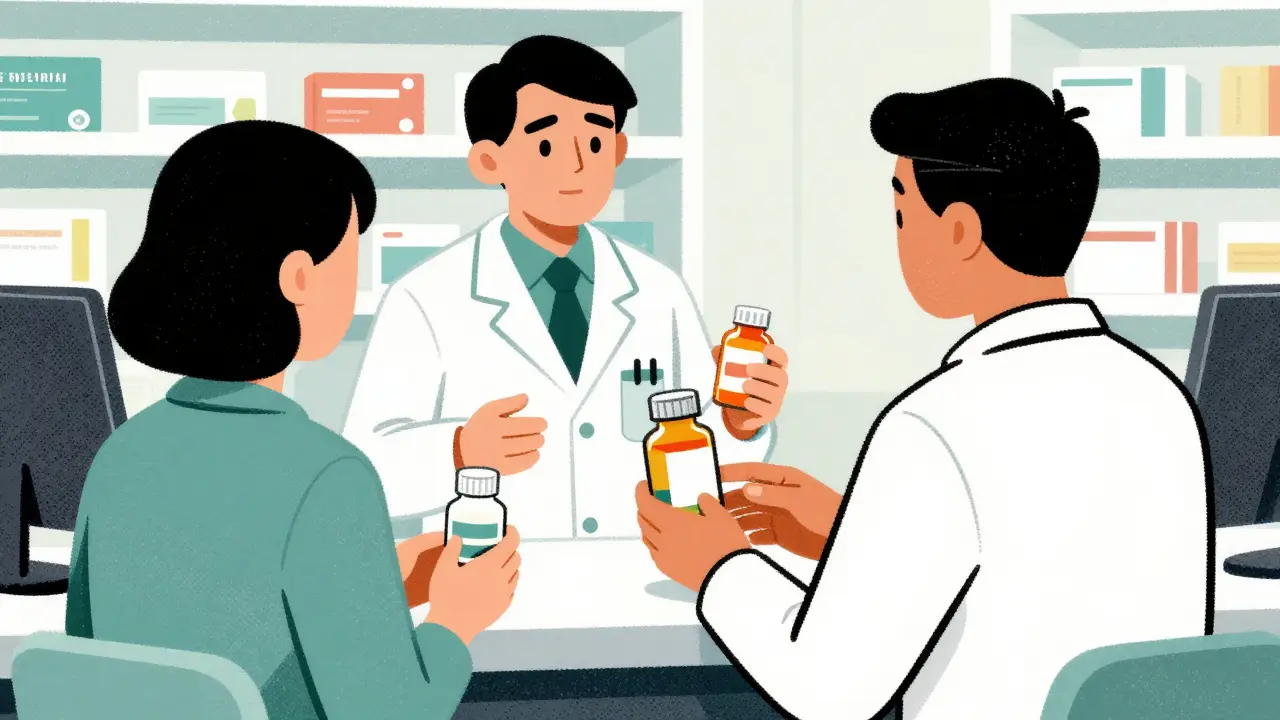
Imagine you’re at the pharmacy counter. The pharmacist hands you a box that looks slightly different from what your doctor prescribed. It’s cheaper-sometimes significantly so-but it carries a different name. Do you take it? For millions of patients, the answer is no. They insist on the original brand, even if it costs more. This isn’t just stubbornness; it’s a deep-seated psychological and behavioral phenomenon known as brand loyalty in medications, which refers to the persistent preference for specific pharmaceutical brands over generic alternatives despite identical active ingredients and equivalent therapeutic efficacy.
This loyalty persists even though regulatory bodies like the FDA mandate that generics must be bioequivalent to their brand-name counterparts. So, why do we cling to the familiar logo when science says the pill inside works the same way? The answer lies not in chemistry, but in psychology, trust, and the complex economics of healthcare.
The Psychology of Trust: Why Familiarity Feels Safer
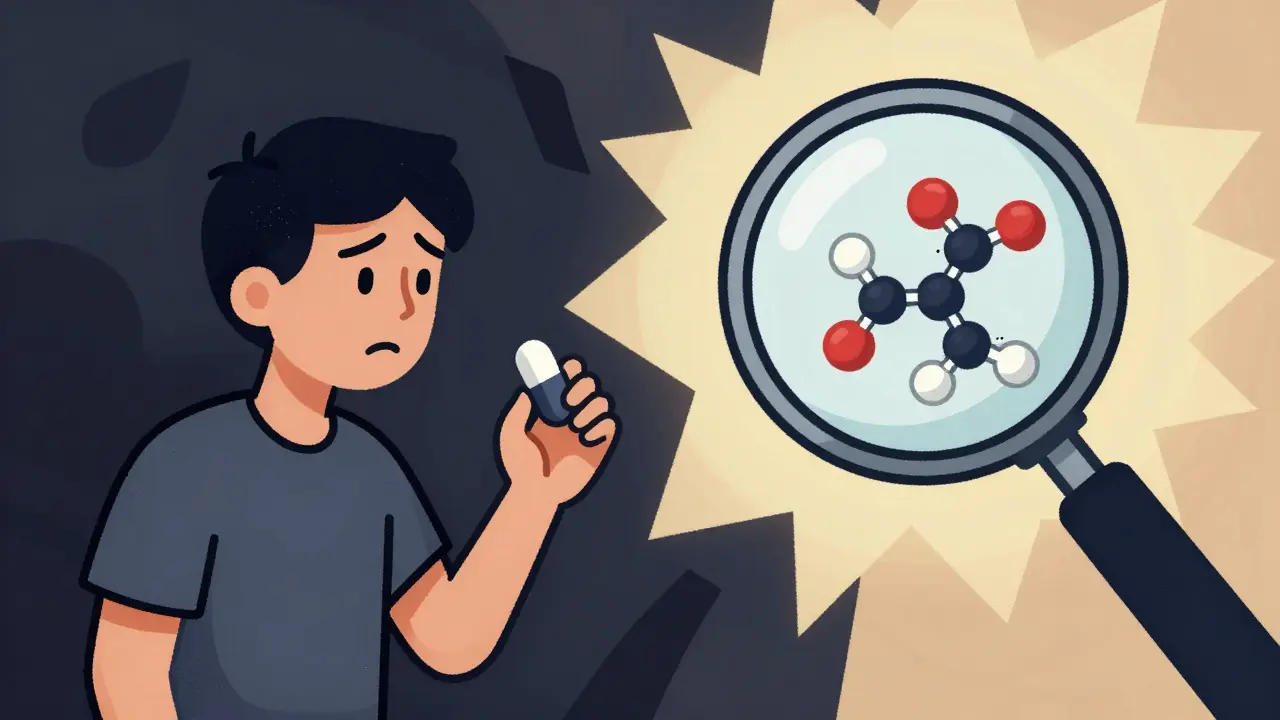
At its core, brand loyalty in medicine is about risk aversion. When you take a medication, especially one for a chronic condition or mental health, the stakes feel high. A small change in how you feel can be terrifying. Brand names offer a sense of continuity. You know exactly what you are getting because you’ve seen that packaging, read those instructions, and experienced that specific effect before.
Research highlights this emotional attachment. A 2023 study published in the Indian Journal of Marketing found a strong positive correlation (r=0.67) between brand experience and loyalty for over-the-counter drugs. But it goes deeper than OTC painkillers. For prescription meds, the fear of the unknown drives behavior. If a patient has been stable on a brand-name antidepressant for years, switching to a generic feels like rolling the dice. Even if the odds of success are high, the potential downside-anxiety, side effects, or reduced efficacy-is too personal to ignore.
This is where the concept of perceived quality assurance comes in. Many patients equate higher price with higher quality. It’s a heuristic we use in many areas of life, from coffee to cars, and it transfers seamlessly to healthcare. If the brand costs $50 and the generic costs $5, the logical assumption for many is that the $50 drug is ‘better,’ ‘purer,’ or ‘more effective.’ While scientifically incorrect for most approved generics, this perception is powerful and difficult to dismantle with logic alone.
The Bioequivalence Myth and the Placebo Effect
Let’s clear up a common misconception. Regulatory agencies like the U.S. Food and Drug Administration (FDA) require generics to demonstrate bioequivalence. This means the generic drug must deliver the same amount of active ingredient into the bloodstream within the same timeframe as the brand name. The standard is strict: the confidence interval for absorption must fall between 80% and 125% of the brand’s performance.
However, patients often report feeling a difference. Why? Two main factors: inactive ingredients and the placebo/nocebo effect.
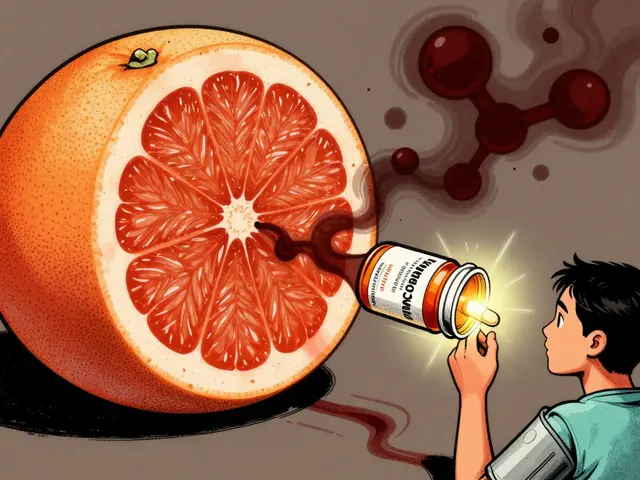
- Inactive Ingredients: While the active drug molecule is the same, the fillers, binders, dyes, and coatings can differ. Some patients have sensitivities to these excipients. A dye that triggers a mild reaction in one person might be fine for another. This creates real, albeit rare, physical differences in tolerance.
- The Nocebo Effect: This is the opposite of the placebo effect. If a patient believes the generic is ‘weaker’ or ‘inferior,’ they may psychologically manifest symptoms of ineffectiveness or increased side effects. A 2022 Consumer Reports survey found that 41% of respondents who switched from brand to generic experienced ‘noticeable differences in effectiveness.’ Yet, clinical data often shows no significant change in therapeutic outcomes. The mind plays a massive role in how we perceive medication efficacy.
Understanding this distinction is crucial. It doesn’t mean patients are ‘imagining’ things, but it does mean that the perceived difference isn’t always pharmacological. It’s often psychological.
Demographics and Data: Who Sticks to Brands?
Not everyone is equally loyal to brands. Research reveals fascinating splits based on age, education, and geography.
| Demographic/Region | Key Statistic | Primary Driver |
|---|---|---|
| Gen Z Consumers | 35% prefer brand-name meds (Fortune, 2022) | Value-driven trust; perception of safety and quality |
| Lower-Educated Consumers | 1.54x higher odds of remaining brand loyal (PMC, 2023) | Price insensitivity due to perceived value gap |
| Japanese Physicians | 57% prefer prescribing brands (GlobalData, 2023) | Regulatory differences in generic approval standards |
| Spanish Consumers | 13% refuse generics entirely (Health Barometer, 2002) | Cultural trust in established originators |
| Psychiatric Patients | Higher brand retention than other categories | Fear of subtle formulation changes affecting mental state |
Notice the generational split. Gen Z, despite being financially constrained, shows a surprising preference for brands. This is described by experts as ‘value-driven brand trust.’ They aren’t just loyal out of habit; they actively seek proof of value. They associate big brands with better research, stricter oversight, and superior support programs.
Conversely, older generations or those with lower education levels often show higher brand loyalty due to a lack of familiarity with the generic approval process. They don’t necessarily distrust generics; they simply don’t understand the rigorous testing involved, making the familiar brand the safer bet in their minds.
The Physician’s Dilemma: Prescribing Under Pressure
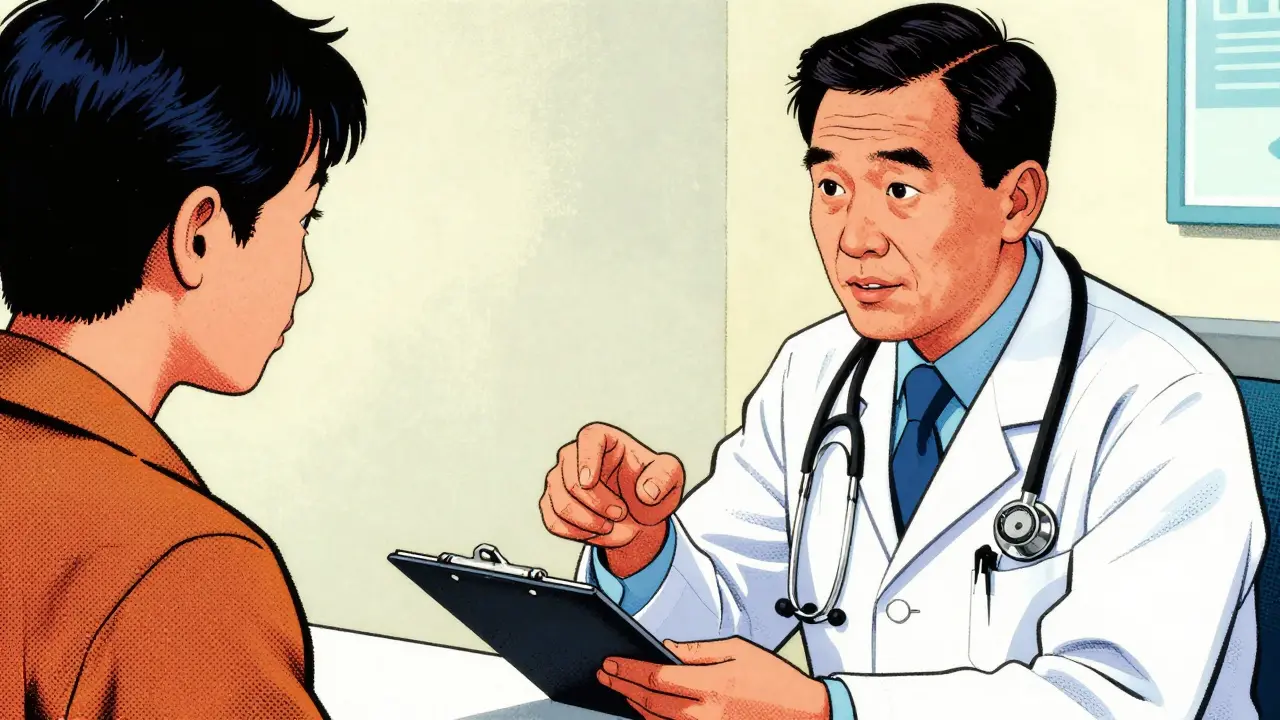
Doctors play a pivotal role in this dynamic. They are the gatekeepers. If a physician writes ‘Dispense as Written’ (DAW) on the prescription, the patient gets the brand. If they leave it open, the pharmacist may substitute a generic.
A 2023 GlobalData survey revealed that 40% of physicians would prescribe branded drugs if cost weren’t a factor. In Japan, that number jumps to 57%. Why? Several reasons:
- Patient Expectations: Doctors know that insisting on a generic can lead to conflict. If a patient insists on the brand, arguing about bioequivalence takes time and energy. Many physicians choose the path of least resistance to maintain the patient relationship.
- Specialty Differences: Family practitioners are much more likely to prescribe generics (2.3 times higher rates than psychiatrists, according to JAMA Internal Medicine, 2021). Psychiatrists, dealing with nuanced mental health conditions, often hesitate to switch patients due to the sensitivity of psychiatric medications.
- Regulatory Variance: In some countries, the approval standards for generics are perceived as less stringent than in the U.S. This leads physicians in regions like Japan or parts of Europe to stick with originator brands out of caution.
Furthermore, insurance structures influence this. In the U.S., while generics account for 90% of prescriptions by volume, brand-name drugs capture 78% of pharmaceutical revenue (IQVIA, 2022). This disparity exists because insurers and employers increasingly use tiered formularies. They make generics cheap and brands expensive. However, for patients with special insurance coverage or chronic diseases, physicians still tend to prescribe originals over 70% of the time, prioritizing perceived stability over cost savings.
Economic Realities: The Cost of Loyalty
The financial impact of brand loyalty is staggering. Brand-name drugs average 79% higher prices than generics without providing additional therapeutic benefit. For an individual, this might mean hundreds of dollars saved annually. For the healthcare system, it’s billions.
Consider the market landscape. The global generic pharmaceutical market was valued at $408.4 billion in 2022 and is projected to reach $720.3 billion by 2028. Yet, major brand-name companies like Pfizer, Johnson & Johnson, and AbbVie continue to dominate spending. In 2022, these three companies alone captured 18.7% of total U.S. prescription drug spending.
This economic pressure is driving policy changes. The FDA’s Generic Drug User Fee Amendments (GDUFA III, 2023-2027) aim to accelerate generic approvals. Commissioner Robert Califf stated in June 2023 that ‘increasing generic competition remains our top priority to combat brand loyalty pricing.’ Additionally, 68% of large employers now implement tiered copays, charging patients significantly more for brands when generics are available. These measures force a conversation about value versus cost.
Navigating the Switch: Practical Advice for Patients
If you’re facing a choice between a brand and a generic, here’s how to navigate it intelligently:
- Ask Your Pharmacist: Pharmacists are trained to explain bioequivalence. A 2022 American Pharmacists Association study showed that 67% of patients accept generics after receiving a detailed explanation. Don’t be afraid to ask, ‘Is this generic therapeutically equivalent?’ Look for an ‘A-rating’ in the FDA Orange Book, which confirms equivalence.
- Monitor Your Body: If you switch, pay attention to how you feel for the first few weeks. Keep a simple log. Are your symptoms controlled? Are there new side effects? Most people notice no difference. If you do notice a change, document it and talk to your doctor.
- Check for Sensitivities: If you have known allergies to dyes or fillers, check the inactive ingredients list on both the brand and generic. This is the most common legitimate reason for preferring a specific manufacturer.
- Consider the Category: For ‘commodity’ meds like antibiotics or antihistamines, generics are almost always a safe and smart choice. For narrow-therapeutic-index drugs (like certain anti-seizure or blood-thinning medications), consult your specialist. Some doctors prefer sticking with one manufacturer (brand or generic) to avoid fluctuations, even if switching manufacturers is technically allowed.
Remember, brand loyalty is often emotional, not rational. By understanding the science behind bioequivalence and the psychology behind your preferences, you can make a decision that balances your peace of mind with your financial well-being.
Are generic drugs really just as effective as brand-name drugs?
Yes, for the vast majority of medications. Regulatory agencies like the FDA require generics to prove bioequivalence, meaning they deliver the same active ingredient into your bloodstream at the same rate as the brand name. Clinical studies consistently show no significant difference in therapeutic outcomes for most conditions.
Why do some patients feel worse when switching to generics?
This can happen for two main reasons. First, inactive ingredients (fillers, dyes) may differ, potentially causing sensitivities or allergic reactions in some individuals. Second, the 'nocebo effect' plays a role: if a patient expects the generic to be weaker, they may psychologically perceive reduced effectiveness or increased side effects, even if the drug is working correctly.
Should I always choose the generic to save money?
In most cases, yes. Generics offer the same therapeutic benefit at a fraction of the cost. However, exceptions exist for narrow-therapeutic-index drugs (like certain seizure or thyroid medications) where tiny variations in absorption can matter. Always consult your doctor or pharmacist for these specific cases. For common conditions like high blood pressure or infections, generics are a safe and economical choice.
Do doctors prefer prescribing brand-name drugs?
It varies by specialty and region. About 40% of physicians globally would prescribe brands if cost weren't a factor. Psychiatrists and specialists dealing with chronic conditions are more likely to stick with brands due to patient anxiety and the complexity of treatment. Family practitioners are much more likely to prescribe generics. Cultural and regulatory differences also play a role, with higher brand preference seen in Japan and parts of Europe.
What is the 'nocebo effect' in medication?
The nocebo effect is the negative counterpart to the placebo effect. It occurs when a patient's negative expectations about a treatment lead to actual negative symptoms or reduced efficacy. In the context of generics, if a patient believes the cheaper drug is inferior, they may report feeling worse or experiencing side effects, even though the chemical composition is therapeutically equivalent to the brand name.