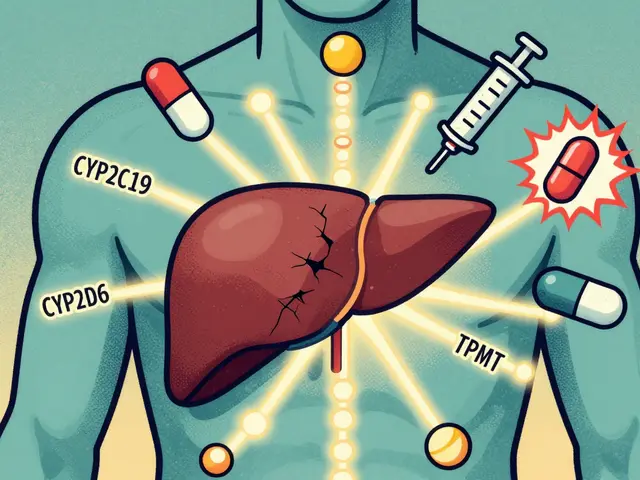
Let’s say you’re on two medications: one for high blood pressure, another for diabetes. Your doctor prescribes them as a single pill-a combo drug. It sounds convenient. But here’s the truth: combo generics might be costing you-and the healthcare system-far more than they should.
Why Combo Pills Cost More Than You Think
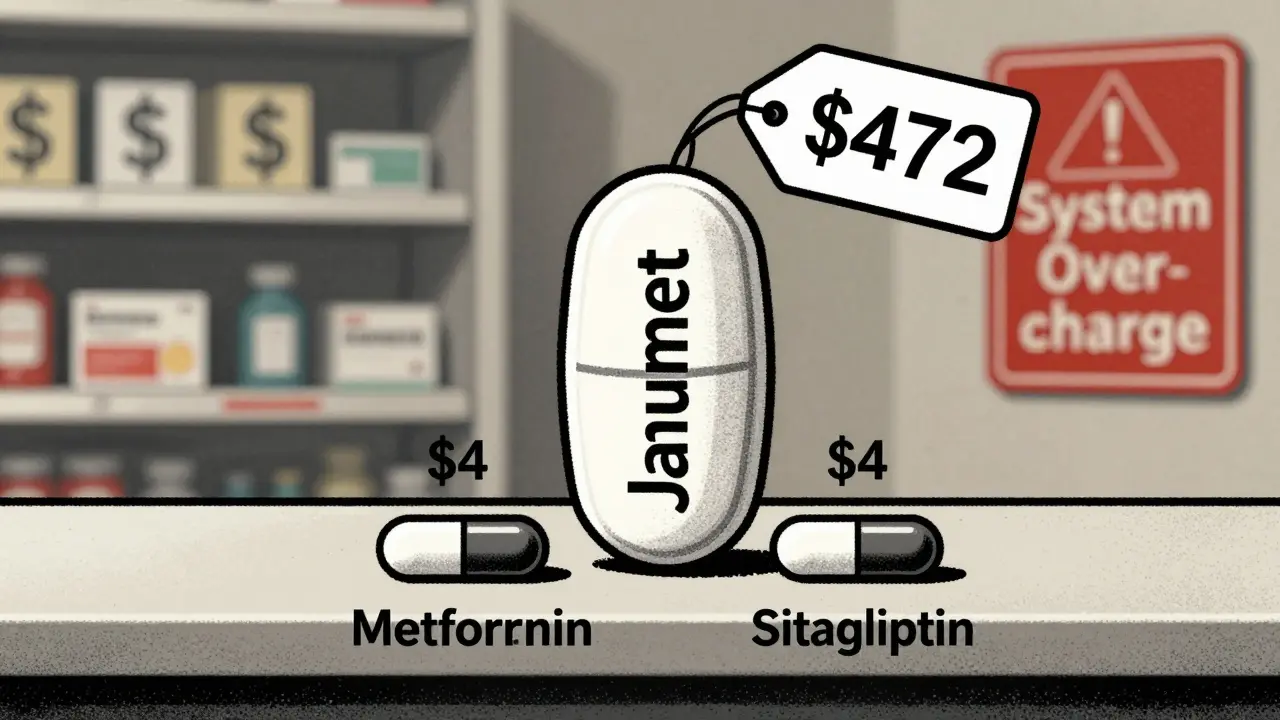
Fixed-dose combination (FDC) drugs bundle two or more active ingredients into one pill. They’re marketed as easier to take, better for adherence, and more efficient. But when you look at the actual prices, the story changes. In 2016 alone, Medicare Part D spent $925 million more on 29 brand-name combo drugs than it would have if patients had taken the same ingredients as separate generic pills. That’s not a small mistake. That’s a systemic overcharge. Take Janumet, a combo for type 2 diabetes. It contains sitagliptin and metformin. Metformin? A generic. At Walmart’s $4 program, a 30-day supply costs $4. Janumet? Around $472 for the same period. That’s over 100 times more. And Janumet isn’t an outlier. For Kazano (alogliptin/metformin), the combo costs $425 a month. Generic metformin alone? Less than $10. The math doesn’t lie.The ‘1+1=1.6’ Rule
It’s not just about generics. Even when you compare combo drugs to their branded single-component versions, the pricing doesn’t add up. IQVIA’s 2022 analysis found that branded combo drugs typically cost 60% of what you’d pay if you bought the two separate branded pills. That sounds like a discount-until you realize that the same ingredients as generics cost a fraction of that. Think of it like this: if two branded pills cost $100 together, the combo might cost $60. Sounds good. But if each of those branded pills had a generic version that costs $5 each, then the combo should cost around $10. Instead, it still costs $60. That’s not a discount. It’s a markup. This gap exists because drugmakers exploit loopholes. When one ingredient in a combo is still under patent and the other is generic, the manufacturer can keep the combo price high. Nexlizet, a cholesterol drug, combines ezetimibe (generic) with bempedoic acid (patented). Even though ezetimibe costs pennies, Nexlizet still sells for $12 a day in the U.S. Why? Because the system lets them.Who Pays the Difference?
You might think, “I don’t pay full price-I have insurance.” But here’s the catch: your insurance plan pays more. And that cost gets passed down. Higher premiums. Higher deductibles. Higher co-pays. Even if you’re not directly paying $472 for Janumet, you’re still footing part of the bill. Medicare Part D spent 8.3% of its total drug budget on combo drugs in 2021-but those drugs made up only 2.1% of all prescriptions. That means a tiny fraction of prescriptions were driving nearly one-tenth of the spending. The Congressional Budget Office estimates that over the next decade, Medicare will spend an extra $14.3 billion on these combos compared to what they’d pay if patients used separate generics. It’s not just Medicare. Private insurers, Medicaid, and even pharmacy benefit managers (PBMs) are caught in the same trap. They’re forced to cover expensive combos because doctors prescribe them, patients expect them, and the system doesn’t push alternatives.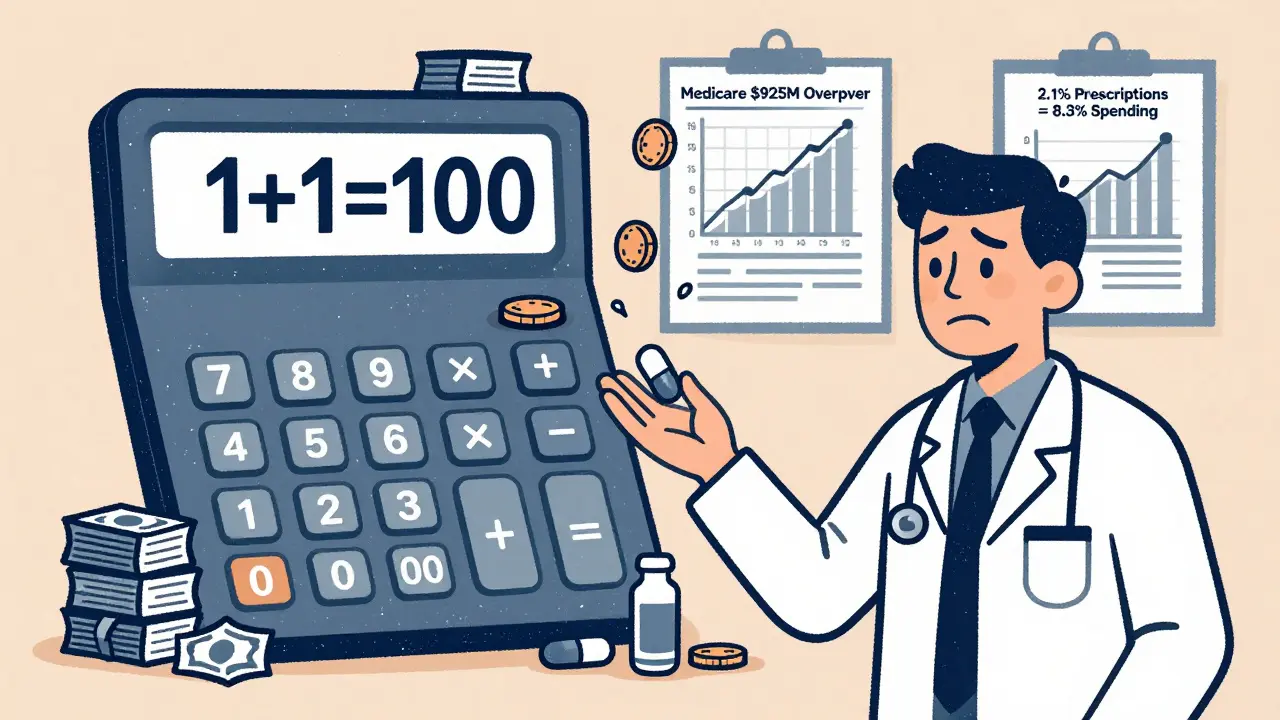
Why Do Doctors Prescribe Them?
You might wonder: if the cost difference is this huge, why aren’t doctors prescribing separate generics? Partly because combo pills seem simpler. One pill instead of two. Fewer pills to forget. Studies show adherence improves by 15-20% with combos-especially for conditions like hypertension or diabetes, where taking multiple pills daily is common. The American College of Cardiology says combos can boost adherence by up to 25% in patients with multiple health issues. That matters. Missed doses lead to hospitalizations, which cost far more than the drugs themselves. But here’s the flip side: many patients don’t need combos. If you’re stable on two generics, why switch? The convenience doesn’t justify the cost. And in many cases, the combo isn’t even the best option. Some combos use outdated doses or combinations that aren’t optimized for individual needs. A patient might need 500 mg of metformin and 50 mg of sitagliptin-but the combo only comes in 1000 mg/50 mg. Now they’re taking more than they need.What’s Being Done?
Change is coming-slowly. The Inflation Reduction Act of 2022 lets Medicare negotiate prices for high-cost drugs, including some combos. The FDA is also speeding up generic approvals through its GDUFA III program. More generics mean more pressure on combo prices. Some insurers are pushing back. About 62% of Medicare Part D plans now require prior authorization before covering expensive combos. Pharmacy benefit managers are creating “carve-outs”-they exclude certain combos from standard formularies unless there’s a clinical reason. University of Michigan Health System found that by switching patients from combos to separate generics, they saved $1,200 per patient per year. Novartis even launched an “Entresto Access Program” in 2023, offering the combo at a $10 co-pay for Medicare patients. That’s helpful-but still $6 above the cost of generic valsartan alone. It’s a band-aid, not a fix.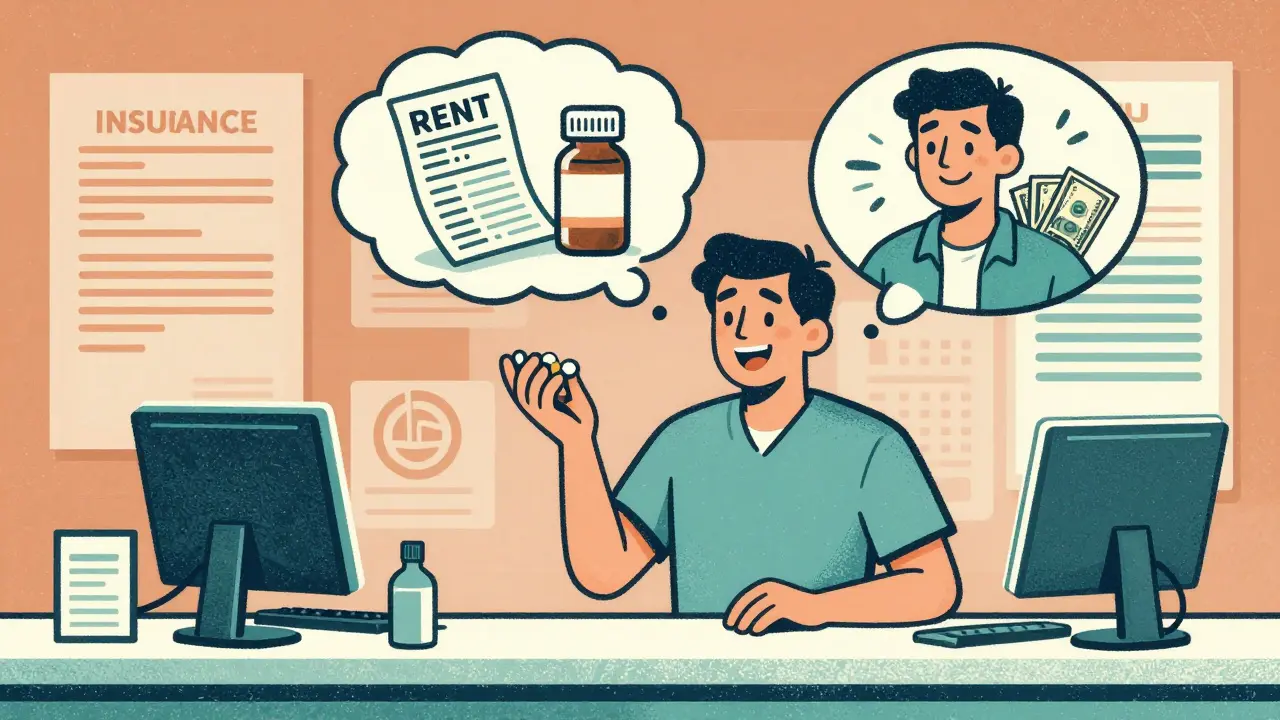
What You Can Do
If you’re on a combo drug, ask your doctor or pharmacist:- Are the ingredients available as separate generics?
- What’s the cost difference?
- Can I take them as two pills instead of one?
- Will splitting them affect how they work?
The Bigger Picture
This isn’t just about saving money. It’s about fairness. Drugmakers aren’t breaking any laws. They’re following the rules of a broken system. The system rewards innovation but doesn’t penalize exploiting old generics to keep prices high. That’s not innovation. It’s arbitrage. The goal should be simple: if two generic pills work, and they’re safe together, then the combo shouldn’t cost more than the sum of those two pills. Anything else is a tax on patients who need help the most. In Hamilton, I’ve seen patients choose between paying for their meds or their rent. I’ve seen people skip doses because the combo pill costs $300 a month, and the generic version would’ve been $15. It’s not a medical issue. It’s a pricing crisis.Final Thought
Combination drugs aren’t bad. They can be helpful. But when the same ingredients are available as cheap generics, paying five, ten, or even a hundred times more for convenience is unsustainable. The system needs to catch up. And until it does, patients need to ask the question: Is this combo really worth it?Are combo generics always cheaper than branded combo drugs?
Yes, if the individual components are available as generics. A branded combo drug with generic ingredients typically costs 10-15 times more than buying those same ingredients separately. For example, Janumet (sitagliptin/metformin) costs around $472 per month, while generic metformin alone costs $4 and sitagliptin generics are under $50. The combo price doesn’t reflect the cost of the ingredients-it reflects the brand’s pricing power.
Can I ask my doctor to switch from a combo drug to separate generics?
Absolutely. Many patients are switched without being told the cost difference. If your combo contains two generic ingredients, ask if you can take them as separate pills. Most of the time, it’s safe and effective. Your pharmacist can check for drug interactions and dosing compatibility. Many patients find it easier to manage two pills than one expensive one.
Why don’t insurance plans cover only the generic versions?
Insurance plans often cover combos because they’re prescribed more frequently, and switching requires effort from doctors and pharmacists. But many plans now require prior authorization for high-cost combos or use “preferred generic” policies that incentivize prescribing separate generics. Some even have “carve-outs” that exclude certain combos unless there’s a medical reason.
Do combo drugs really improve adherence?
Yes, for some patients. Studies show that taking one pill instead of two can improve adherence by 15-25%, especially for chronic conditions like high blood pressure or diabetes. But this benefit doesn’t justify paying 100 times more when generics are available. The goal should be to make generics affordable and easy to use-so patients don’t have to choose between convenience and cost.
Is it safe to split a combo drug into separate generics?
In most cases, yes. If the combo contains two FDA-approved generics with known dosing and interaction profiles, splitting them is safe. The key is matching the total daily dose. For example, if your combo is 100 mg/500 mg, and you can get 50 mg and 500 mg generics separately, you can take one of each twice daily. Always check with your pharmacist or doctor before switching.
What if one ingredient in the combo is still under patent?
That’s when the cost difference gets tricky. If one ingredient is still brand-name (like bempedoic acid in Nexlizet), then the combo will be expensive-even if the other ingredient is generic. In those cases, the combo might be the only option. But even then, ask if there’s a therapeutically equivalent alternative. Sometimes, another combo or a different drug class can work just as well at a lower cost.
Are there any programs to help lower the cost of combo drugs?
Yes. Some manufacturers offer patient assistance programs. Novartis, for example, offers a $10 co-pay for Entresto to eligible Medicare patients. Pharmacies like Walmart and Costco also offer generic versions of many combo components for $4-$10. Always ask your pharmacist about cash prices, discount cards, and manufacturer coupons-even if you have insurance.