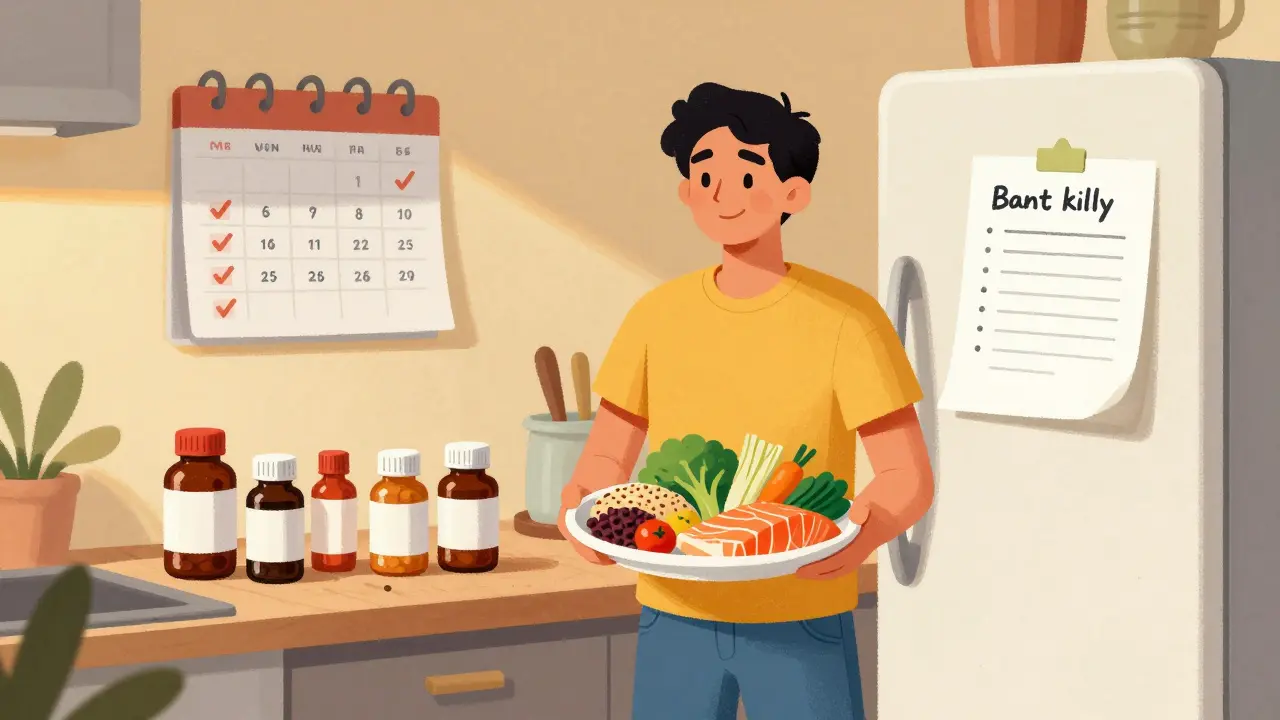
After a heart attack, your life doesn’t stop - it changes. And that change isn’t about giving up everything you love. It’s about rebuilding in a way that keeps your heart strong for years to come. Many people think recovery means sitting still, avoiding movement, and living in fear. But the truth? The best way to protect your heart is to move, eat well, take your meds, and stay connected to your care team. Recovery isn’t a race. It’s a rhythm.
Medications: Your Daily Shield
You won’t leave the hospital without a handful of new pills. That’s normal. These aren’t optional. They’re your daily shield against another heart attack. Your healthcare team starts them right after the event because they’ve been proven to save lives. Some common ones include beta-blockers to slow your heart rate, ACE inhibitors to lower blood pressure, statins to reduce cholesterol, and aspirin to prevent clots. You might also get a medication for irregular heart rhythms or to manage fluid buildup if your heart is weaker.
Don’t guess what each pill does. Ask your pharmacist. Ask your doctor. Write it down. Keep a list - in your wallet, on your phone, taped to the fridge. The NHS recommends carrying this list everywhere because emergencies don’t wait for you to remember. If you forget a dose, don’t double up. Call your pharmacist. In Australia, the free Medicines Line (1300 633 424) can help explain what each medicine is for and what to do if you miss one.
Side effects happen. A dry cough from an ACE inhibitor. Dizziness from a beta-blocker. Fatigue. These don’t mean you should stop. They mean you need to talk to your care team. They can adjust the dose or switch you to another medicine. Skipping meds because you feel fine is like turning off your smoke alarm because the kitchen isn’t on fire. The damage is already done. These drugs are working behind the scenes.
Diet: What You Eat Is Your Long-Term Strategy
Forget fad diets. You don’t need to become a vegan or cut out carbs completely. You need a heart-healthy pattern that’s real, sustainable, and fits your life. The Cleveland Clinic says it plainly: eating right lowers your risk of another heart attack. So does quitting smoking. So does moving more. But food is something you control every single day.
Focus on whole foods. Vegetables, fruits, beans, lentils, oats, brown rice, nuts, seeds, fish - especially fatty fish like salmon or sardines twice a week. These are packed with fiber, omega-3s, and antioxidants that help your arteries stay clear. Replace butter with olive oil. Swap sugary drinks for water or unsweetened tea. Limit salt. Most people eat way more than the recommended 5 grams per day. That’s about one teaspoon. Try cooking without salt and using herbs instead. Read labels. Hidden sodium is in bread, canned soups, sauces, and even breakfast cereals.
Cardiac rehab programs include sessions with dietitians who don’t just hand you a list. They work with you. They ask what you usually eat. What do you like? What’s hard to change? They adjust for cultural foods, budget, and family meals. If you’re used to eating fried chicken every Sunday, they won’t tell you to never have it again. They’ll help you make it grilled instead. Or smaller portions. Or once a month instead of once a week.
It’s not about perfection. It’s about progress. One change at a time. Maybe this week you swap white bread for whole grain. Next week, you add a serving of veggies to dinner. That’s how habits stick.
Activity: Move - But Wisely
You’re tired. That’s normal. Your heart muscle was injured. It needs time to heal. The first week home, rest. Walk to the bathroom. Sit in a chair. Go up and down one flight of stairs. That’s enough. Don’t push. Don’t compare yourself to how you were before.
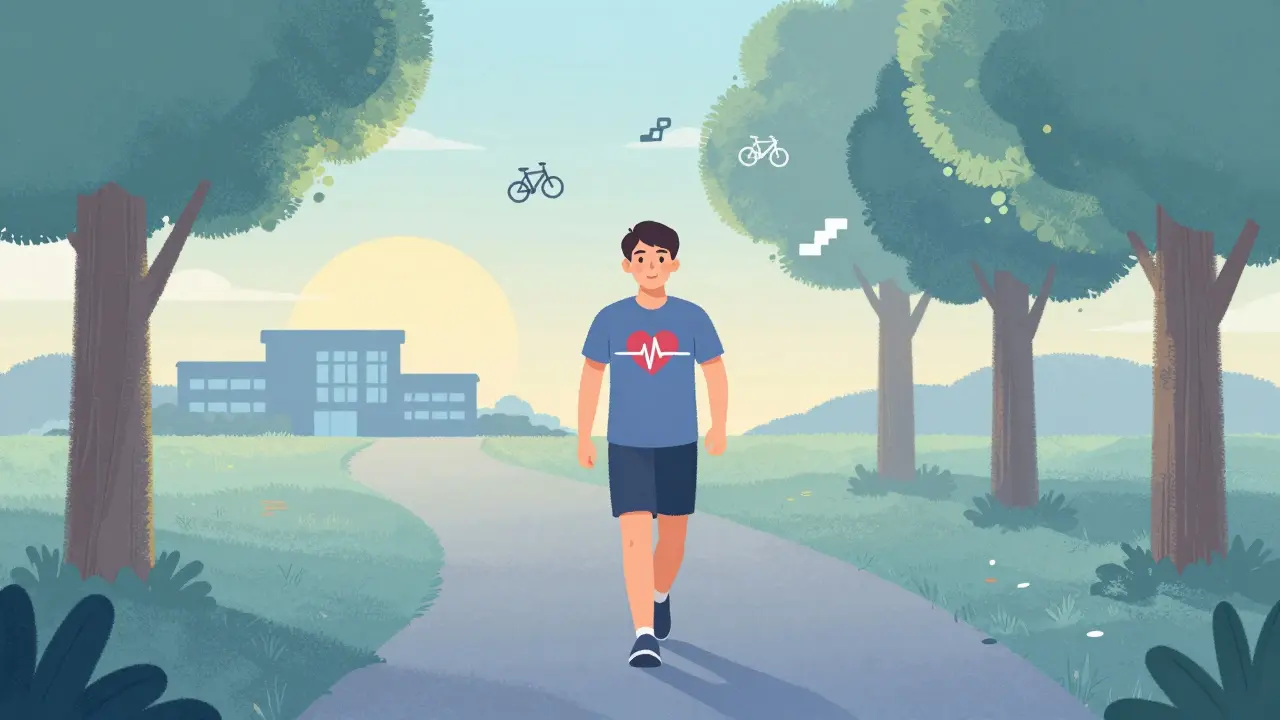
But don’t stay still either. Movement is medicine. The NHS says light activity each day helps your heart get stronger, improves circulation, and lowers blood pressure. Aerobic exercise - the kind that makes you breathe harder but still talk - is key. Walking, cycling on a stationary bike, swimming, even gentle dancing. Start with five minutes. Add two minutes every few days. Build up to 30 minutes most days of the week. You don’t need a gym. A park, a hallway, a treadmill at home - it all counts.
Cardiac rehabilitation is the safest way to start. These programs are medically supervised. Trained staff monitor your heart rate, blood pressure, and how you feel as you exercise. They give you a plan made just for you - based on your age, fitness, and heart function. Most people attend three times a week for 8 to 12 weeks. But even if you can’t get to a program, start walking. Talk to your doctor first. Then go slow. Listen to your body. Stop if you feel chest pain, dizziness, extreme shortness of breath, or nausea.
It’s okay to feel anxious about being active. You might worry your heart will stop again. That fear is real. But the risk of staying inactive is higher. Your muscles weaken. Your blood pressure rises. Your mood drops. Cardiac rehab isn’t just about exercise. It’s about learning how to move safely, regain confidence, and rebuild your life.
Recovery Isn’t Just Physical - It’s Emotional Too
Surviving a heart attack changes how you see yourself. You might feel scared, angry, or sad. You might not want to talk about it. That’s okay. But ignoring those feelings doesn’t make them go away. The NHS includes psychological support in every cardiac rehab program because anxiety and low mood are common. And they slow recovery.
It’s normal to feel overwhelmed. You’re managing meds, changing your diet, learning to move again, and dealing with fear. Talk to someone. Your doctor. A counselor. A support group. The Heart Foundation Australia says emotional support is part of recovery - not a bonus. If you’re struggling to sleep, losing interest in things you used to enjoy, or feeling hopeless, ask for help. There’s no shame in needing it.
Follow-Up: Don’t Disappear After You Leave the Hospital
You’ll have a check-up four to six weeks after leaving the hospital. Use it. Bring your meds list. Write down your questions. Did you have any chest tightness? Any new swelling? Any trouble with your meds? Did you start walking? What’s been hard? Don’t wait until something goes wrong to speak up.
The American Heart Association says ongoing care after discharge improves long-term outcomes. That means regular visits - not just one. Your doctor will check your blood pressure, cholesterol, and how your heart is functioning. They might order another test, like a stress test or echocardiogram, to see how well your heart is healing.
And if you haven’t been referred to cardiac rehab yet - ask. It’s not a luxury. It’s standard care. If your hospital didn’t offer it, ask your GP. Many community centers, clinics, and even some pharmacies now offer home-based or virtual rehab options.
Long-Term: This Is Your New Normal
Recovery takes months. Some people feel like themselves in six weeks. Others need six months. That’s fine. There’s no timeline that fits everyone. What matters is consistency. Taking your pills. Eating well. Moving daily. Going to appointments. Managing stress. Not quitting when it gets hard.
The goal isn’t to go back to who you were before. It’s to become someone who knows how to care for their heart - and who won’t let fear stop them from living.
How long does it take to recover from a heart attack?
Recovery varies by person. Most people take between two weeks and three months to heal enough to return to normal activities. The NHS says it’s very important not to rush. Your heart needs time. Some people feel ready sooner; others need more. Your care team will guide you based on your heart’s condition and overall health.
Can I drive after a heart attack?
Usually, you can drive again after one week if you didn’t have complications like an arrhythmia or need for a stent. But if you had a more serious event, your doctor may ask you to wait up to four weeks. Always check with your doctor and follow local regulations - rules vary by country and type of license.
Is it safe to have sex after a heart attack?
Yes, for most people. Sex is a form of physical activity, similar to walking up stairs. If you can walk 10 minutes without chest pain or dizziness, you’re likely ready. Talk to your doctor if you’re unsure. If you take nitrates for chest pain, never use erectile dysfunction drugs like Viagra - they can cause dangerous drops in blood pressure when mixed.
What should I do if I feel chest pain after going home?
Don’t ignore it. If you feel chest discomfort that lasts more than 10 minutes, is new or worse than before, or comes with sweating, nausea, or shortness of breath - call emergency services immediately. This could be another heart attack or unstable angina. Don’t wait to see if it goes away. Time saves muscle. Time saves lives.
Do I need to take these meds forever?
For most people, yes. These medications don’t cure heart disease - they manage it. Stopping them increases your risk of another heart attack, stroke, or heart failure. Even if you feel fine, the drugs are still working. Talk to your doctor before making any changes. Never stop a statin, aspirin, or beta-blocker without medical advice.
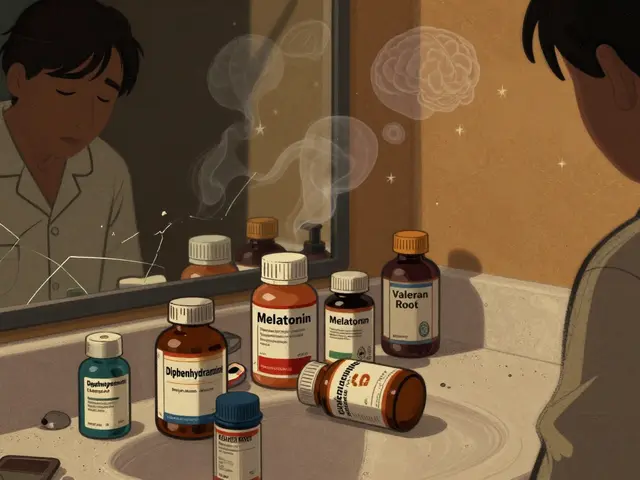
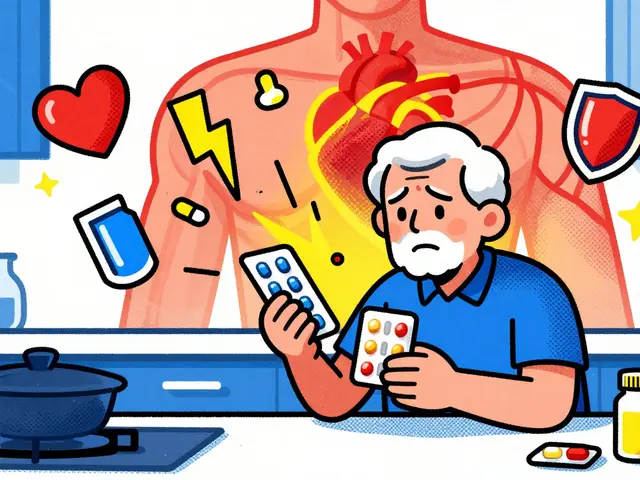
After my heart attack, I was scared to move. But my doc said walking around the block was better than sitting on the couch. I started with 5 minutes a day. Now I walk 30 minutes, 5 days a week. No gym needed. Just shoes and a sidewalk. It changed everything.
Medications? I kept a sticky note on my fridge. Pills in a box with days of the week. Easy. No more guessing.
You don’t have to be perfect. Just consistent.
So let me get this straight. You’re telling me I can’t have my Sunday fried chicken anymore? What’s next, no more coffee? I’m supposed to eat kale and cry into my quinoa? This isn’t recovery, it’s a cult. And who decided heart health is a moral obligation? I’m not a robot. I’m a person who likes food.
Also, why are we all just assuming everyone has access to cardiac rehab? Try living in a rural area with no public transport. Good luck getting to a program three times a week.
Oh wow, another feel-good guide on how to live after nearly dying. So uplifting. Let me guess-next you’ll tell us to meditate while sipping matcha and hugging a golden retriever.
But seriously, the diet advice? ‘Swap butter for olive oil’-sure, if you live in a Whole Foods parking lot. What about people who can’t afford organic? Who have to feed 5 kids on a food stamp budget? ‘Eat more fish’? Try telling that to someone whose local grocery store doesn’t carry frozen salmon.
Cardiac rehab sounds great… until you realize it’s only offered in zip codes with more yoga studios than gas stations. This isn’t advice. It’s privilege wrapped in a pamphlet.
Take your meds. Move daily. Eat real food. Don’t ignore your emotions. That’s it.
Everything else is noise.
Doctors don’t need to overcomplicate this. Patients don’t need a 10-page guide. Just the basics. And the discipline to stick with them.
Simple works.
Man I feel you on the med thing. Statins made me feel like a zombie for like two weeks. Took me a month to figure out it was the dosage. My doc switched me to ezetimibe and boom-no more brain fog. Don’t just accept side effects. Push for alternatives. There’s a whole arsenal out there.
And yeah, rehab is gold. But if you can’t get to one, just walk. Even if it’s just around your apartment. I did that for six weeks after my MI. Got a smartwatch, set hourly reminders to stand up. Small wins add up.
Also, sex after a heart attack? Totally fine. Just don’t do it right after a big meal. Or with someone who’s 20 years younger and thinks you’re ‘recovering’ so you’re ‘cute’ now. That’s a whole other issue.
I made it. Two years post-MI. Still taking my meds. Still walking. Still eating veggies. Still scared sometimes. But alive.
You can do this.
One step. One meal. One pill. At a time.
Let’s be real-this whole ‘recovery is a rhythm’ nonsense is just corporate wellness propaganda. Who wrote this? A pharmaceutical rep? A hospital marketing team? ‘Take your meds’? Yeah, because we all have unlimited access to $500-a-month prescriptions.
And ‘eat more fish’? Cool. I’ll just catch a salmon while I’m waiting in line at the food bank.
Also, why is no one talking about how the stress of being sick, broke, and confused is literally killing people faster than the heart attack? You can’t ‘rebuild your life’ when you’re working two jobs and your insurance dropped your cardiac rehab coverage last year.
This isn’t advice. It’s a fantasy.
I lost my brother to a second heart attack. He stopped his meds because he ‘felt fine.’ He thought he was healed. He wasn’t.
Don’t be like him.
Don’t think you’re invincible.
Don’t wait until it’s too late.
I’m not mad. I’m just saying it like it is.
Take your pills.
Move.
Live.
Or you’ll end up like him.
And I don’t want that for you.
The most profound insight in this entire piece isn’t about statins or walking-it’s the quiet acknowledgment that recovery is not a return to who you were, but the emergence of who you are becoming. There is a dignity in adaptation. A quiet courage in choosing, each morning, to take the pill, to walk the distance, to speak your fear aloud.
We are not broken. We are being remade.
And in that remaking, we often discover a depth of resilience we never knew we carried.
It is not about control. It is about surrender-to the process, to the limits, to the grace of small, daily acts of self-care.
This is not a regimen. It is a ritual.
And rituals, when practiced with presence, heal more than medicine ever could.
It is of paramount importance to recognize that the therapeutic efficacy of pharmacological intervention in post-myocardial infarction care is empirically substantiated by a robust body of clinical literature. Furthermore, the integration of structured physical rehabilitation protocols significantly mitigates long-term morbidity and enhances functional capacity.
It is therefore recommended that all individuals adhere to evidence-based guidelines, including but not limited to: daily administration of evidence-based cardiovascular medications, participation in supervised exercise programs, and consistent dietary modifications aligned with the Mediterranean dietary pattern.
Compliance, not intensity, is the cornerstone of sustainable recovery.
Respect the process.
I’m not gonna lie-I read this whole thing twice. I’m 54, had a heart attack last year, and I still get overwhelmed. I didn’t know about the Medicines Line in Australia. I didn’t know they help with missed doses. I didn’t know you could get home-based rehab. I thought I was just supposed to ‘figure it out.’
My husband thinks I’m overreacting. He says, ‘You’re alive, stop worrying.’ But it’s not about being alive. It’s about living without dread.
They said I could have sex. I didn’t ask. I didn’t know. I was too scared to even hold hands.
Now I walk 15 minutes every morning. I started with one minute. I cried the first time I made it to five. I still cry sometimes. But I’m still here.
And I’m learning. Slowly. Painfully. One step.
This post? It helped. Not because it was perfect. But because it didn’t pretend I was okay when I wasn’t.
Who controls the heart attack narrative? Hospitals? Pharma? The government? Why are they pushing meds and rehab like it’s a miracle cure? What if the real cause is pollution? Or 5G? Or the chemtrails? I’ve read studies-real ones-on YouTube. Heart attacks are rising because of EMF radiation from smart meters. And they’re hiding it.
My cousin took statins for six months. Then he had a stroke. Coincidence? I think not.
And why is everyone talking about diet? Did you know the USDA gets funding from Big Beef? They want you to eat more meat. They don’t want you to know the truth.
Don’t trust the system. Trust yourself. And if you feel weird after taking your pills? Stop. Go to the woods. Breathe. Listen to the earth. It knows what’s real.
Just saw someone mention the Australian Medicines Line. That’s actually a great resource. I didn’t know it existed until my dad used it after his bypass. Free, no wait time, pharmacists answer. You can call even if you’re not in Australia-it’s for anyone with questions. Saved him from a bad interaction with his GP.
And yeah, I get it-some of this advice sounds privileged. But even if you can’t afford salmon, you can still eat beans and oats. Even if you can’t get to rehab, you can still walk. Even if you can’t afford all your meds, ask about patient assistance programs. They exist.
It’s not perfect. But it’s not nothing.