It is easy to assume that staying safe from an overdose is just about knowing your dose. But when the temperature climbs above 24 degrees Celsius (75°F), the rules change completely. Heat doesn't just make you uncomfortable; it fundamentally alters how your body processes substances. For people who use drugs, especially stimulants like cocaine or opioids, a hot day can turn a usual amount into a dangerous one. This isn't theoretical. Research from Columbia University analyzing New York City data showed that accidental overdose deaths spike significantly when temperatures exceed this critical threshold. If you are navigating drug use during a heatwave or while battling an illness, understanding these physiological shifts is the difference between surviving and ending up in the emergency room.
The core problem is simple but deadly: heat stress compounds the strain drugs put on your body. Your heart rate naturally increases by 10-25 beats per minute just to cope with the ambient heat. If you add a stimulant, which already pushes cardiovascular strain up by 30-50%, you are asking your heart to do double duty. At the same time, dehydration concentrates drugs in your bloodstream. Losing just 2% of your body weight in fluid can increase blood concentration of a substance by 15-20%. That means the dose you took might effectively hit your system harder than intended, without you ever realizing it.
Why Heat Changes Drug Metabolism
To manage risk, you need to understand what is happening inside your body. The thermoregulatory system, which keeps your internal temperature stable, is compromised by many substances. When your body is busy trying to cool itself down through sweating and vasodilation, it has fewer resources to metabolize drugs efficiently. For opioids, heat exposure reduces respiratory compensation mechanisms by 12-18%. This narrows the margin between feeling the desired effect and experiencing life-threatening respiratory depression.
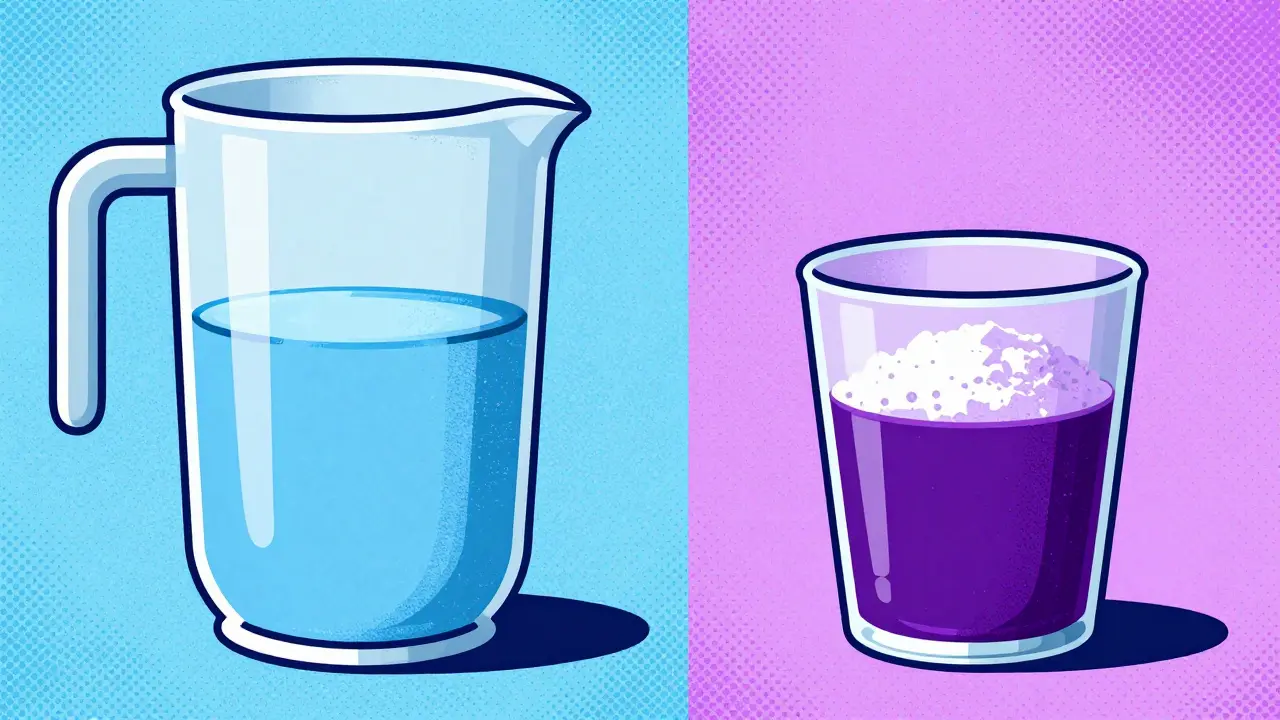
Dehydration plays a massive role here. When you are dehydrated, your blood volume decreases. Imagine putting the same amount of salt into a smaller glass of water versus a large pitcher-the smaller glass tastes much stronger. Similarly, with less fluid in your vascular system, drugs become more potent. The New York State Association of County Health Officials warns explicitly that extreme heat intensifies drug effects because the body cannot regulate its chemistry as effectively. If you are also ill, particularly with a fever or gastrointestinal issues, this dehydration accelerates rapidly, making standard doses unpredictable.
The Danger of Stimulants and Cardiovascular Strain
If you use stimulants, the risk profile during a heatwave is particularly severe. Cocaine and methamphetamine raise your heart rate and blood pressure. Heat does the exact same thing. Combining them creates a synergistic effect where the total strain on your cardiovascular system is greater than the sum of its parts. A 2010 study published in Environmental Health Perspectives found the strongest correlation between high temperatures and cocaine-related overdoses. During weeks when NYC exceeded 24°C, accidental deaths rose substantially.
Your body’s ability to dissipate heat relies on blood flow to the skin. Stimulants constrict blood vessels, trapping heat inside your core. This can lead to hyperthermia, where your core temperature rises dangerously high. Even a small increase of 1.5-2.0°C can trigger heat exhaustion, which impairs cognitive function by 25-35%. Impaired judgment means you are less likely to recognize early warning signs of an overdose or seek help in time. This is why using alone during a heatwave is exponentially more dangerous than usual.
Adjusting Dose and Frequency for Safety
Harm reduction experts agree on one primary strategy: reduce your intake. The NYSACHO guidelines recommend reducing your dose and frequency by at least 25-30% during heatwaves. This isn't about cutting back because you should; it's about accounting for the increased potency caused by dehydration and metabolic stress. Start with a quarter of your normal amount to test your tolerance under these specific conditions.
Frequency matters just as much. Giving your body time to recover between uses allows your hydration levels and heart rate to stabilize. Rapid re-dosing prevents your body from clearing the previous load, leading to accumulation. In hot weather, your clearance rates slow down. Space out your use significantly more than you would in cooler months. Listen to your body-if you feel lightheaded, nauseous, or excessively anxious, stop immediately. These are often early signs that your system is overwhelmed by the combined stress of heat and substances.
Hydration Protocols That Actually Work
Drinking water is obvious advice, but most people do it wrong. Chugging plain water isn't enough if you are sweating heavily or using diuretics. You lose electrolytes-sodium, potassium, magnesium-along with water. Without replacing them, you risk hyponatremia, a condition where low sodium levels cause brain swelling and seizures. The Occupational Safety and Health Administration (OSHA) recommends drinking one cup (8 ounces) of cool water every 20 minutes during heat exposure. Harm reduction groups have adapted this protocol for people who use drugs, reporting a 17% reduction in heat-related overdose calls after implementation.
Use electrolyte packets or sports drinks to replace lost minerals. Avoid alcohol and caffeine, as they worsen dehydration. Keep fluids within arm's reach before you even start using. If you are vomiting due to illness or drug reaction, oral rehydration solutions are critical. Dehydration sets in fast when you can't keep fluids down, drastically increasing overdose risk. Monitor your urine color; pale yellow indicates good hydration, while dark amber signals you are already behind the curve.
Navigating Illness and Medication Interactions
Being sick adds another layer of complexity. Many common medications interact poorly with recreational drugs, and heat exacerbates these interactions. According to Dr. Sarah Stoddard at the Colorado School of Public Health, 70% of antipsychotics and 45% of antidepressants have reduced efficacy or increased side effects during extreme heat. If you are taking prescribed medication for mental health conditions, your baseline stability may be lower, making you more vulnerable to adverse reactions.
Fever itself mimics some effects of stimulants, raising your metabolic rate. Adding drugs on top of a fever can push your body into shock. Gastrointestinal illnesses cause rapid fluid loss, accelerating the concentration of drugs in your blood. If you are ill, the safest choice is to abstain entirely. If you choose to use, treat yourself as having zero tolerance. Use only a microdose, ensure someone sober is monitoring you, and have naloxone accessible regardless of the substance type, as polysubstance use is common and respiratory depressants remain a threat.
Environmental Controls and Cooling Strategies
You cannot control the weather, but you can control your immediate environment. Urban heat island effects can make cities 3-5°C hotter than surrounding areas. If you live in an apartment without air conditioning, finding a cool space is non-negotiable for safety. Community centers, libraries, and malls often serve as informal cooling hubs. Some cities, like Vancouver, have established "Cooling and Care" initiatives that co-locate respite centers with supervised consumption sites, reducing heat-related overdose deaths by 34%.
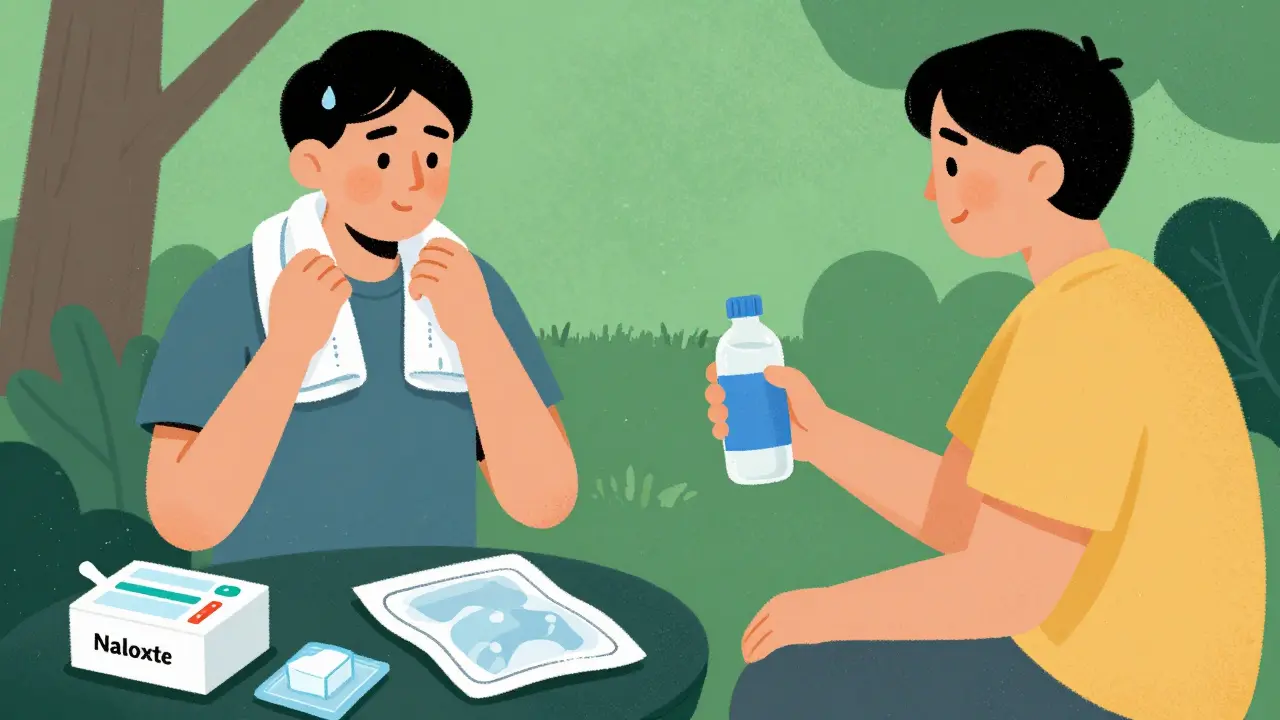
If you must stay home, create a personal cooling zone. Use wet towels, misting fans, and ice packs on pulse points (wrists, neck, groin). Wear loose, breathable clothing. Avoid direct sunlight. The goal is to keep your core temperature down so your body isn't fighting a two-front war against heat and drugs. Check on your neighbors, especially those who are isolated or homeless. The International Federation of Red Cross documents successful "Check on your neighbor" programs where volunteers trained in naloxone administration perform wellness checks, preventing dozens of overdoses annually during heat seasons.
| Risk Factor | Physiological Impact | Mitigation Strategy |
|---|---|---|
| Dehydration | Increases drug concentration by 15-20% | Drink 8oz electrolyte fluid every 20 mins |
| Cardiovascular Strain | Heart rate +10-25 bpm from heat alone | Reduce stimulant dose by 25-30% |
| Respiratory Depression | Compensation reduced by 12-18% for opioids | Have naloxone ready; never use alone |
| Cognitive Impairment | Judgment impaired by 25-35% in heat exhaustion | Use with a sober buddy; monitor symptoms |
Community Resources and Emergency Planning
Don't navigate this alone. Only 28% of municipal heat response plans specifically address people who use drugs, despite this population accounting for nearly a fifth of heat-related ER visits. You may need to advocate for yourself. Know where your local harm reduction organizations are. They often distribute cooling kits containing electrolyte packets and misting towels. In Philadelphia, such kits helped reduce mortality after learning from past heatwaves.
If you experience homelessness, the risk is compounded. Lack of climate-controlled environments and higher rates of co-occurring disorders make you extremely vulnerable. Seek out shelters that accept active users, though options may be limited. Peer support networks can provide crucial information about safe spaces. Remember, calling for help is not a sign of weakness; it is a strategic survival move. EMS responses for overdoses increase by 22% during heat advisories, meaning first responders are expecting these cases and are trained to handle them.
How much should I reduce my dose during a heatwave?
Experts recommend reducing your dose and frequency by at least 25-30% when temperatures exceed 24°C (75°F). This accounts for increased drug potency due to dehydration and altered metabolism. Start with a quarter of your normal amount to gauge your reaction safely.
Does dehydration really increase overdose risk?
Yes. Losing just 2% of body weight in fluid can increase blood concentration of drugs by 15-20%. This effectively acts as an unintentional dose escalation, making standard amounts potentially lethal. Hydration with electrolytes is critical to mitigate this risk.
Are stimulants more dangerous in the heat?
Stimulants like cocaine and methamphetamine pose a higher risk in heat because they constrict blood vessels and raise heart rate, similar to heat stress. This combination traps heat in the body and strains the cardiovascular system, increasing the likelihood of hyperthermia and cardiac events.
What should I do if I am sick and want to use drugs?
The safest option is to abstain. Illness, especially with fever or vomiting, accelerates dehydration and alters drug metabolism. If you choose to use, treat yourself as having zero tolerance, use a microdose, and ensure a sober person is present with naloxone available.
How can I stay cool if I don't have air conditioning?
Seek public cooling centers like libraries or malls. At home, use wet towels, misting fans, and ice packs on pulse points. Wear loose clothing and avoid direct sunlight. Community harm reduction groups may offer cooling kits with essential supplies.