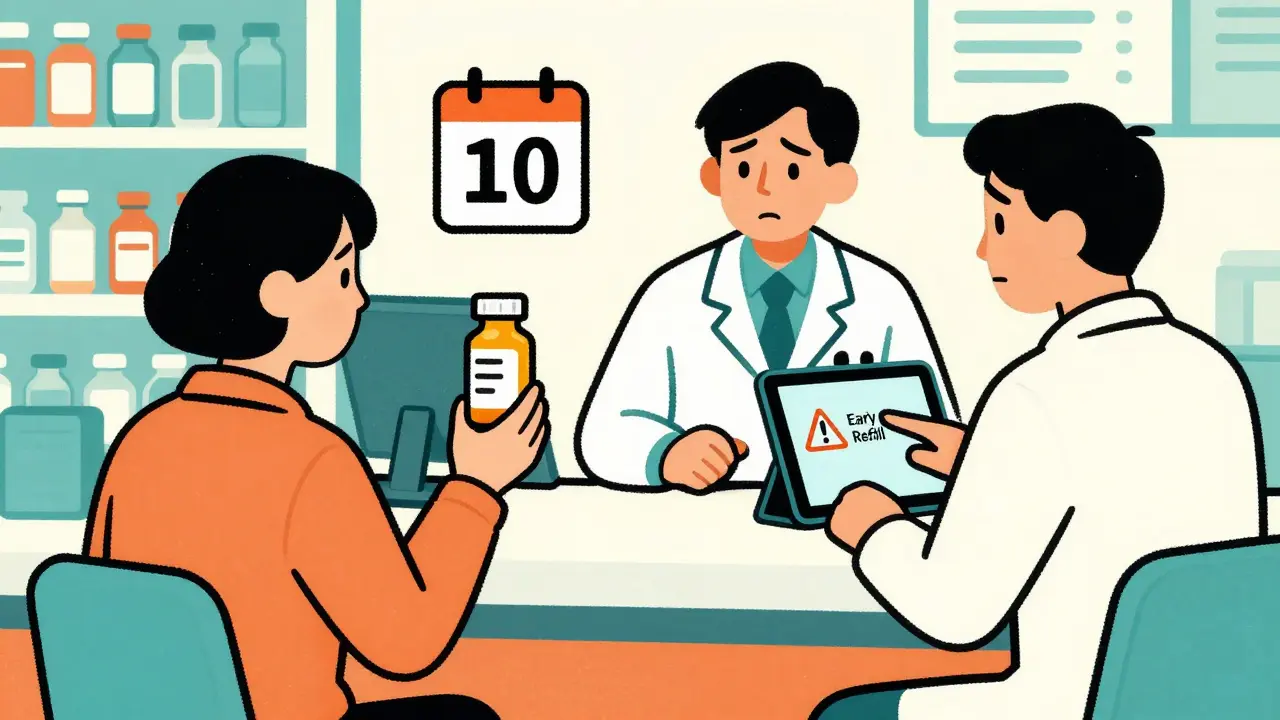
It happens in pharmacies and clinics every single day. A patient walks in asking for a refill on their blood pressure medication, but the system shows they still have ten days left on their current supply. Or worse, a pharmacist is about to dispense a new antibiotic, only to realize the patient is already taking a similar drug prescribed by another doctor two weeks ago. These aren't just administrative headaches. They are dispensing errors that can lead to dangerous overdoses, wasted resources, or even life-threatening interactions.
Early refills and duplicate therapy mistakes represent some of the most common yet preventable risks in modern healthcare. The Centers for Disease Control and Prevention (CDC) highlights that medication non-adherence and misuse are critical issues, particularly when it comes to preventing cardiovascular disease. When patients stockpile meds or accidentally double up on treatments, the consequences ripple out from individual health to public safety. This guide breaks down exactly how you can stop these errors before they happen, using proven protocols, technology, and clear communication strategies.
Understanding the Root Causes of Medication Errors
To fix the problem, we first need to understand why it happens. It’s rarely because a pharmacist or doctor is careless. More often, it’s due to fragmented systems and predictable human behavior.
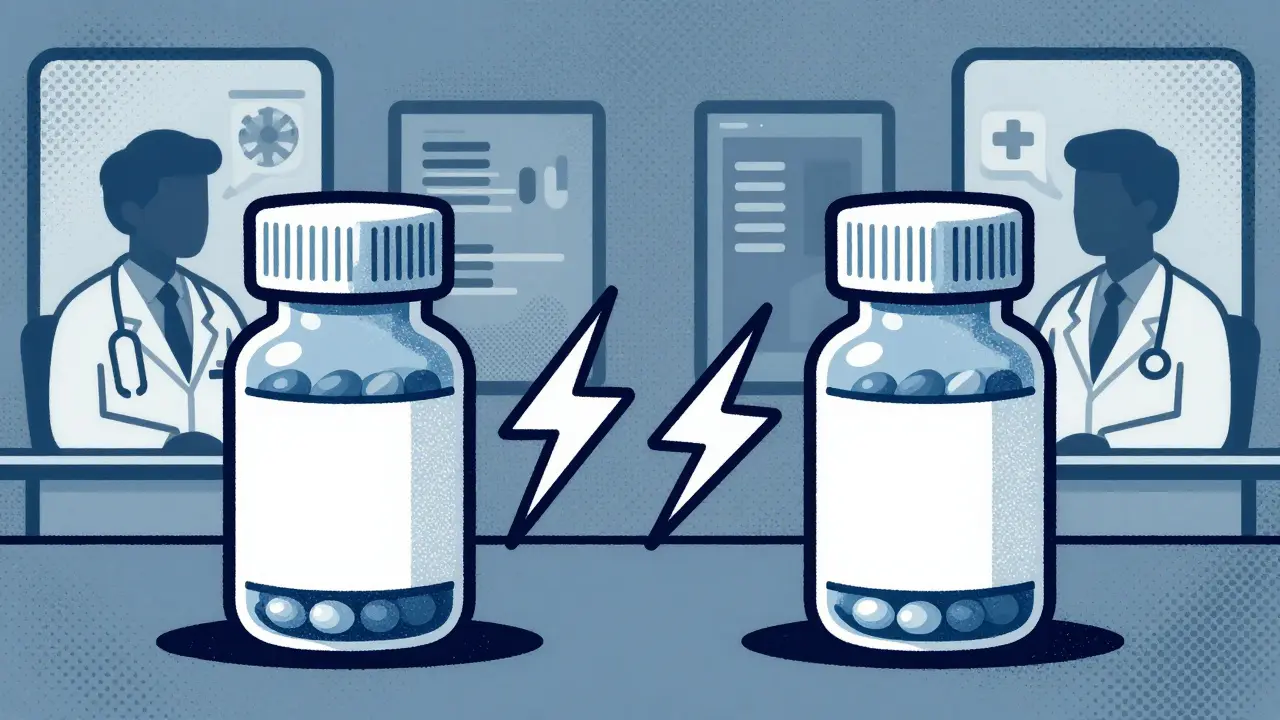
Duplicate Therapy occurs when a patient receives two or more medications that serve the same purpose. This often happens when a patient sees multiple specialists who don’t communicate with each other. For example, a cardiologist might prescribe an ACE inhibitor for heart health, while a primary care physician prescribes an ARB for high blood pressure, not knowing the other prescription exists. Both drugs lower blood pressure, but taking them together can cause kidney failure or severe drops in blood pressure.
On the flip side, Early Refills are requests to pick up medication before the standard window has passed. While sometimes legitimate-like if a patient travels abroad or loses their pills-they are also a red flag for potential drug diversion or misuse. The American Academy of Family Physicians (AAFP) notes that many practices historically treated these requests as unexpected crises rather than manageable events. This reactive approach leads to chaos, with staff spending hours chasing down approvals instead of focusing on patient care.
The Drug Enforcement Administration (DEA) has strict rules about this, especially for controlled substances. Schedule II drugs, like certain opioids or ADHD medications, generally cannot be refilled at all. Any request for an early refill on these requires a brand-new prescription and intense scrutiny. Understanding these distinctions is the first step toward building a safer practice.
Building a Three-Tiered Refill Protocol
You can’t treat every medication the same way. A nasal spray isn’t the same risk level as oxycodone. Research published in PMC (2022) found that nearly 89% of vendor-supplied refill protocols needed amendment to incorporate evidence-based guidelines. The most effective systems use a tiered approach.
| Tier Level | Medication Examples | Refill Rules | Required Oversight |
|---|---|---|---|
| Tier 1: Low Risk | Nasal steroids, basic vitamins, topical creams | Automated refills allowed; no provider approval needed if within date range. | None (System-Automated) |
| Tier 2: Moderate Risk | Antihypertensives, diabetes meds, birth control | Refills allowed for up to 3 months IF patient has been seen in the last 3 months. | Nurse or Medical Assistant review |
| Tier 3: High Risk | Controlled substances (Schedule II-V), anticoagulants | No automatic refills. Strict "2 days early" max rule. New script required for Schedule II. | Direct Provider Approval |
This structure works because it leverages your team’s skills correctly. Nurses and medical assistants can handle Tier 1 and Tier 2 approvals quickly, freeing up doctors to focus on complex cases. According to the AAFP, implementing such worksheets reduced the time spent processing refills and eliminated the need for partners to sign off on each other’s patients’ prescriptions. It turns a chaotic phone call into a streamlined workflow.
Leveraging Technology to Catch Duplicates
Human memory is fallible. Electronic Health Records (EHRs) and pharmacy software are not. If you are still relying on manual checks to spot duplicate therapies, you are leaving gaps in patient safety.
Modern EHR systems allow providers to include specific notes indicating when a prescription was picked up early. Using phrases like "cancel all prior" stops automatic refill reminders that could confuse the patient or the pharmacy staff. But the real power lies in integration.
In regions like Ontario, Canada, pharmacists are encouraged to register for access to a Clinical Viewer. This tool provides visibility into prescriptions filled at *other* pharmacies through publicly funded drug programs. As Dr. Ian Stewart, a registered pharmacist, points out, you cannot assume that just because a patient took a medication previously, the therapy is still appropriate. You must review the entire profile. If a patient hasn’t visited your pharmacy in six months but suddenly asks for a refill, that gap in service is a warning sign. It suggests they might be shopping around for duplicates or hiding usage patterns.
For US-based practices, integrating with state Prescription Drug Monitoring Programs (PDMPs) is essential. These databases track controlled substance prescriptions across all pharmacies in the state. Checking the PDMP before issuing any controlled substance prescription is now a standard of care. It reveals if a patient is seeing multiple doctors for the same condition-a classic sign of "doctor shopping" and a major source of duplicate therapy errors.
Handling Patient Pushback with Confidence
Even the best protocols fail if staff aren’t trained to enforce them. Patients will push back. They’ve heard rumors, or they’re frustrated, or they genuinely believe they have a right to the medication immediately.
Common tactics include:
- "The insurance allows it 5 days early, so I should get it."
- "My doctor wrote it, so I’m supposed to get it."
- "I’ll just pay cash to skip the wait."
Here is how to respond professionally and firmly:
On Insurance Rules: Explain that while insurance may *allow* payment 5 days early, clinical guidelines restrict dispensing to prevent waste and overdose. The SHPNC Medicare plan, for instance, explicitly states that early refill policies are designed to minimize stockpiling. You are protecting their health, not just following bureaucracy.
On Doctor Orders: Clarify that a prescription is an order to fill, not a command to bypass safety checks. Pharmacists are legally required to assess appropriateness. If a patient claims a doctor authorized an early refill for a controlled substance, verify it directly with the provider. Do not take the patient’s word for it.
On Paying Cash: Remind them that legal and ethical obligations apply regardless of payment method. Dispensing a controlled substance outside of protocol is illegal, whether paid by insurance or cash.
Training staff to say "no" confidently is crucial. When staff hesitate, patients sense weakness and escalate. When staff cite clear, written policy, the conversation shifts from personal conflict to procedural compliance.
Proactive Planning vs. Reactive Firefighting
The biggest mistake practices make is treating refills as emergencies. The AAFP advocates for a proactive model: expect refills and plan for them. If a patient needs monthly pain management, prepare the prescription a week in advance. Sign it in advance. If the provider is going on vacation, ensure the covering provider has pre-signed templates or clear authority limits.
This approach increases safety and continuity. It eliminates the frantic 24-hour turnaround that leaves patients stranded. In one documented case, a delay in approving an albuterol refill led to a patient ending up in the ER needing nebulizer treatment. By having a clear protocol where nurses could approve low-risk inhalers instantly, such crises become rare.
For chronic conditions, consider setting up "standing orders" for stable patients. If a patient’s blood pressure has been controlled for six months, authorize a three-month supply upfront. This reduces the frequency of refill requests and gives you fewer opportunities for error.
Key Takeaways for Implementation
Preventing early refills and duplicate therapy isn’t about being suspicious of your patients. It’s about creating a system that protects them from themselves and from systemic failures. Start by categorizing your medications into risk tiers. Train your staff to enforce these tiers without apology. Use technology to cross-check prescriptions across different providers. And finally, shift your mindset from reacting to requests to planning for them.
When you implement these steps, you reduce burnout for your staff, improve adherence for your patients, and significantly lower the risk of catastrophic medication errors. Safety isn’t an accident; it’s a protocol.
What is the standard window for early medication refills?
Most insurance plans and pharmacy policies allow a 30-day supply to be refilled approximately 5 days early. However, this varies by medication type. Controlled substances often have stricter limits, such as 2 days early, while Schedule II drugs cannot be refilled at all and require a new prescription. Always check specific state laws and insurance guidelines.
How can pharmacists identify duplicate therapy?
Pharmacists can identify duplicate therapy by reviewing the patient’s full profile in the Electronic Health Record (EHR) or Pharmacy Management System. They should look for medications with similar therapeutic classes (e.g., two different NSAIDs). Accessing shared databases like Clinical Viewers or Prescription Drug Monitoring Programs (PDMPs) helps reveal prescriptions filled at other pharmacies.
Why are early refills considered a safety risk?
Early refills can indicate drug diversion, misuse, or accidental overuse. Stockpiling medications increases the risk of accidental overdose, especially in households with children. For controlled substances, frequent early refill requests are a major red flag for addiction or illicit resale, violating DEA regulations.
Can a patient force a pharmacy to fill an early refill by paying cash?
No. Legal and ethical obligations regarding medication safety apply regardless of payment method. Pharmacists are required to assess the appropriateness of the therapy. Dispensing controlled substances outside of established protocols is illegal, even if the patient pays out of pocket.
What is the role of Clinical Decision Support (CDS) in preventing errors?
Clinical Decision Support (CDS) tools automate checks for drug interactions, duplicate therapies, and refill eligibility. They alert providers and pharmacists when a prescription violates safety protocols, allowing for intervention before the medication is dispensed. CDS reduces reliance on human memory and speeds up the verification process.