Methadone QT Risk & Monitoring Calculator
Patient Profile & Risk Factors
Enter Your Information
Fill in the form to calculate your individual risk level and get personalized monitoring recommendations.
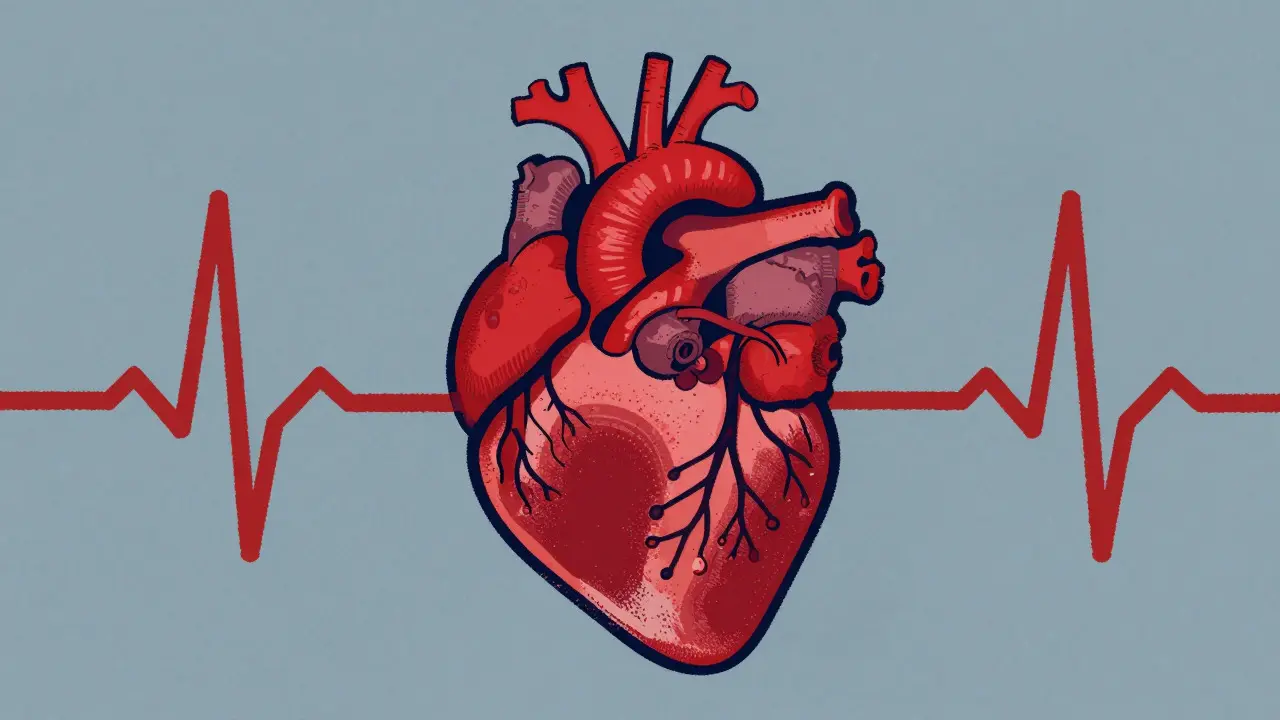
Imagine taking a medication that saves your life by stabilizing opioid dependence, but carries a hidden risk of stopping your heart. That is the reality for many patients on Methadone, which is a long-acting synthetic opioid agonist used primarily in maintenance therapy for opioid addiction. While methadone reduces mortality and criminal activity significantly, it also affects the electrical system of the heart. Specifically, it can lengthen the time it takes for the heart to recharge between beats-a condition known as QT prolongation. If this interval gets too long, it can trigger a dangerous arrhythmia called Torsades de Pointes (TdP), which can lead to sudden cardiac death.
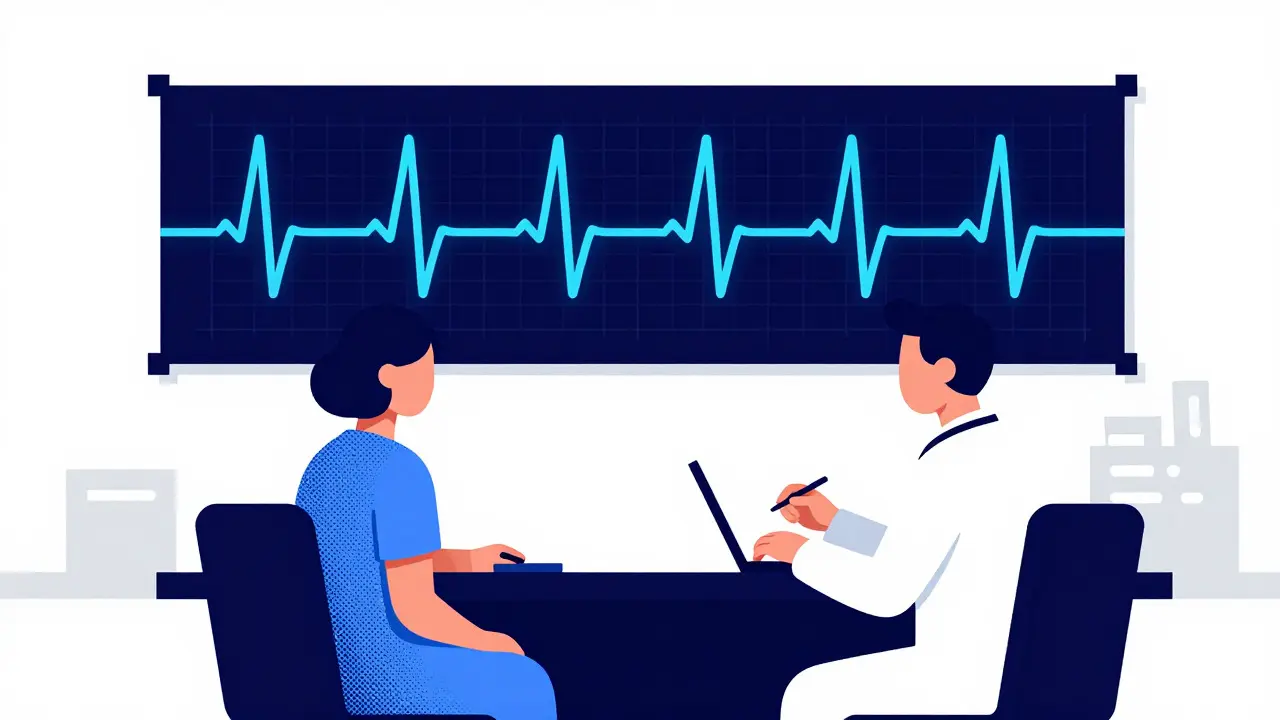
The good news? This risk is manageable. With proper ECG monitoring (electrocardiogram), doctors can catch these changes early and adjust treatment before anything serious happens. This guide breaks down what you need to know about methadone’s impact on your heart, who is at highest risk, and how monitoring protocols work to keep you safe.
Why Methadone Affects the Heart Rhythm
To understand the risk, we have to look at how the heart works electrically. Every heartbeat involves a cycle of charging (depolarization) and recharging (repolarization). The QT interval on an ECG measures how long this entire cycle takes. Think of it like a battery recharging after use. If the recharge time is too slow, the next beat might start before the heart is ready, causing chaotic firing.
Methadone interferes with this process by blocking specific potassium channels in the heart cells, known as hERG channels. These channels are responsible for letting potassium out of the cell during the repolarization phase. When methadone blocks them, the heart takes longer to reset. This delay shows up on an ECG as a prolonged QT interval. The higher the dose of methadone, the more likely this blockage becomes, creating a direct link between dosage and cardiac risk.
It’s not just about the drug itself. Other factors like low potassium or magnesium levels can make the heart even more sensitive to this effect. This is why looking at the whole patient picture-not just the prescription-is critical for safety.
Who Is at Higher Risk?
Not everyone on methadone will experience significant QT prolongation. However, certain groups face a much higher likelihood of complications. Understanding these risk factors helps clinicians decide how often to check an ECG.
- Gender: Women naturally have longer QT intervals than men. Studies show women are about 2.5 times more likely to develop methadone-induced QT issues.
- Age: Patients over 65 years old have less resilient heart tissue and slower metabolism, increasing susceptibility.
- Dose: Daily doses exceeding 100 mg are associated with a significantly higher risk. Some studies show odds ratios of nearly 4 for patients on high doses.
- Electrolyte Imbalances: Low potassium (hypokalemia) or low magnesium (hypomagnesemia) weakens the heart’s electrical stability. This is common in people with poor nutrition or alcohol use disorders.
- Existing Heart Conditions: Structural heart disease, heart failure, or congenital Long QT Syndrome puts extra strain on the heart’s electrical system.
- Drug Interactions: Taking other medications that also prolong QT or inhibit methadone breakdown (like certain antidepressants or antifungals) can spike blood levels of methadone unexpectedly.
If you fall into one or more of these categories, your doctor will likely take a more cautious approach to monitoring.

Understanding Your ECG Results
When you get an ECG, the key number to watch is the corrected QT interval, or QTc. This value adjusts the raw QT measurement based on your heart rate, giving a standardized metric. Here is what the numbers mean:
| Category | Men (ms) | Women (ms) | Action Required |
|---|---|---|---|
| Normal | ≤430 | ≤450 | Continue routine care |
| Borderline | 431-450 | 451-470 | Monitor closely; review risk factors |
| Clinically Significant | >450 | >470 | Investigate causes; consider dose adjustment |
| High Risk | >480 | >500 | Immediate cardiology consult; reduce dose or switch meds |
A QTc over 500 milliseconds is considered a red flag. At this level, the risk of Torsades de Pointes increases fourfold. Most guidelines suggest that if your QTc exceeds 500 ms or jumps by more than 60 ms from your baseline, immediate action is needed. This might include lowering your methadone dose, correcting electrolyte levels, or switching to an alternative medication like Buprenorphine, which has a much lower risk of affecting heart rhythm.
How Often Should You Get Monitored?
You don’t need an ECG every week unless there’s a specific concern. Instead, experts recommend a risk-stratified approach. This means the frequency of testing depends on your individual risk profile and initial results.
- Baseline ECG: Before starting methadone, especially if the dose is above 100 mg/day or you have risk factors, a baseline ECG is essential. This gives your doctor a reference point.
- Steady State Check: After starting or changing your dose, wait 2-4 weeks for the drug to reach steady levels in your body, then repeat the ECG.
- Ongoing Monitoring:
- Low Risk: If your QTc is normal and you have no other risk factors, check every 6 months.
- Moderate Risk: If your QTc is borderline or you have 1-2 risk factors, check every 3 months.
- High Risk: If your QTc is elevated (>480 ms men, >500 ms women) or you have multiple risk factors, check monthly until stable.
This structured approach ensures that resources are focused on those who need them most, without overwhelming low-risk patients with unnecessary tests.
Practical Steps to Reduce Cardiac Risk
While monitoring is crucial, prevention is equally important. Here are actionable steps you can take alongside your medical team:
- Review All Medications: Bring a complete list of all prescriptions, over-the-counter drugs, and supplements to your doctor. Common culprits that interact with methadone include fluconazole (an antifungal), fluvoxamine (an antidepressant), and certain antibiotics like moxifloxacin.
- Maintain Electrolyte Balance: Ensure adequate intake of potassium and magnesium through diet or supplements if recommended by your doctor. Foods like bananas, avocados, spinach, and nuts are excellent sources.
- Manage Sleep Apnea: Up to 50% of people on methadone maintenance have sleep apnea. Untreated apnea causes intermittent oxygen drops, which stress the heart. If you snore heavily or feel tired during the day, ask about a sleep study.
- Avoid Alcohol and Recreational Drugs: These substances can further depress the central nervous system and disrupt heart rhythm, compounding the effects of methadone.
- Communicate Symptoms: If you experience dizziness, fainting, palpitations, or unexplained shortness of breath, report them immediately. These could be early signs of arrhythmia.
Recent data from JAMA Internal Medicine (2023) shows that clinics implementing structured QT monitoring protocols reduced serious cardiac events by 67%. This proves that systematic care works. It’s not about fear-it’s about empowerment through knowledge.
What If Your QT Interval Is Prolonged?
Finding out your QT interval is prolonged doesn’t mean you have to stop methadone entirely. In many cases, small adjustments make a big difference. Doctors might:
- Lower the daily dose slightly.
- Split the dose into two smaller administrations instead of one large one.
- Switch to a different formulation or medication like buprenorphine-naloxone.
- Correct underlying issues like dehydration or electrolyte deficits.
The goal is to maintain the benefits of opioid replacement therapy while minimizing cardiac strain. For most patients, finding the right balance is achievable with close collaboration between addiction specialists and cardiologists.
Is methadone safe for people with existing heart conditions?
Methadone can be used cautiously in patients with heart conditions, but it requires careful evaluation. Those with structural heart disease, heart failure, or congenital Long QT Syndrome are at higher risk. A thorough assessment by both a cardiologist and an addiction specialist is necessary before starting treatment. Regular ECG monitoring is mandatory for these patients.
How quickly does methadone affect the QT interval?
The effect on the QT interval usually becomes apparent within days of starting or increasing the dose. Because methadone has a long half-life, it takes 2-4 weeks to reach steady state in the body. Therefore, baseline and follow-up ECGs should be spaced appropriately to capture the true impact.
Can I take other medications with methadone?
Yes, but caution is needed. Many common drugs, including some antidepressants, antipsychotics, and antibiotics, also prolong the QT interval. Combining them with methadone increases the risk. Always inform your healthcare provider about all medications you are taking to avoid dangerous interactions.
What is Torsades de Pointes?
Torsades de Pointes is a specific type of ventricular tachycardia characterized by a twisting pattern on the ECG. It is often triggered by a prolonged QT interval. Symptoms may include dizziness, fainting, or seizures. If untreated, it can degenerate into ventricular fibrillation, leading to sudden cardiac death. Immediate medical attention is required.
Does buprenorphine cause QT prolongation?
Buprenorphine has a significantly lower risk of causing QT prolongation compared to methadone. It is often considered a safer alternative for patients with pre-existing cardiac risks or those who develop significant QT extension on methadone. However, it still requires standard medical supervision.