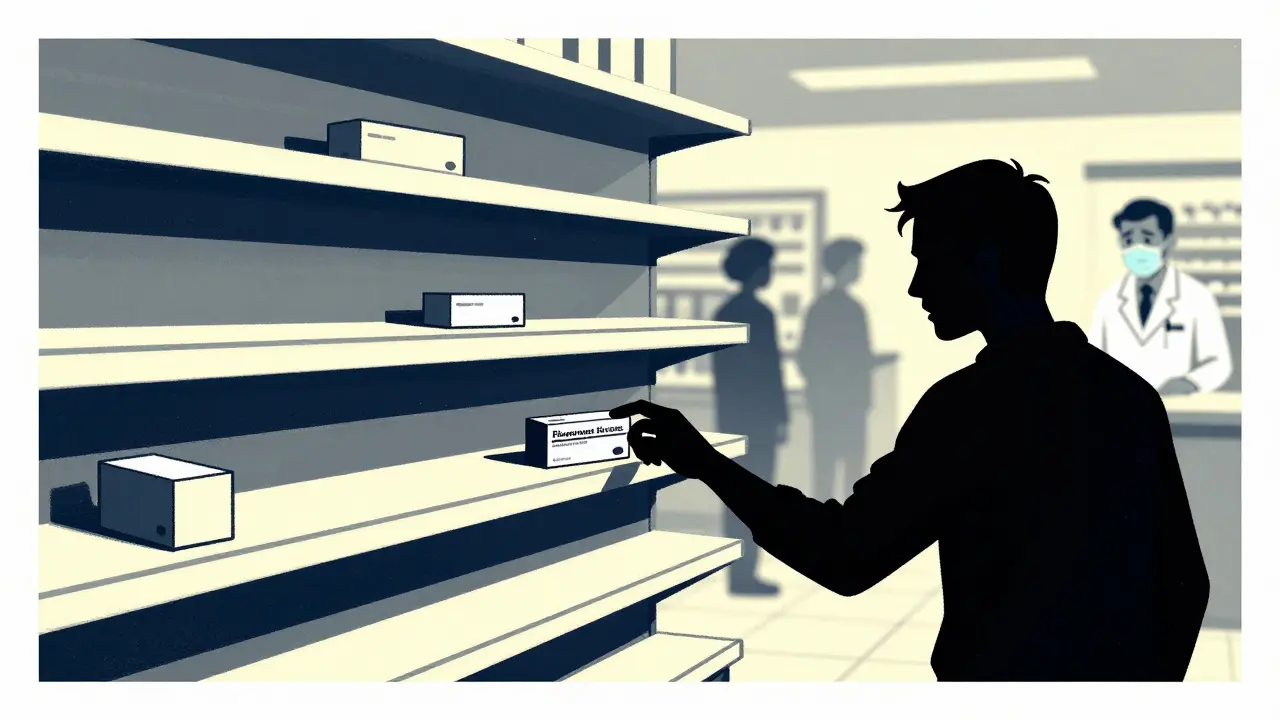
Imagine walking into your local pharmacy in early 2020, only to find the shelves bare of essential medications like insulin or blood pressure pills. For millions of people, this wasn't a hypothetical scenario; it was their daily reality during the initial surge of the COVID-19 pandemic, which caused widespread disruptions in global pharmaceutical supply chains leading to significant drug shortages. The crisis went far beyond just empty shelves. It created a dual threat: legitimate medicines became harder to get, while illicit drug markets shifted in ways that dramatically increased overdose risks. Understanding how these disruptions happened helps us prepare for future health emergencies.
The Early Shock: Pharmaceutical Supply Chain Breakdowns
The first few months of the pandemic exposed deep weaknesses in how we manufacture and distribute medicine. A study published in JAMA Network Open by Suda et al. in October 2023 provided hard data on this chaos. Between February and April 2020, supply chain issues affected 34.2% of drugs with reported issues, compared to just 9.5% of comparison drugs before the pandemic hit. That’s a massive spike. About one in seven reports of supply chain problems led to actual drug shortages within six months. In some cases, these were severe shortages, meaning availability dropped by at least 33%.
Why did this happen? The global nature of pharmaceutical manufacturing is the key. Many active pharmaceutical ingredients (APIs) come from just a few countries, primarily China and India. When borders closed and factories slowed down due to lockdowns, the ripple effect was immediate. Critical care medications needed for treating COVID-19 patients, as well as routine generics for chronic conditions, suddenly vanished from hospitals and pharmacies. The system wasn't built for sudden stops in global logistics.
However, things didn't stay bad forever. By May 2020, the incidence of shortages began to drop. The study noted that shortages fell to 9.8% of drugs with reports. This improvement wasn't accidental. Regulatory bodies like the FDA stepped up, prioritizing inspections of critical drug manufacturers and improving communication with suppliers. They empowered agencies to take direct action rather than waiting for standard bureaucratic processes. Still, the researchers warned that these vulnerabilities remained, requiring long-term policy changes to fix the root economic causes of shortages.
The Illicit Market Shift: Increased Overdose Risks
While pharmacies struggled with legal medications, a different kind of crisis unfolded in the world of illicit drugs. The National Institute on Drug Abuse (NIDA) documented how the pandemic collided with the ongoing addiction crisis. People who use drugs faced higher risks of contracting SARS-CoV-2, often due to pre-existing health conditions and reduced access to healthcare. But the bigger danger came from changes in the drug supply itself.
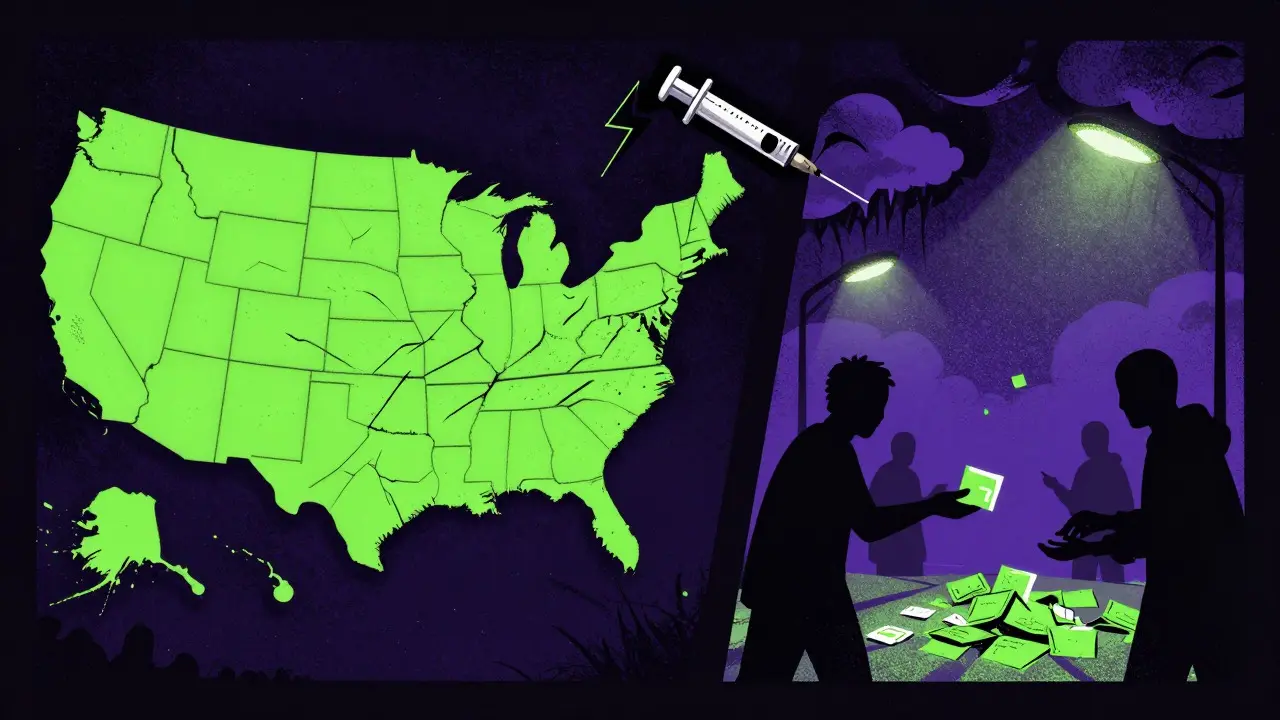
Lockdowns disrupted traditional distribution networks for illegal substances. Dealers couldn't move product as easily, and users were isolated from their usual social circles. This isolation had deadly consequences. According to CDC provisional data, there were 97,990 drug overdose deaths in the 12-month period from May 2020 to April 2021. Compare that to 77,007 deaths in the previous year. That's a staggering increase. Nearly every state saw rises in overdose deaths, with places like Kentucky, Louisiana, and West Virginia seeing jumps of more than 50%.
What made the drugs more dangerous? Adulteration. With supply chains fractured, synthetic opioids like fentanyl became more prevalent in the street drug mix. Users reported that doses they had taken safely for years suddenly knocked them out cold. A user on Reddit described it simply: "the street supply got weird after lockdowns started." The potency and unpredictability of the illicit market skyrocketed, turning routine use into a life-threatening gamble.
Telehealth Wins and Losses in Addiction Treatment
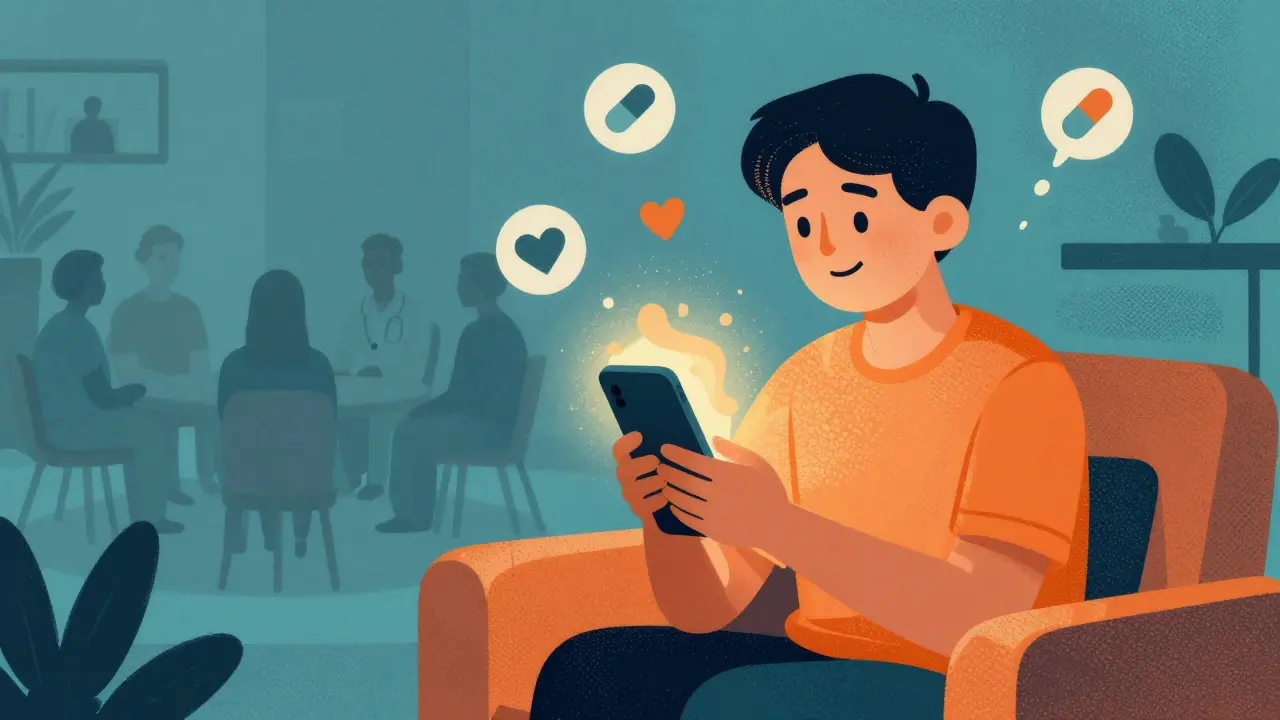
One bright spot emerged from the darkness: telehealth. Before the pandemic, getting prescribed medication for opioid use disorder (MOUD) like buprenorphine required an in-person visit. Regulations changed rapidly to allow remote prescribing. Buprenorphine prescriptions via telehealth jumped from 13% in February 2020 to 95% by April 2020. This flexibility saved lives, especially for people in rural areas who previously traveled hours for treatment.
Dr. Nora Volkow, Director of NIDA, noted that expanded telehealth access was associated with a reduced likelihood of fatal overdoses among Medicare beneficiaries. However, it wasn't a perfect solution. While medication access improved, behavioral healthcare utilization dropped by 75% for individuals with private insurance during the summer of 2020. Group counseling, 12-step meetings, and community harm-reduction services-critical pillars of recovery-were largely shut down. Many people relied on these in-person support networks, and losing them left a void that pills alone couldn't fill.
Real-World Impact on Patients and Providers
Behind the statistics are real stories of frustration and fear. Patients reported rationing insulin and antibiotics because they couldn't find replacements. Some turned to informal channels, buying meds from neighbors or online sources with unknown safety records. Healthcare providers faced their own battles. A survey showed that 67% of addiction treatment centers experienced service disruptions during the first wave of the pandemic.
Harm reduction workers also felt the strain. Needle exchange programs and supervised consumption sites had to adapt quickly. One program in Philadelphia reported a 40% decrease in service provision during the initial lockdown. To compensate, organizations like the Boston Public Health Commission increased naloxone distribution by 30%, handing out life-saving kits to communities most at risk. These adaptations were crucial, but they highlighted how fragile our safety nets can be under pressure.
| Aspect | Pharmaceutical Medications | Illicit Drugs |
|---|---|---|
| Peak Disruption Period | February - April 2020 | Continued throughout 2020-2021 |
| Primary Cause | Global supply chain halts, API shortages | Distribution network fractures, isolation |
| Key Consequence | Shortages of essential meds (insulin, BP) | Increased overdose deaths, fentanyl adulteration |
| Recovery Status | Returned to pre-pandemic levels by mid-2020 | Crisis continued to worsen post-2020 |
| Regulatory Response | FDA expedited reviews, prioritized inspections | Expanded telehealth for MOUD, take-home methadone |
Lessons Learned and Future Preparedness
The pandemic taught us that our drug supply systems are resilient but not robust. We can bounce back, but only if we act fast. The JAMA study emphasized the need for greater transparency in supply chains. If we don't know where our ingredients come from, we can't predict when they'll stop flowing. The 2023 National Defense Authorization Act included provisions to improve this transparency, a step in the right direction.
For the future, experts suggest investing in domestic manufacturing for critical drugs. Relying too heavily on foreign sources creates single points of failure. Additionally, maintaining telehealth flexibilities for addiction treatment could prevent future spikes in overdose deaths. But technology isn't enough. We must address the social determinants of health-poverty, housing instability, mental health-that drive substance use in the first place.
As we look ahead, the World Health Organization warns that pandemic-related disruptions may continue to affect substance use patterns for years. Delayed treatment seeking and accumulated mental health stressors linger. By learning from the mistakes of 2020, we can build a system that keeps both prescription and public health safe, no matter what comes next.
Did drug shortages return to normal after the pandemic?
Yes, for pharmaceutical medications, shortages largely returned to pre-pandemic levels by May 2020 thanks to regulatory interventions. However, vulnerabilities in the supply chain remain, and experts warn that similar disruptions could occur again without further policy changes.
How did COVID-19 affect opioid overdose rates?
Overdose rates increased dramatically. From 2019 to 2020, deaths rose by 31%, and another 15% from 2020 to 2021. This was driven by isolation, increased potency of street drugs (especially fentanyl), and reduced access to in-person support services.
What role did telehealth play in addiction treatment during the pandemic?
Telehealth played a crucial positive role. Prescriptions for buprenorphine via telehealth jumped from 13% to 95% between February and April 2020. This expanded access helped reduce fatal overdoses among some populations, though it couldn't replace all in-person behavioral support.
Which medications were most affected by shortages?
Critical care medications needed for COVID-19 treatment, as well as generic drugs for chronic conditions like insulin and blood pressure medications, were significantly impacted. Specialty medications also faced delays due to global supply chain halts.
Why did illicit drug supplies become more dangerous?
Disruptions in traditional distribution networks led dealers to use cheaper, more potent substances like fentanyl to maintain profits. Isolation also meant users couldn't verify dosages with peers, leading to unpredictable and often lethal combinations.