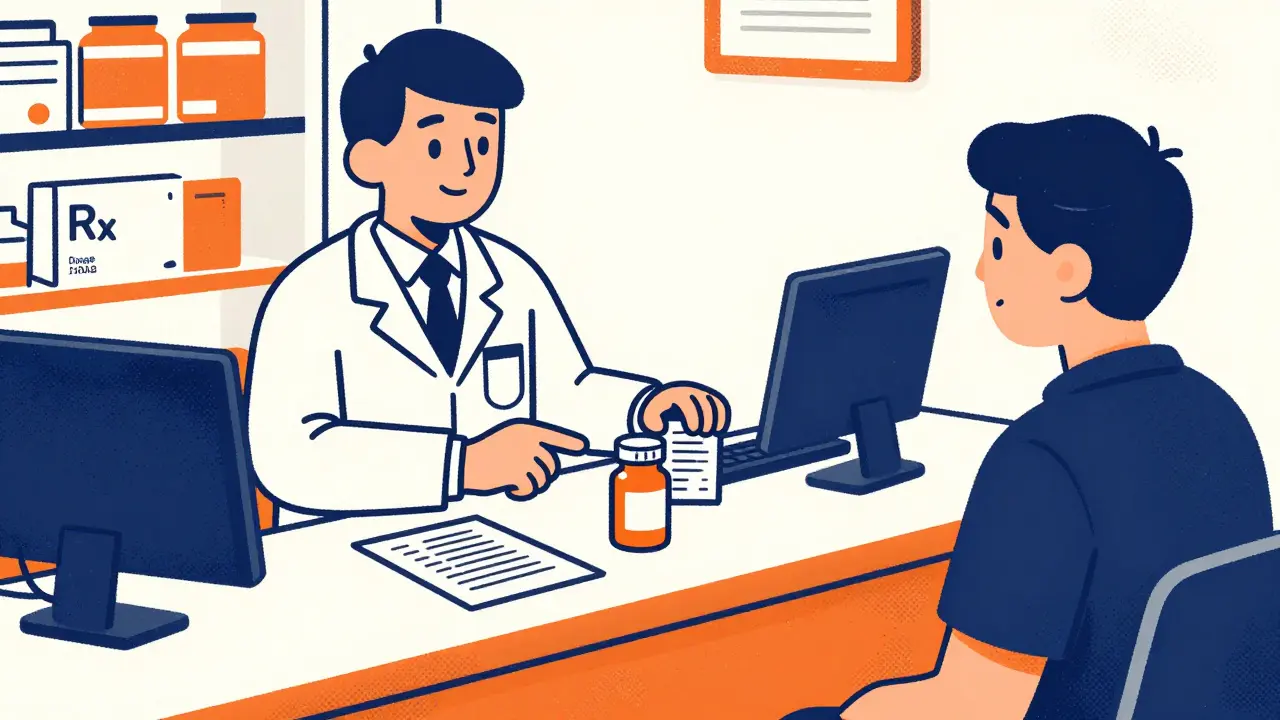
You pick up a new prescription from the pharmacy. The pharmacist hands you a small plastic bottle or a blister pack with a sticker on it. It looks like a jumble of tiny text, numbers, and codes. Most people glance at the name, nod, and walk away. But that little piece of paper is actually your personal safety manual. Misreading it can lead to taking the wrong dose, mixing dangerous drugs, or using expired medicine.
Understanding what each part of your prescription label means isn't just about being smart; it's about staying safe. In the United States alone, medication errors contribute to thousands of hospitalizations every year. A significant portion of these mistakes happen because patients misunderstood simple instructions on the label. Let’s break down exactly what you are looking at, why it matters, and how to use this information to protect your health.
The Basics: Who, What, and When
The top section of any standard prescription label contains the most critical identifiers. This is where you verify that the medication belongs to you and matches what your doctor ordered.
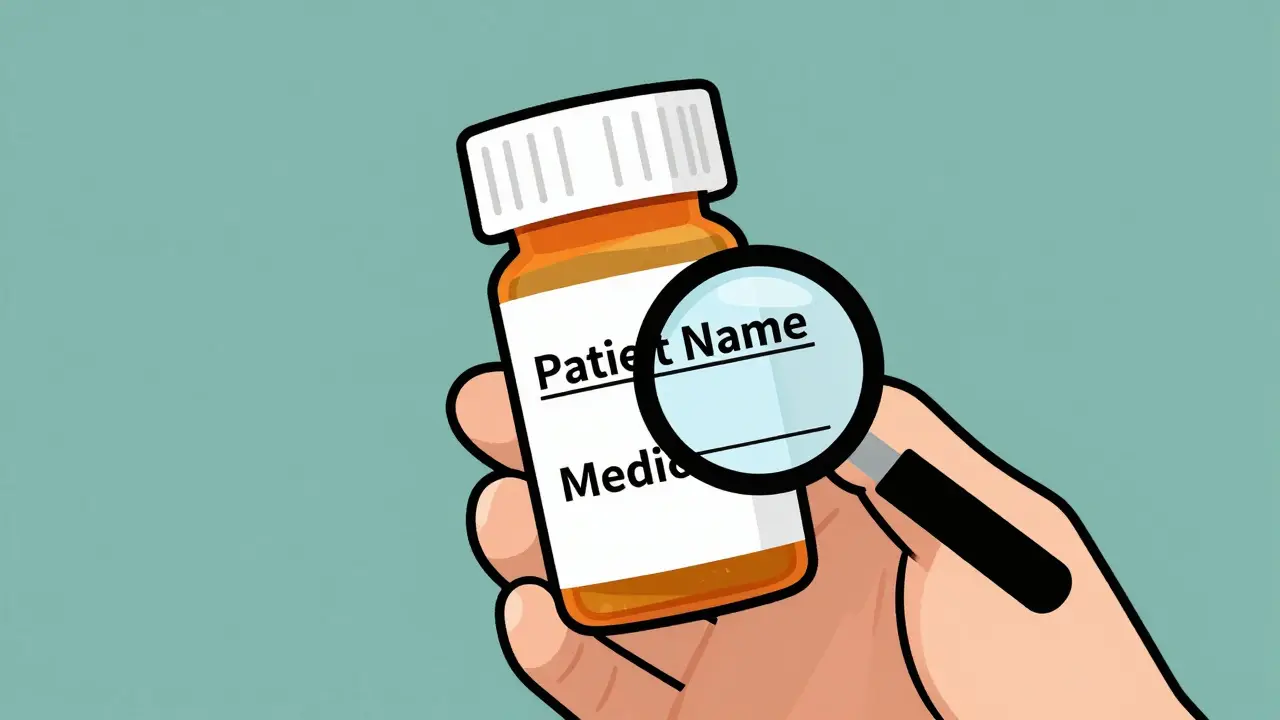
Patient Name is the first line of defense against mix-ups. It should be your full legal name. If you see someone else’s name, stop immediately. Do not take the medication. Return to the pharmacy counter. This prevents the scary scenario of taking a neighbor’s heart medication instead of your own allergy pills.
Next is the Medication Name is listed in both brand and generic forms. You might see "Lipitor" (brand) and "atorvastatin" (generic). Both refer to the same active ingredient. Knowing the generic name helps if you switch pharmacies or insurance plans, as they might stock one over the other. The strength follows, such as "10 mg." This tells you how much active drug is in each pill. Never assume two pills look alike means they are the same strength.
The Dosage Instructions is the specific direction on how to take the drug. Look for phrases like "Take 1 tablet by mouth daily." Avoid abbreviations if possible. If the label says "q.d.," ask your pharmacist to write "once a day." Ambiguous abbreviations are a leading cause of dosing errors. Some labels now include the "indication," or reason for use, such as "for high blood pressure." This extra context helps ensure you know exactly why you are taking the pill.
Tracking and Identification Codes
Beneath the basic info, you will find several numbers that seem random but serve vital logistical and safety purposes.
The Rx Number is a unique identifier for your specific prescription. This number stays with your prescription history at that pharmacy. When you call for a refill, you give them this number. It ensures they pull the correct record from their system. Keep this number handy, perhaps written on a calendar or saved in your phone notes.
The National Drug Code (NDC) is a 10- or 11-digit code identifying the manufacturer, product, and package size. Think of it as the drug’s fingerprint. It allows pharmacists and insurers to track exactly which version of the drug you received. If there is a recall, this code determines if your specific batch is affected.
The Expiration Date is the deadline for safe usage. Medications lose potency over time. Taking an expired antibiotic might mean it doesn’t kill the bacteria, leading to resistance. For liquid antibiotics, the expiration date is often much sooner-sometimes just 10 to 14 days after mixing. Always check this date before starting a course.
Safety Warnings and Storage
The bottom of the label usually holds warnings and storage instructions. These are not suggestions; they are requirements for the drug to work safely.
Storage Instructions is guidance on keeping the drug stable. Common directions include "Store at room temperature" or "Refrigerate." Insulin, for example, loses effectiveness if frozen or left in a hot car. Follow these rules strictly. If a label says "Keep out of reach of children," use a child-proof cap or store it in a locked cabinet.
Warning Statements is critical safety alerts printed on the label. You might see "May cause drowsiness" or "Do not operate heavy machinery." These warnings highlight side effects that could impact your daily activities. Ignoring them can lead to accidents. If you see "Risk of addiction" or "Do not drink alcohol," take note. Alcohol can interact dangerously with many common prescriptions, including painkillers and sedatives.
Pharmacy and Prescriber Details
The final section lists contact information. This is your lifeline if something goes wrong or you have questions.
The Pharmacy Information is the name, address, and phone number of the dispensing location. Save this number. If you notice a rash, feel dizzy, or think you missed a dose, call them. Pharmacists are experts in drug interactions and can advise you quickly without needing an appointment.
The Prescriber Name is the doctor who ordered the medication. This confirms the source. If you have concerns about the treatment plan itself, this is the professional to contact through their office.
| Label Section | What It Means | Why It Matters |
|---|---|---|
| Patient Name | Your full legal name | Prevents identity mix-ups |
| Medication Name | Brand and generic names | Ensures correct drug identification |
| Dosage Strength | Amount per unit (e.g., 10 mg) | Avoids under- or overdosing |
| Instructions | How and when to take | Guarantees proper administration |
| Rx Number | Unique prescription ID | Facilitates refills and records |
| Expiration Date | Last safe use date | Prevents use of ineffective drugs |
| Warnings | Safety alerts (e.g., drowsiness) | Reduces risk of adverse events |
Common Pitfalls to Avoid
Even with clear labels, mistakes happen. Here are three common errors and how to prevent them.
- Ignoring Abbreviations: If the label uses symbols like "tid" (three times a day) or "hs" (at bedtime), ask your pharmacist to spell it out. Clarity saves lives.
- Mixing Up Similar Names: Drugs like predniSONE and predniSOLONE look alike but treat different conditions. Pharmacies now use "tall man lettering" to highlight differences. Pay attention to these bolded letters.
- Skipping the Indication: If your label doesn’t say why you’re taking the drug, ask for it to be added. Knowing the purpose improves adherence and reduces confusion.
When to Call the Pharmacy
You should never guess when it comes to medication. Call your pharmacist if:
- The label is unclear or missing key information.
- You experience unexpected side effects.
- You are unsure how to measure liquid doses.
- You need to refill but don’t have the Rx number.
Pharmacists are accessible healthcare providers. They can clarify doubts, suggest alternatives, and ensure your regimen is safe. Don’t hesitate to use this resource.
What does the Rx number on my prescription label mean?
The Rx number is a unique identifier assigned to your specific prescription by the pharmacy. It links your medication to your patient profile in their system. You need this number to request refills, check status, or discuss the prescription with the pharmacist. It ensures they pull the correct record, especially if you have multiple medications.
Why are both brand and generic names listed on the label?
Both names are listed to provide clarity and flexibility. The brand name is the trademarked name (e.g., Advil), while the generic name is the active ingredient (e.g., ibuprofen). Including both helps you recognize the drug regardless of packaging changes or insurance substitutions. It also aids in identifying potential interactions with other medications you may be taking.
Is it safe to take medication past the expiration date?
No, it is generally not recommended. After the expiration date, the medication may lose potency, meaning it won’t work as intended. In some cases, chemical breakdown can produce harmful substances. Liquid antibiotics and insulin are particularly sensitive. Always dispose of expired medications properly and consult your pharmacist for guidance.
What should I do if I don't understand the dosage instructions?
Stop and ask for clarification before taking the medication. Contact your pharmacist or doctor immediately. Ask them to explain the instructions in plain language, such as "take one pill every morning with breakfast" instead of medical abbreviations. Clear understanding prevents dosing errors and ensures the drug works effectively.
Can I request the reason for use (indication) on my label?
Yes, you can request this. Many states and pharmacies now encourage adding the indication, such as "for anxiety" or "for infection," to the label. This helps patients remember why they are taking the medication, reducing confusion and improving adherence. Simply ask your pharmacist when picking up your prescription.