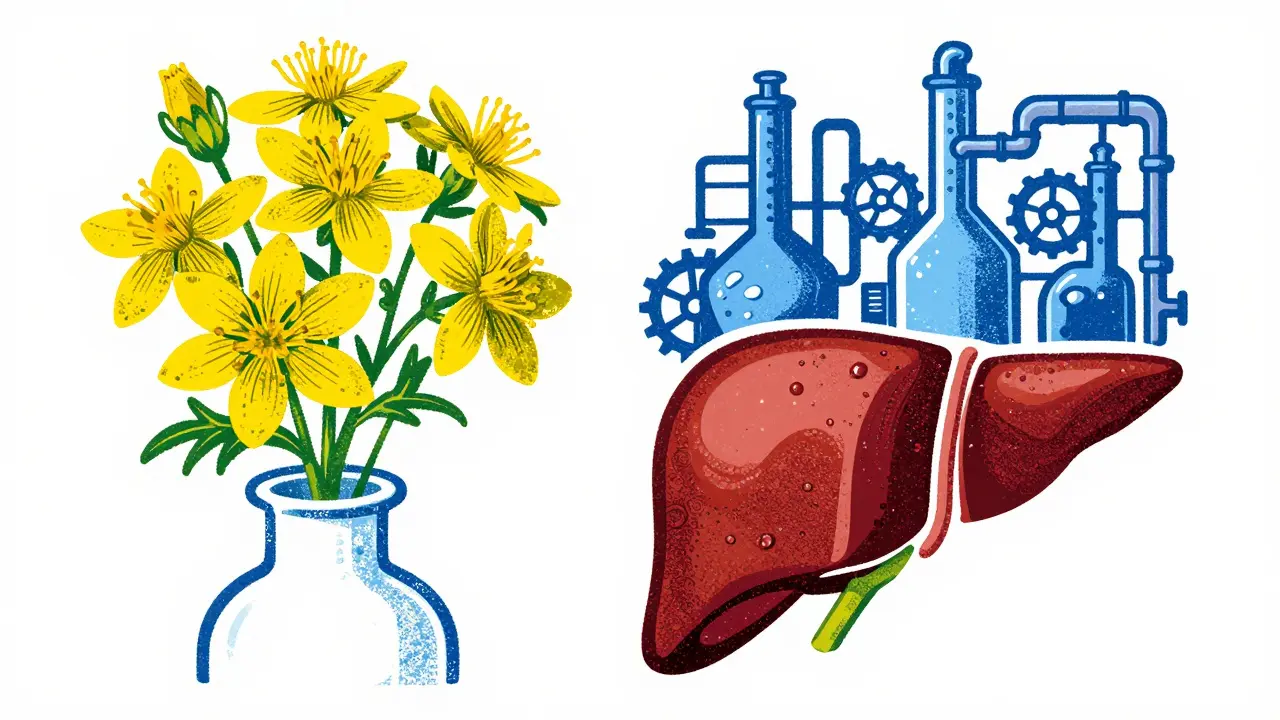
You might think that because it's "natural," a herbal supplement is inherently safe. But when it comes to St. John's Wort is a flowering plant used as a supplement primarily to treat mild to moderate depression, that logic can be dangerous. While it often works as well as standard antidepressants for some people, this plant is essentially a chemistry lab in a capsule. It doesn't just fight sadness; it actively changes how your liver and gut process other medications, often making your prescriptions less effective or, in some cases, dangerously potent.
Why It Messes With Your Meds
To understand why this happens, you have to look at the liver. Your body uses enzymes, specifically the CYP3A4 enzyme, to break down a huge variety of drugs. St. John's Wort contains a compound called hyperforin, which acts like a turbo-button for these enzymes. When you take the supplement, your liver starts producing more of these enzymes and clearing out medications much faster than normal.
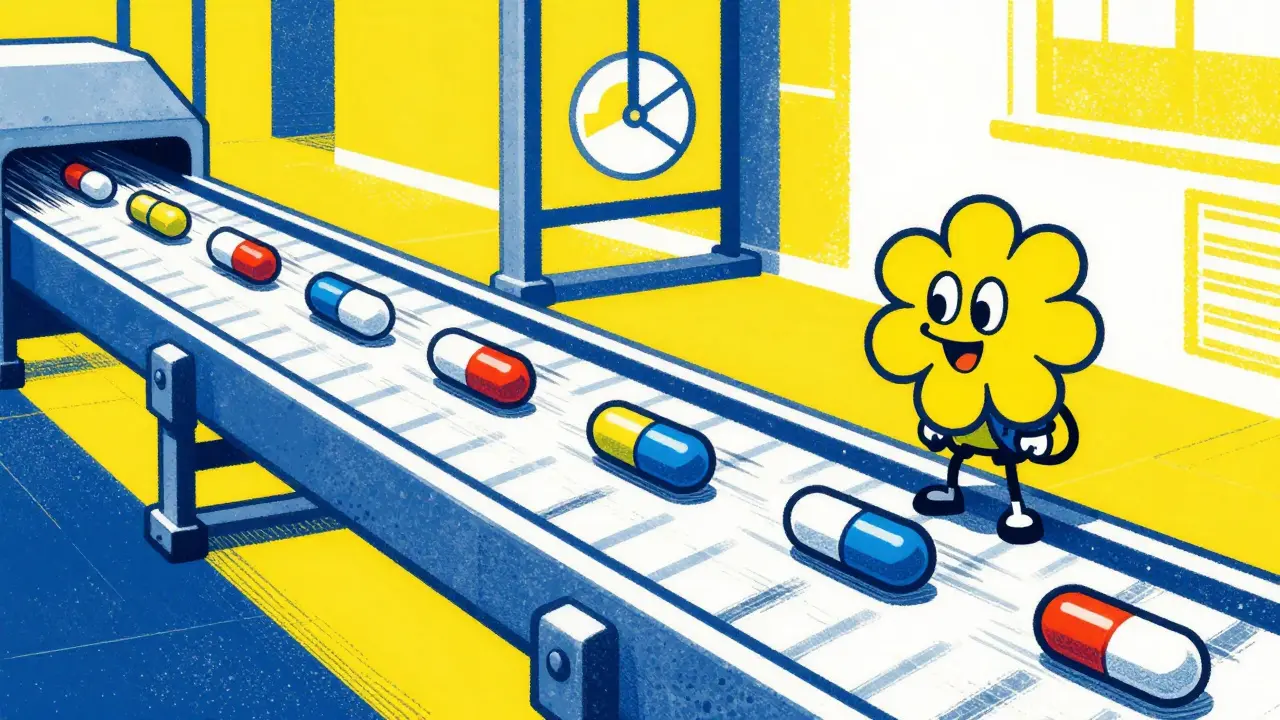
Think of it like a conveyor belt in a factory. Normally, your medicine stays on the belt long enough to do its job. St. John's Wort speeds up that belt, kicking the medicine out of your system before it ever has a chance to work. Depending on the extract-like whether it's an ethanol or CO2 extract-the strength of this effect varies, but some preparations can double or triple your enzyme activity in just two weeks.
High-Risk Interactions You Can't Ignore
Not all interactions are equal. Some just make a drug slightly less effective, but others can lead to organ failure or unplanned pregnancies. Here are the most critical areas where St. John's Wort causes serious trouble.
Birth Control and Hormonal Therapy
This is one of the most common and frustrating interactions. Because the supplement speeds up the metabolism of hormones, the levels of ethinyl estradiol and levonorgestrel in your blood can drop significantly. In the real world, this isn't just a statistic; the Swedish Medical Products Agency has documented dozens of contraceptive failures and confirmed pregnancies in women who thought they were protected while taking the herb.
Organ Transplants and Immunosuppressants
For people who have had a kidney or liver transplant, this supplement is incredibly risky. Medications like cyclosporine and tacrolimus are used to keep the body from rejecting the new organ. St. John's Wort can slash the concentration of these drugs in the blood by 50% to 60%. When these levels drop, the risk of acute transplant rejection skyrockets, which can be fatal.
HIV and Antiviral Treatments
Protease inhibitors, such as indinavir, are vital for managing HIV. Research shows that St. John's Wort can reduce the amount of these drugs in the system by over 50%. This creates a dangerous window where the virus can replicate, lead to treatment failure, and even develop resistance to the medication.
Blood Thinners (Anticoagulants)
If you are on warfarin, you have to be extremely careful. The supplement can decrease your INR (International Normalized Ratio), meaning your blood clots more easily than it should. This increases the risk of strokes or other blood clots, essentially canceling out the reason you're taking the blood thinner in the first place.
| Medication Type | Example Drug | Effect of Interaction | Potential Risk |
|---|---|---|---|
| Contraceptives | Oral Birth Control | Lower hormone levels | Unplanned pregnancy |
| Immunosuppressants | Cyclosporine | Reduced drug concentration | Organ rejection |
| Anticoagulants | Warfarin | Lowered INR | Blood clots / Stroke |
| Antivirals | Indinavir | Reduced AUC (absorption) | HIV treatment failure |
| Antidepressants | Sertraline (SSRI) | Too much serotonin | Serotonin Syndrome |
The Danger of Serotonin Syndrome
While most interactions make drugs weaker, combining St. John's Wort with other antidepressants can make things too strong. When you mix it with SSRIs (like Prozac or Zoloft) or SNRIs, you risk a condition called serotonin syndrome. This happens because both the herb and the drug increase serotonin levels in your brain.
It's not just a mild side effect; it can be a medical emergency. Look out for signs like abnormal sweating, a racing heart (often over 100 bpm), muscle spasms, and intense confusion or paranoia. There are documented cases of young adults requiring IV fluids and benzodiazepines in a hospital setting after mixing these supplements with ADHD medications or melatonin.
Other Noteworthy Interactions
Beyond the major crises, there are several other meds that don't play well with this plant:
- Anxiety meds: It can reduce the effectiveness of benzodiazepines like alprazolam (Xanax), making your anxiety harder to control.
- Heart medication: Digoxin levels can drop by about 25%, which can affect heart rate regulation.
- Seizure meds: Phenytoin levels can fall, potentially leading to breakthrough seizures.
How to Stay Safe
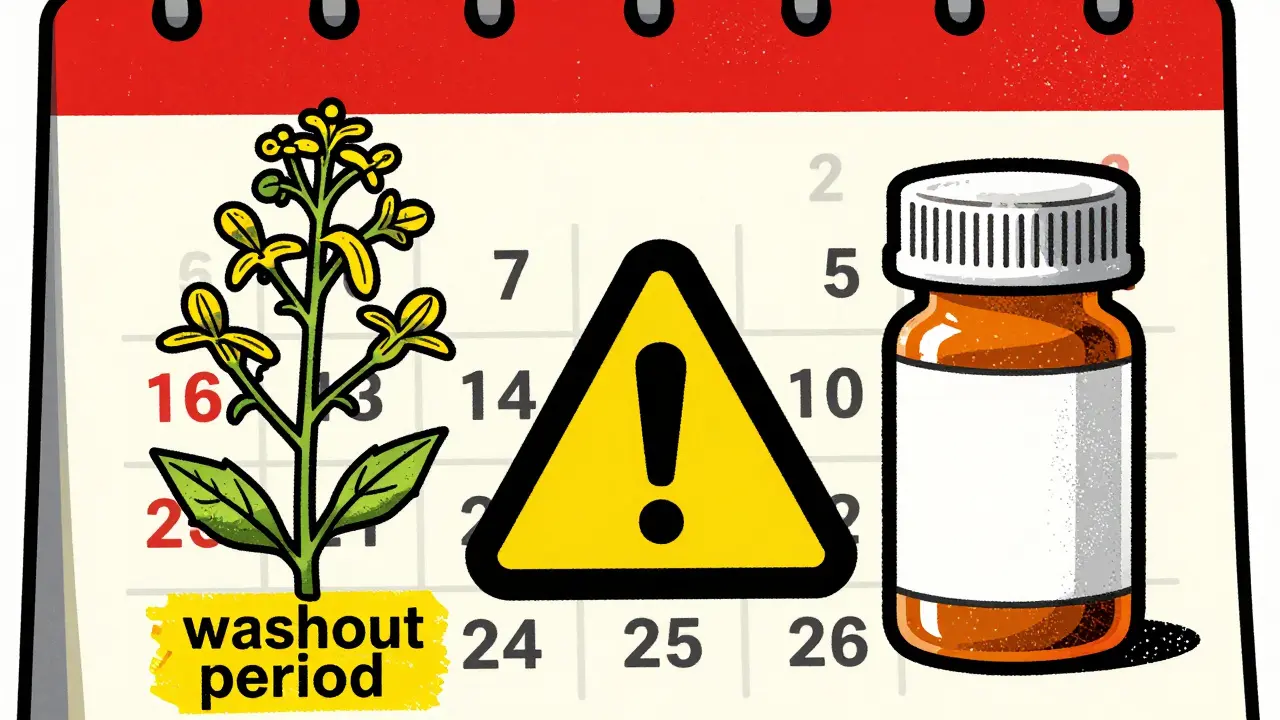
If you're considering a natural route for your mental health, don't do it in secret. The biggest danger isn't the supplement itself, but the fact that many people don't tell their doctors they're taking it. Because the liver-inducing effect lasts for up to two weeks after you stop taking the herb, you can't just stop the supplement on Monday and start a new medication on Tuesday.
If you are switching from a prescription antidepressant to St. John's Wort, the general rule of thumb is to wait at least 14 days. This "washout period" allows your brain chemistry to stabilize and prevents the risk of serotonin syndrome. Always check your supplement label for a "Drug Interaction Alert" symbol-the FDA has started requiring these to ensure people aren't flying blind.
The Future of Herbal Mood Support
Science is trying to find a middle ground. Researchers are currently developing "hyperforin-free" extracts. Since hyperforin is the part of the plant that triggers the liver enzymes, removing it could theoretically give you the antidepressant benefits without the dangerous drug interactions. Early trials show these modified extracts have a much smaller impact on other medications, but we're still waiting for these to become widely available and fully vetted.
Can I take St. John's Wort with my birth control pill?
It is highly discouraged. St. John's Wort can lower the concentration of the hormones in your birth control, significantly increasing the risk of contraceptive failure and unplanned pregnancy. Use a barrier method like condoms if you are using both, or consult your doctor for an alternative mood support.
What are the signs of serotonin syndrome?
Common symptoms include heavy sweating, a rapid heart rate (tachycardia), muscle rigidity or spasms, confusion, agitation, and high blood pressure. If you experience these after mixing antidepressants and herbal supplements, seek emergency medical care immediately.
How long does it take for St. John's Wort to stop affecting my liver?
The induction of liver enzymes generally persists for about two weeks after you stop taking the supplement. This is why a 14-day washout period is often recommended before starting new medications that have narrow therapeutic windows.
Is St. John's Wort safe for people with HIV?
No. It is specifically contraindicated for people taking protease inhibitors and certain non-nucleoside reverse transcriptase inhibitors. It can drastically reduce the blood levels of these drugs, leading to treatment failure and drug resistance.
Does every brand of St. John's Wort cause these interactions?
The severity depends on the amount of hyperforin in the product. Ethanol extracts tend to be more potent inducers of liver enzymes than CO2 extracts. However, most standard preparations contain enough hyperforin to cause clinically significant interactions.

This is so helpful! Thanks for sharing! 😊👍
Funny how they always push the 'dangerous' narrative whenever a plant actually works. Big Pharma is just terrified that we'll find a cheap way to feel better without paying for their overpriced chemicals. They want us scared and dependent on prescriptions that they control. Wake up people! The government loves it when we're too terrified to try natural remedies because that's how they keep the profit margins high. It's all a game to keep us sick and compliant. They'll tell you your liver is 'turbo-charging' but they won't tell you about the toxins in the tap water. Absolute propaganda.
You people just don't get it. Nature is power. If you can't handle a plant, you're just weak. Most of you are too lazy to actually study the energy of the herb and instead you just read a chart and panic. Stop being babies and start taking control of your own vibration. It's simple stuff really. If you feel the shift, you follow the shift. Most of you just follow the crowd because you're afraid to think for yourselves. Sad.
It is absolutely vital that patients communicate all supplements to their healthcare providers. Many people assume 'natural' equals 'safe,' but the CYP3A4 induction is a well-documented pharmacological process. If you are taking a narrow therapeutic index drug, like warfarin or cyclosporine, the margin for error is incredibly slim. I highly recommend keeping a written list of all your supplements to bring to every appointment to ensure your safety.
Oh wow, so basically we can't even be sad naturally anymore without accidentally causing an organ failure? What a fantastic time to be alive. I'll just add 'spontaneous transplant rejection' to my list of daily anxieties. Truly a thrill ride.
Exactly! It's all about knowing how the tools work. If you're looking for mood support, there are plenty of other options that don't mess with the CYP3A4 pathway. Just do a bit of research or talk to a professional before jumping in. Let's stay safe and healthy together!
It's just liver enzymes. They speed up and the drug goes away faster. Not that hard to understand.
The dichotomy between the synthetic and the organic is always framed as a conflict, yet the reality is a synthesis of both. The critique here is that the author treats the liver as a simple machine, ignoring the holistic interplay of the body's spiritual state. However, from a purely biological standpoint, the hyperforin interaction is undeniable. We must ask ourselves why we trust a pill more than a petal, or why we fear the petal when it interacts with the pill. It is a cycle of ignorance and fear.
listen to the experts folks dont play with your health like this just go see a doctor and get the right meds instead of guessing with weeds in a bottle
I appreciate the thorough explanation of the washout period. It is a critical detail that is often overlooked by patients. Ensuring that the liver enzymes return to baseline before introducing a new medication is the only way to avoid the severe complications mentioned, particularly serotonin syndrome.
This is honestly such a tragedy. I mean, imagine the sheer audacity of a plant just deciding to ruin your birth control. It's practically a soap opera plot. I'm just lounging here thinking about the chaos of it all. Absolute madness!
It is great to see that researchers are working on hyperforin-free versions! That sounds like a wonderful solution for everyone involved.
I totally agree that we should be careful!!! It is so important to check those labels... really... just be safe out there everyone!!!
I've seen a few people struggle with this in my community and it's always the same story. They just don't tell the doctor because they're embarrassed about taking 'natural' stuff. We really need to make it okay to talk about these things openly so we can support each other better! Let's keep the conversation going and share what we know!
Stay safe everyone. Just be mindful of your boundaries and what you put in your body.