Have you ever looked at a prescription bill and wondered if there was a cheaper option that wasn't the standard generic? Sometimes, the answer lies in a category called authorized generics. These are not your typical off-brand pills. They are the exact same medication as the brand-name version, made by the same company, but sold under a different label-usually without the fancy branding or high price tag. If you are trying to find these specific drugs, you need to know where to look because they do not show up in the usual places.
Finding information on authorized generics can feel like searching for a needle in a haystack. Unlike traditional generics, which are listed in the famous FDA Orange Book, authorized generics live in their own separate database. The U.S. Food and Drug Administration (FDA) maintains a specific list for them, mandated by law. However, this list has quirks, limitations, and gaps that many people overlook. In this guide, we will break down exactly how to access the FDA’s official list, what data it contains, and why you might need to cross-reference it with other sources to get the full picture.
What Is an Authorized Generic?
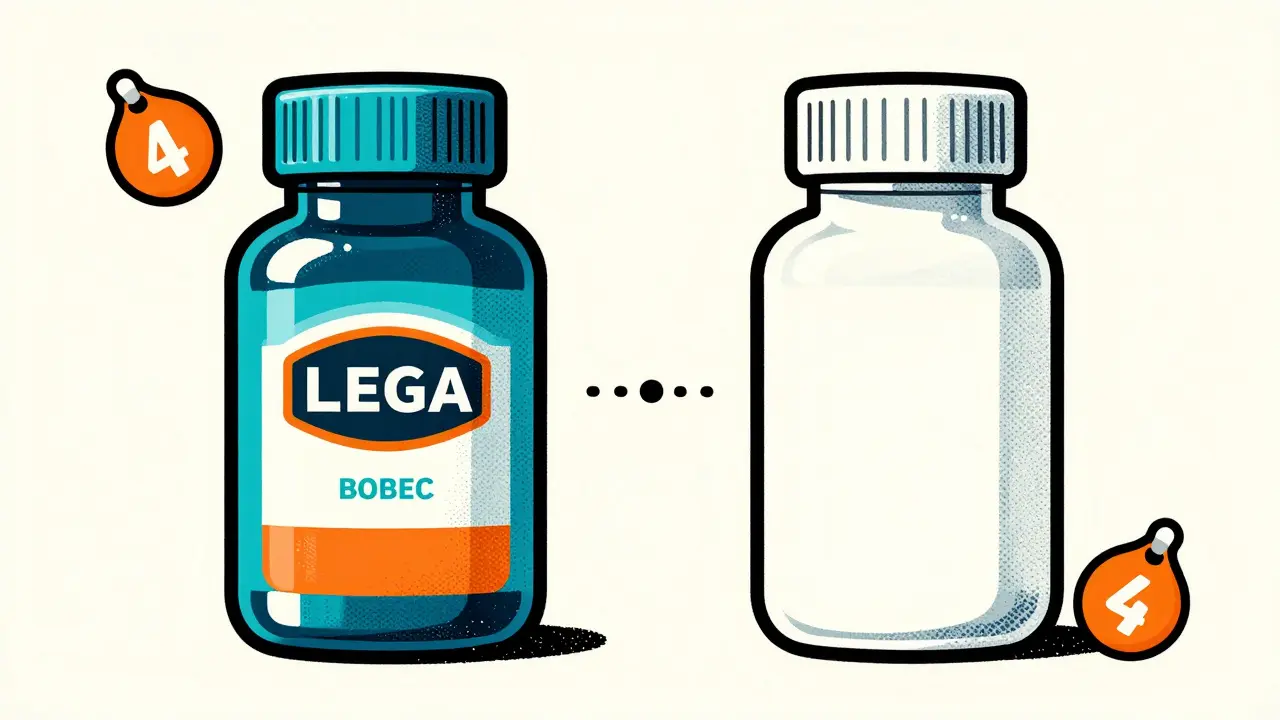
To understand the list, you first need to understand the product. An authorized generic is a drug that is identical to the brand-name version but marketed under a generic name or without the brand logo. Here is the key distinction: it is produced by the original brand manufacturer, not by a third-party generic company.
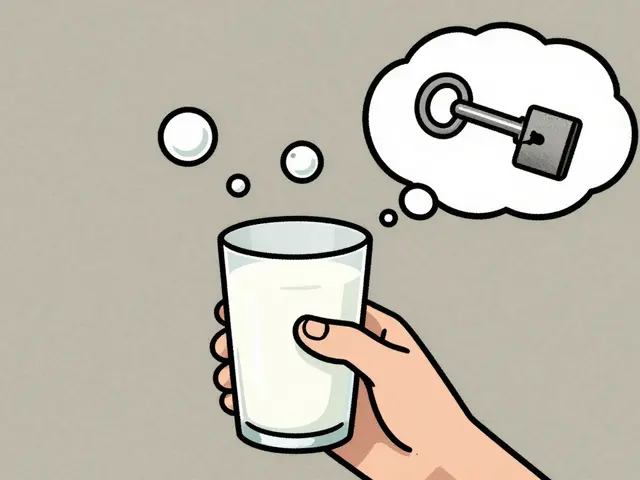
Think of it this way. Imagine a popular soda brand decides to sell the exact same soda in a plain white bottle with no logo, just to compete with cheaper store brands. That is essentially what an authorized generic is. Because it comes from the same factory and uses the same formula, it is therapeutically equivalent to the brand-name drug. This means it works the same way in your body, has the same strength, and meets the same safety standards.
The legal framework for these drugs comes from the Medicare Prescription Drug, Improvement, and Modernization Act of 2003. This act required the FDA to publish a complete list of all authorized generic drugs. Before this, these products were somewhat invisible to the public, hidden within the brand-name drug’s New Drug Application (NDA). Now, transparency is mandatory, though the execution has its challenges.
Where to Find the Official FDA List
You cannot find authorized generics in the FDA Orange Book. The Orange Book tracks traditional generics approved through Abbreviated New Drug Applications (ANDAs). Since authorized generics are marketed under the brand’s NDA, they bypass that system entirely. Instead, you must go directly to the FDA’s dedicated page for authorized generics.
Here is how to access the current data:
- Visit the FDA Website: Go to the FDA’s Drugs division page. Look for the section titled "FDA List of Authorized Generic Drugs." The direct URL typically resides under fda.gov/drugs/abbreviated-new-drug-application-anda/fda-list-authorized-generic-drugs.
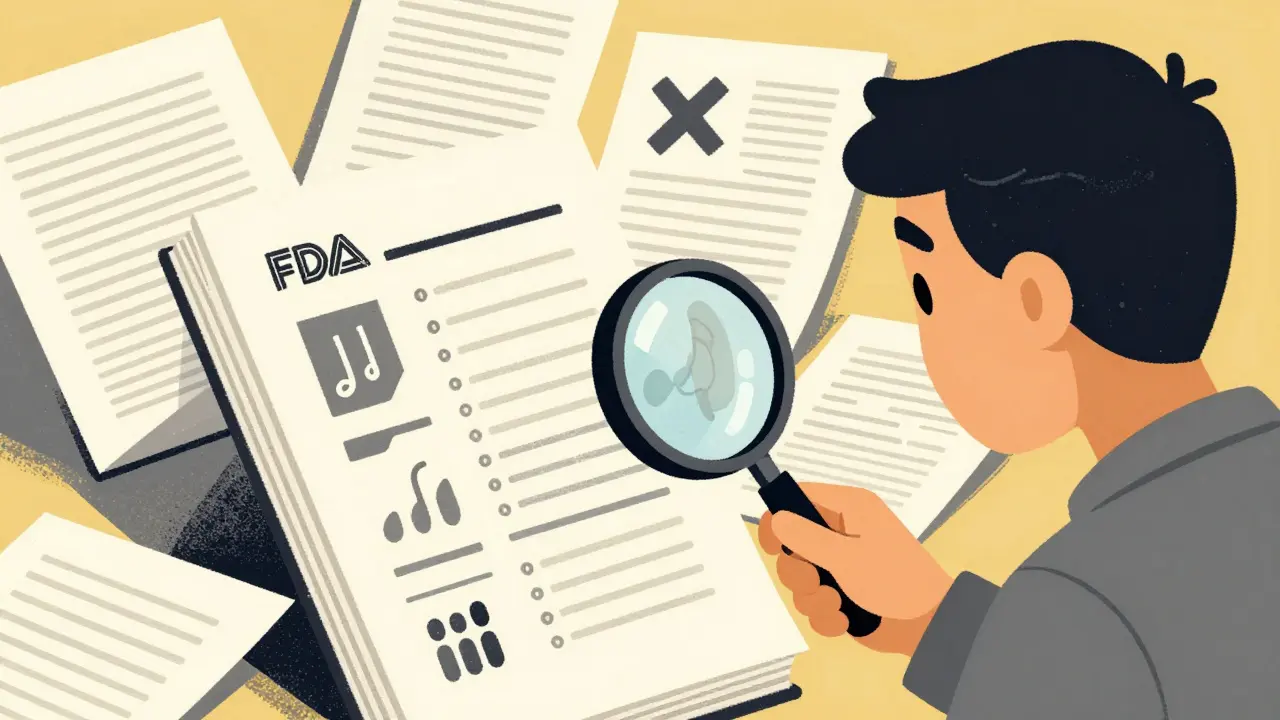
- Download the PDF: The list is maintained as a downloadable PDF document. As of late 2025, this file is updated quarterly. Make sure you download the most recent version, usually dated October, January, April, or July.
- Search the Document: Once downloaded, use your browser’s search function (Ctrl+F or Cmd+F) to look for specific drug names, manufacturers, or dates.
This PDF is the primary public resource for identifying these products. It serves as the central repository for transparency, allowing patients, pharmacists, and researchers to see which brand companies are offering lower-cost alternatives to their own patented drugs.
Understanding the Data in the List
When you open the FDA’s PDF list, you will see several columns of data. Knowing what each column means is crucial for using the list effectively. The document includes the following key attributes for each entry:
- Proprietary Name (Brand Name): The original trade name of the drug (e.g., ACTIQ, ARTHROTEC).
- Dosage Form and Strength: Details such as "lozenges 1200 mcg" or "tablets 50 mg/200 mcg."
- NDA Applicant Name: The manufacturer responsible for the drug. This is often the brand company itself (e.g., Pfizer Inc., Cephalon LLC).
- Date Authorized Generic Entered Market: The period when the drug was first reported as an authorized generic.
It is important to note a critical limitation regarding the date column. The FDA explicitly states that this date reflects the annual report period in which the authorized generic was first reported, not necessarily the exact day it hit the shelves. Annual reports are submitted periodically, so there can be a lag between actual market entry and the date shown on the list. For example, a drug might enter the market in March, but if it is reported in the June annual filing, the list may reflect that later timeframe.
Limitations and Gaps in the FDA List
While the FDA list is the authoritative source for *what exists*, it is not perfect for determining *what is available right now*. This is the biggest frustration for pharmacists and patients alike. The FDA acknowledges that the list does not track whether a drug is still being marketed. A product could have been discontinued years ago, yet it remains on the list because the FDA only updates based on new entries or corrections, not removals of inactive products.
For instance, independent pharmacy owners have reported finding products on the list that are no longer stocked by wholesalers. One pharmacist noted that out of eight products checked against the list, five were unavailable despite showing recent entry dates. This gap exists because the FDA relies on self-reporting by manufacturers. If a company stops selling an authorized generic, they are not always required to immediately notify the FDA to remove it from the historical list.
Additionally, the list may miss some authorized generics due to incomplete reporting. The Federal Trade Commission (FTC) has suggested that 10-15% of authorized generics might not appear on the FDA list because manufacturers fail to include them in their annual reports. This creates a blind spot for consumers looking for comprehensive options.
How to Verify Availability
Because the FDA list lacks real-time availability data, you should never rely on it alone to purchase a drug. To ensure you can actually get the medication, you need to cross-reference the FDA list with other resources.
Here is a practical workflow for verifying an authorized generic:
- Check the FDA List: Confirm the drug is listed as an authorized generic and note the manufacturer.
- Use the NDC Directory: Search the National Drug Code (NDC) Directory on the FDA website. This database provides more granular details about specific product codes and can help confirm if the NDC is active.
- Contact Your Pharmacist: Pharmacists have access to commercial databases like IQVIA or wholesaler inventory systems. Ask them if they can order the authorized generic from their supplier. They can check real-time stock levels.
- Compare Prices: Even if available, prices vary. Authorized generics are often cheaper than brand names but may not be as cheap as traditional generics. Your pharmacist can provide a cost comparison.
This multi-step process ensures you are not chasing a ghost. It bridges the gap between regulatory data and market reality.
Why Do Brand Companies Sell Authorized Generics?
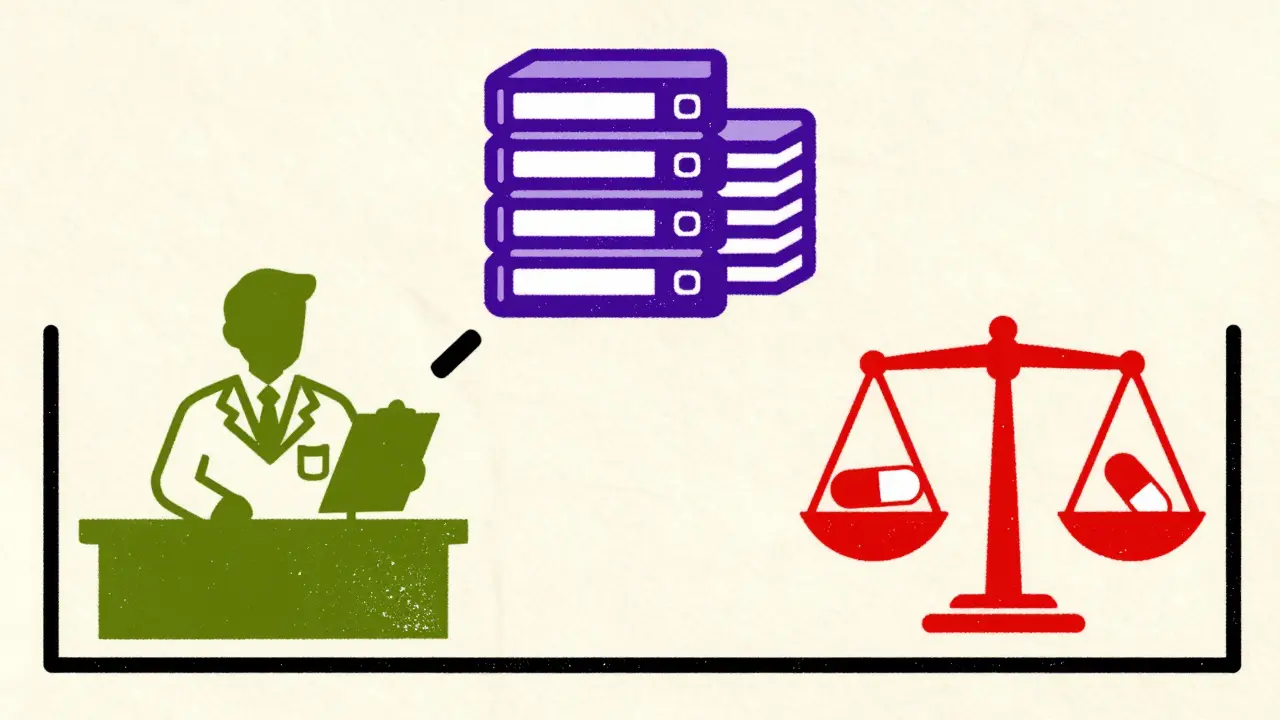
You might wonder why a big pharmaceutical company would undercut itself. The answer lies in competition strategy. When a brand-name drug loses its patent protection, traditional generic competitors flood the market, causing the brand’s price and sales to plummet. By introducing an authorized generic, the brand company can capture some of that generic market share.
They sell the same pill under a generic name, keeping the profit margin higher than if they lost all sales to third-party generics. It also allows them to maintain a presence in insurance formularies that prefer lower-cost options. According to market analysis, major players like Pfizer, Teva, and Viatris (formerly Mylan) are among the most active in this space. Pfizer, for example, has dozens of authorized generic products listed.
This strategy benefits the brand company financially, but it can also benefit consumers by providing a lower-cost alternative that is guaranteed to be identical to the brand. However, critics argue that authorized generics often enter the market at prices only slightly lower than the brand, offering minimal savings compared to true generics.
Future Changes to the List
The landscape for accessing this information is evolving. The FDA has recognized the limitations of the static PDF format. In their 2025 Strategic Plan, the Center for Drug Evaluation and Research (CDER) announced plans to transition to a dynamic, searchable database format by mid-2026. This change aims to address stakeholder requests for better search functionality and real-time updates.
Once implemented, this new system will likely allow users to filter by drug name, manufacturer, and status more easily. It may also integrate with other FDA tools, such as the Drug Shortage Portal, to provide a clearer picture of availability. Until then, the PDF remains the official source, requiring manual effort to navigate and interpret.
Is an authorized generic the same as a regular generic?
No, they are different in origin but identical in content. A regular generic is made by a different company than the brand-name manufacturer and must prove bioequivalence to the FDA. An authorized generic is made by the original brand-name company and is sold under a generic label. Both are therapeutically equivalent to the brand-name drug, meaning they work the same way in the body.
Can I ask my doctor to prescribe an authorized generic?
Yes, you can request it. However, authorized generics are often dispensed automatically if your insurance plan prefers them. You should talk to your pharmacist about availability and cost. Sometimes, specifying "dispense as written" for the brand name might prevent substitution, so clarify your preference with both your doctor and pharmacist.
Why isn't my drug on the FDA's authorized generic list?
There are several reasons. The drug might not have an authorized generic version yet. Alternatively, the manufacturer may not have reported it correctly in their annual filings, leading to a gap in the data. Finally, the drug might be a traditional generic from a third-party manufacturer, which would appear in the Orange Book instead of the authorized generic list.
Are authorized generics cheaper than brand-name drugs?
Usually, yes. Authorized generics are priced lower than the brand-name version to compete with traditional generics. However, they may not be as cheap as traditional generics from other manufacturers. The exact savings depend on the specific drug, the manufacturer's pricing strategy, and your insurance coverage.
How often is the FDA list updated?
The FDA updates the list quarterly, as mandated by the Medicare Prescription Drug, Improvement, and Modernization Act of 2003. Updates typically occur in January, April, July, and October. Always check for the most recent PDF version on the FDA website to ensure you have the latest data.