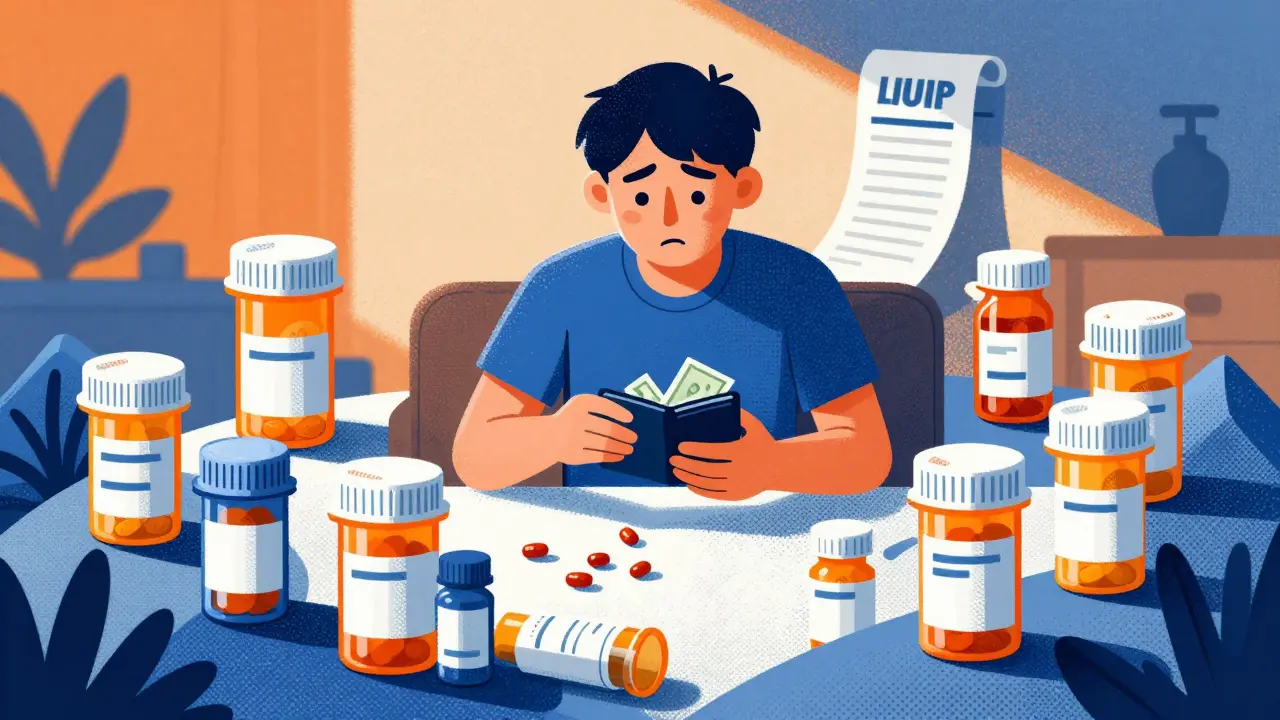
Imagine opening your wallet and seeing hundreds of dollars disappear into a pharmacy receipt every month, all for bottles you aren't entirely sure you still need. It is a frustrating reality for millions of people who find themselves taking more pills than ever, with prices rising faster than inflation. While we often accept increasing pill counts as part of aging or chronic illness, there is a powerful solution gaining traction in healthcare called deprescribing. It is not just about stopping medicine; it is a strategic partnership between you and your provider to trim the fat from your regimen while keeping the essential nutrients of your treatment intact.
This guide focuses on how to actively collaborate with your doctor to review your medication list, identify unnecessary treatments, and lower your healthcare bill without compromising your safety. By understanding the process, preparing effectively, and asking the right questions, you can take control of your health budget and reduce the risks associated with taking too many drugs.
Understanding Deprescribing and Why It Matters
At its core, Deprescribing is defined as the systematic process of identifying and discontinuing medications when their potential harms outweigh their benefits. This isn't a new idea, but it became a formal clinical concept around 2010-2012, driven by researchers who noticed a disturbing trend: patients were getting sicker because of their medicine, not their diseases. The goal is to improve patient safety first, with financial savings becoming a major secondary benefit as prescription drug costs have surged globally.
Many patients struggle with Polypharmacy, which is described as the concurrent use of five or more medications. Studies show this affects approximately 41% of older adults. When you pile multiple drugs together, the risk of side effects increases dramatically. For example, combining blood thinners with anti-inflammatory painkillers can trigger bleeding issues, or mixing sedatives can lead to dangerous falls. The US Deprescribing Research Network notes that 37% of medication-related hospitalizations in adults over 65 are preventable through deprescribing. Simply put, stopping the wrong pill can sometimes be safer and cheaper than starting a new one to fix a side effect caused by another.
The financial argument is just as strong as the medical one. Healthcare organizations like Kaiser Permanente launched initiatives that reduced inappropriate medication use by 35%, cutting costs by $1.2 million annually across their system. These savings don't just stay in hospital accounts; they ripple down to your wallet. Eliminating one unnecessary medication costing $50 a month saves you $600 a year, plus avoids the massive expense of a medication-related hospital stay.
Preparing for the Conversation: The Brown Bag Method
Talking to your doctor about stopping medication can feel daunting. Many doctors appreciate the initiative but lack the time or tools during a standard 15-minute visit to review everything deeply. To bridge this gap, you can adopt the "Brown Bag" strategy. This simple preparation technique involves bringing every single bottle, supplement, vitamin, and over-the-counter drug you currently take to your appointment in a large bag. Don't forget topical creams, eye drops, or herbal teas, as these count as active agents in your body.
American Academy of Family Physicians (AAFP) studies suggest this method identifies an average of 2.3 unnecessary medications per patient. The visual impact is powerful. Seeing six bottles lined up on the desk forces the issue into reality, whereas a verbal list often gets lost in charts. When you present the physical evidence, you signal to your doctor that you are ready for a comprehensive review. It removes the guesswork about what brands or dosages you are actually using versus what they think you are prescribed. This sets the stage for a focused discussion on whether each item on the table is still serving a critical purpose in 2026 and beyond.
| Action Item | Why It Helps |
|---|---|
| Gather all prescription and OTC bottles | Shows exact strengths and quantities used |
| List total monthly costs | Highlights financial burden clearly |
| Note any side effects | Connects symptoms to specific drugs |
| Bring previous blood test results | Provides objective data on necessity |

Key Questions to Determine Which Drugs Can Stop
Once you have opened the brown bag, you need to steer the conversation toward specific evaluation criteria. You shouldn't leave room for vague assumptions. The Beers Criteria is a widely recognized tool that lists 53 potentially inappropriate medications for older adults, but you don't need to memorize it. Instead, use the framework it provides to ask direct questions. For each medication, ask your doctor: "Why am I taking this specifically?" and "What happens if I stop?" This helps distinguish between preventative care for the distant future and immediate symptom management.
You also need to address the concept of therapeutic inertia-where doctors continue old prescriptions simply because "that's what he was always taking." Ask, "Can this cause falls or memory problems?" Many common drugs like antihistamines or certain sleep aids contribute significantly to confusion and balance issues in aging bodies. Another vital question is, "Is there a non-drug alternative?" Sometimes lifestyle changes or physical therapy replace the need for a muscle relaxer or low-dose antidepressant. The Lown Institute ranks deprescribing as the number one recommendation for reducing medication harm, validating that these queries are medically sound, not rebellious.
The Process: Tapering and Timing
If you and your doctor agree that a drug should go, do not expect to quit cold turkey. Most medications require a gradual reduction known as Medication Therapy Management. This is a systematic service where pharmacists and doctors help optimize drug therapy outcomes. Typically, the team reduces one medication at a time over a period of 4 to 12 weeks. This slow pace minimizes withdrawal effects and allows your body to adjust without crashing. For example, suddenly stopping beta-blockers or antidepressants can trigger dangerous rebound heart rate spikes or severe mood dips. A structured taper schedule tracks exactly how much dose to drop and when.
Maintaining a journal during this period is essential. Record your energy levels, sleep quality, and any new symptoms daily. This data helps differentiate between normal adjustment periods and actual adverse reactions. Monitoring prevents the cycle of panic that leads patients to restart meds unnecessarily. Regular follow-ups are mandatory, with recommendations suggesting annual comprehensive reviews, but for high-risk med changes, checks should happen every few weeks until stability is reached. Success looks like staying stable on fewer drugs with no return of the original symptoms.

Risks and Safeguards
While deprescribing offers clear advantages, it is not without risk. A study published in the BMJ found a 12% rebound effect in blood pressure when antihypertensives were discontinued too rapidly. This highlights why professional guidance is non-negotiable. Some medications serve dual purposes; for instance, an antidepressant might also manage chronic pain, and removing it requires a backup plan. Furthermore, 18% of patients who attempted self-directed deprescribing without physician guidance experienced adverse effects that required emergency attention, costing an average of $1,200 in unexpected expenses. Always involve a trained professional to assess if a drug is safe to withdraw based on your specific organ function and history.
Complexity arises in cases where medications mask underlying conditions. If you stop a statin early in the journey, your cholesterol might rise, requiring a different intervention rather than just restarting the same drug. That is why community pharmacists play a crucial role here; 85% offer free medication therapy management services that can identify redundancies a busy GP might miss. They act as the safety net, checking for interactions between the remaining drugs after a course is dropped. Ensuring you have a support network makes the financial savings sustainable and the medical outcome positive.
Financial Benefits and Real World Savings
The economic case for deprescribing grows stronger every year. Inflation in pharmaceuticals has outpaced general inflation by 3.4 times since 2014, squeezing household budgets. One successful patient story from the Deprescribing Network involved a 72-year-old woman who saved $840 annually by dropping three redundant supplements and sleep aids. She realized she didn't need the sleep aid anymore because her anxiety had improved, yet she continued paying for the habit. By calculating the cost per unit, you realize even cheap vitamins add up to significant yearly waste. Reducing two or three unnecessary prescriptions can free up hundreds of dollars monthly, money that can be redirected to nutrition, exercise, or other health supports that improve longevity without chemical dependence.
Is deprescribing safe for everyone?
It is safe when done under medical supervision. Attempting to stop medications without guidance can lead to withdrawal symptoms or rebound health issues, such as uncontrolled blood pressure.
How do I prepare for the appointment?
Use the "Brown Bag" method: bring every bottle, including vitamins and creams, to your visit. List your monthly costs for each item to highlight the financial impact.
What is the Beers Criteria?
It is a list of 53 medications considered potentially inappropriate for older adults due to higher risks of side effects compared to benefits.
Will insurance cover medication reviews?
Yes, many plans cover Medication Therapy Management (MTM), especially for members taking multiple high-cost drugs.
How long does the process take?
Typically, stopping one medication takes 4 to 12 weeks of tapering and monitoring to ensure stability and avoid withdrawal symptoms.