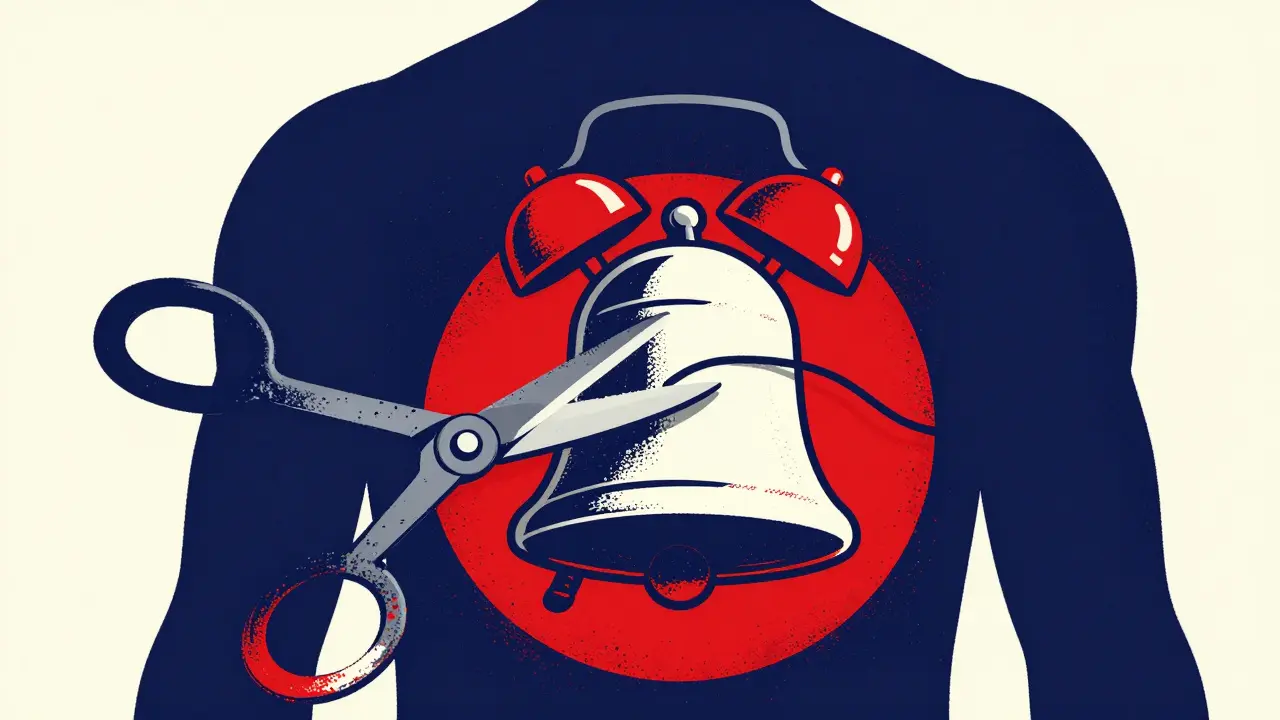
Hypoglycemia Warning Simulator
1. Select Your Medication
2. Monitoring Tools
3. Simulate Blood Sugar Drop
Click the symptoms below to see if your body's "alarm system" is still functioning under your selected medication.
Quick Safety Summary
- Beta-blockers mask the "adrenaline rush" (tachycardia, tremors) that usually warns you of low blood sugar.
- Sweating remains the most reliable warning sign because it uses a different chemical pathway.
- Some beta-blockers, like carvedilol, carry a lower risk of triggering severe lows than selective versions.
- Continuous Glucose Monitoring (CGM) is the gold standard for staying safe when using both medications.
The Hidden Danger of Hypoglycemia Unawareness
When your blood glucose dips, your body releases epinephrine (adrenaline). This is what causes the "shakes" and the pounding heart. However, beta-blockers are designed to block these very responses to protect your heart. The problem is that they don't just block the heart's reaction to stress; they block the warning signals of hypoglycemia, which is the clinical term for dangerously low blood sugar. This creates a state of hypoglycemia unawareness (HU). Instead of feeling shaky and eating a glucose tab, a person might slide straight into neuroglycopenia-where the brain doesn't have enough fuel. This can lead to confusion, loss of consciousness, or seizures without any prior warning. According to research by Martín-Timón, about 40% of people with type 1 diabetes already struggle with some level of unawareness; adding a beta-blocker to the mix can make a precarious situation life-threatening.Why Your Body Still Sweats
If beta-blockers hide almost everything, how do you know when you're in trouble? There is one critical loophole in the chemistry: sweating. Most hypoglycemia symptoms are mediated by the adrenergic system (which the medication blocks), but sweating is triggered by acetylcholine acting on nicotinic receptors. Because beta-blockers don't touch these specific receptors, sweating becomes your primary-and sometimes only-warning sign. If you are on these medications, you need to stop looking for the "shaky feeling" and start paying close attention to sudden, unexplained perspiration. It is the one alarm bell that the medication cannot silence.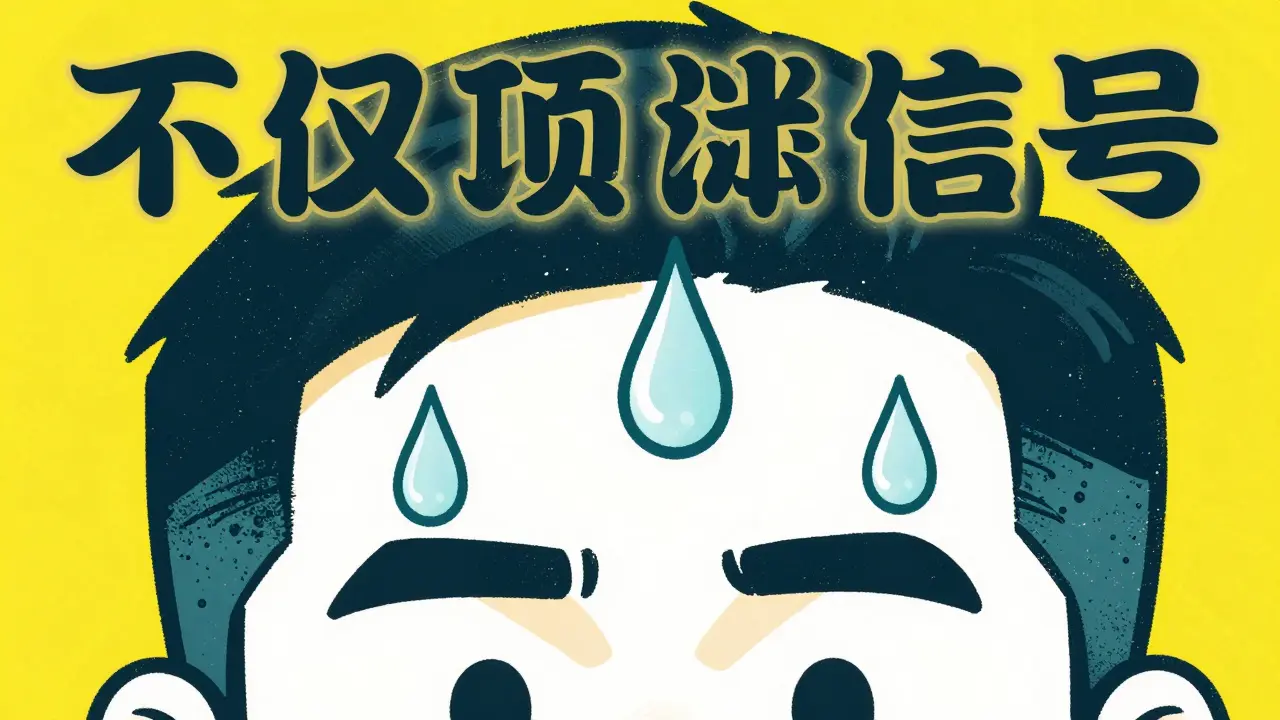
Not All Beta-Blockers Are the Same
It is a common mistake to think all heart medications work the same way. In reality, the type of beta-blocker you take significantly changes your risk profile. Doctors generally divide them into selective and non-selective agents.| Feature | Selective Beta-Blockers (SBBs) | Carvedilol (Non-selective/Mixed) |
|---|---|---|
| Symptom Masking | High (Strongly blocks warning signs) | Moderate (Lower impact on awareness) |
| Hypoglycemia Risk | Higher odds of severe events | Lower risk profile |
| Mortality Correlation | Associated with higher hospital mortality | Generally safer in high-risk patients |
| Primary Use | Hypertension, tachycardia | Heart failure, post-MI protection |
The Double Hit: Masking and Metabolic Blocking
Beta-blockers don't just hide the symptoms; they actually make it harder for your body to fix the problem. Normally, when your blood sugar drops, your liver releases stored glucose through a process called glycogenolysis. This is your body's natural backup generator. However, beta-blockade (specifically β2-blockade) inhibits the liver and muscles from releasing this glucose. You are hit with a "double whammy": you can't feel the low coming, and your body's internal rescue mechanism is chemically locked. This is why the first 24 hours of hospitalization are so critical; a huge percentage of these adverse events happen during this window as the body adjusts to the medication.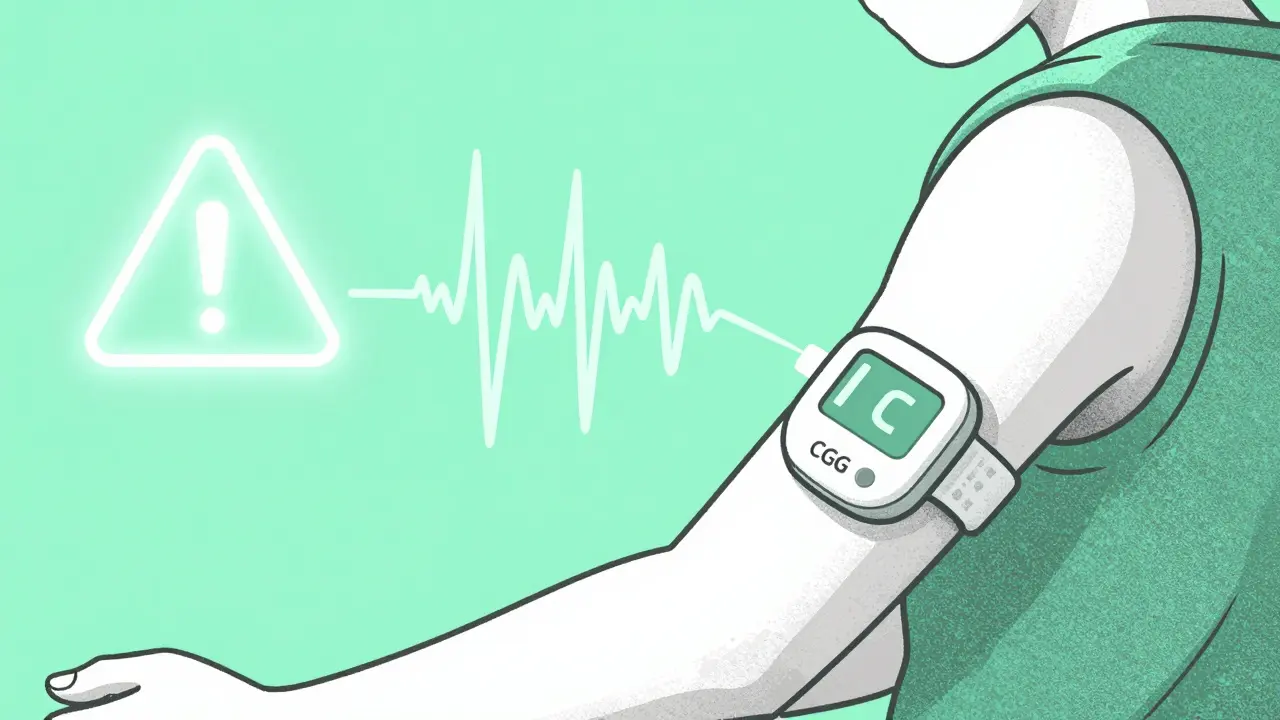
How to Stay Safe: A Practical Strategy
If you or a loved one is taking both insulin and a beta-blocker, you cannot rely on "feeling" your blood sugar. You need a system based on data, not intuition.- Prioritize Continuous Glucose Monitoring (CGM): Technology is the best defense. Since 2018, CGM use has surged among beta-blocker users because it provides real-time alerts. It can warn you that your sugar is dropping before you even start sweating.
- Set a Strict Testing Schedule: If you don't have a CGM, you must check your glucose manually. In high-risk settings, this means every 2 to 4 hours.
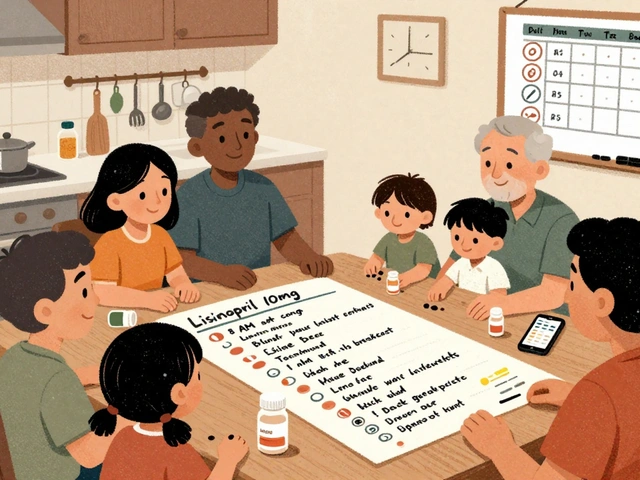
- Educate Your Circle: Make sure your family and coworkers know that you might not feel a "low." They should be trained to recognize signs of confusion or sudden sweating and know how to administer glucose gel or glucagon.
- Review Your Prescription: Talk to your doctor about whether a cardioselective agent or carvedilol is more appropriate for your specific risk level.
Balancing Heart Health and Glucose Control
It sounds scary, but it is important to remember why beta-blockers are prescribed. For someone who has had a heart attack, these drugs can reduce cardiovascular mortality by roughly 23-25%. You shouldn't simply stop taking them because of the hypoglycemia risk. Instead, the goal is "informed use." By shifting the focus from symptom-awareness to active monitoring and choosing the right drug molecule, you can get the heart-protective benefits without sacrificing your safety. The key is moving from a reactive approach (waiting to feel shaky) to a proactive approach (using a CGM and strict timing).Can beta-blockers actually cause low blood sugar, or do they just hide it?
They do both. While they are famous for masking the symptoms (like racing heart and tremors), they also interfere with the liver's ability to release glucose. This means they can actually make a hypoglycemic episode more likely and harder for the body to correct on its own.
Which beta-blocker is safest for someone with diabetes?
Based on current clinical data, carvedilol is often favored because it is associated with a lower risk of severe hypoglycemia compared to selective beta-blockers like metoprolol. However, the "safest" drug depends on your specific heart condition and should always be decided by a cardiologist and endocrinologist.
If I don't feel shaky, how will I know my sugar is low?
Watch for sweating. Because sweating is controlled by a different chemical pathway (acetylcholine) than the racing heart and shakes, it usually remains intact even when taking beta-blockers. Sudden perspiration is your most reliable physical warning sign.
Does this risk apply to both Type 1 and Type 2 diabetes?
Yes, but it is more common and often more severe in Type 1 diabetes. People with Type 1 are more likely to already have hypoglycemia unawareness, which makes the addition of a beta-blocker even more dangerous.
How does a CGM help with beta-blocker use?
A Continuous Glucose Monitor (CGM) provides a digital alarm. Since beta-blockers silence your body's internal alarm, the CGM replaces it with an external one, alerting you to a drop in glucose levels before you reach a critical state.
The pathophysiology of beta-adrenergic blockade certainly complicates the counter-regulatory response by inhibiting glycogenolysis and gluconeogenesis in the liver. It is essential to maintain a high index of suspicion for neuroglycopenia when the sympathoadrenal response is blunted by these agents. A transition to a non-selective agent with alpha-blocking properties, like carvedilol, can indeed mitigate the risk of severe hypoglycemia episodes while maintaining hemodynamic stability.
big pharma just wants us on cgms so they can track our every move and sell the data to insurance companies 🙄
It is quite fascinating how the medical establishment frames this as a "safety summary" while ignoring the systemic incentives to keep patients on a cycle of lifelong medication dependency. One might wonder if the preference for certain beta-blockers is based on clinical superiority or simply which pharmaceutical rep has the best dinner budget for the doctors.
This is such a helpful breakdown! 🌟 It's so important to know these things for our loved ones. Thanks for sharing! 😊
It's a reminder that our bodies are these complex, beautiful machines, but sometimes the chemistry gets a bit tangled. When we lose those internal signals, we have to lean on our community and technology to find our balance again. Be kind to yourselves if you're navigating this balance.
OH MY GOD! I can't even imagine the sheer terror of just passing out without any warning! It's absolutely haunting to think that a pill meant to help your heart could literally turn off your internal alarm system! I'm literally shaking just thinking about the danger!
I laely appreciate the tip about the sweeting part! I didn't know that was the main sign left over. So helpful for thse of us tryin to keep everyone safe at home ❤️
Precision in monitoring is non-negotiable. Compliance with CGM usage is the only acceptable standard here.
I honestly can't even deal with the stress of this because my anxiety is already through the roof and now I'm just spiraling thinking about how one little mistake with a prescription could lead to a total catastrophe 😭 Like, why does the world have to be this way where we have to choose between our heart and our brain not shutting down? It's just so unfair and I feel like I'm drowning in these medical complications and nobody even understands how exhausting it is to just exist with these fears every single day while trying to keep a brave face for everyone else 💔
Imagine not knowing the basic chemistry of your own meds 🙄 Typical 🇮🇳 health standards are way higher than this nonsense anyway 💅✨