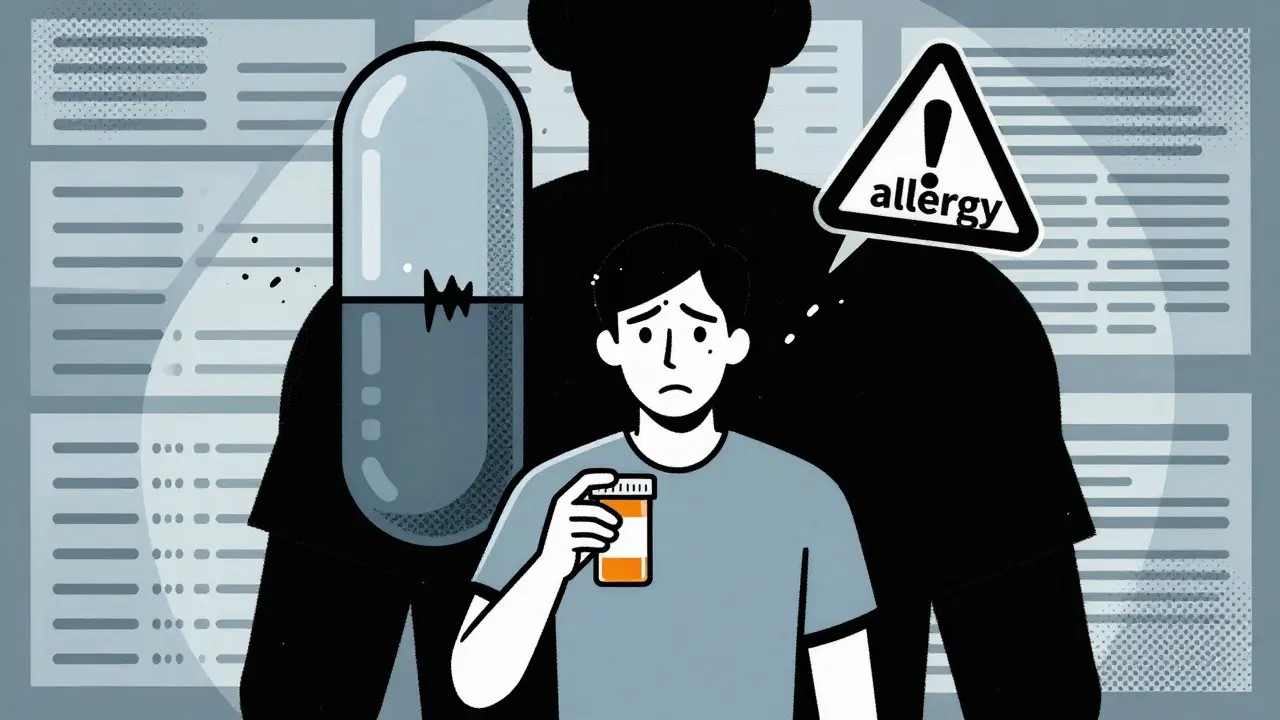
Imagine being told you can’t take the most effective antibiotic for your infection because of a rash you had as a child. It’s a scenario that plays out in clinics every day. You might have heard that penicillin is the most widely reported drug allergy, affecting approximately 10% of people. But here is the twist: recent studies indicate that up to 95% of those labeled as allergic can actually tolerate it safely after proper evaluation. The gap between what we think we’re allergic to and what our bodies truly reject is massive. Mislabeling doesn’t just limit your options; it forces doctors to prescribe broader-spectrum drugs that are more expensive, harder on your gut, and contribute to antibiotic resistance.
Understanding how to manage these labels isn’t just about avoiding a bad reaction. It’s about reclaiming access to the best treatments available. This guide breaks down how to distinguish true allergies from side effects, how to get tested, and what safe alternatives exist when you do need them.
Is It an Allergy or Just a Side Effect?
The first step in managing medication risks is realizing that not every bad reaction is an immune response. According to the Cleveland Clinic, less than 10% of all adverse drug reactions are true allergies. The rest are side effects or intolerances. Knowing the difference changes everything.
A true drug allergy is an immune system reaction where the body mistakenly identifies a harmless substance as a threat. This involves antibodies like IgE attacking the drug. Symptoms usually appear quickly-within minutes to hours-and can include hives, swelling, wheezing, or difficulty breathing. In severe cases, this leads to anaphylaxis, a life-threatening drop in blood pressure.
On the other hand, side effects are predictable responses to the drug’s mechanism. Nausea, diarrhea, or a mild headache from painkillers are common examples. Even some rashes aren’t allergic. For instance, amoxicillin often causes a viral-like rash in kids with mono (mononucleosis), but that’s not an allergy. If you only had a stomach upset years ago, you likely don’t have a penicillin allergy. Confusing these two leads to unnecessary restrictions. Always ask yourself: did I have skin issues, breathing trouble, or swelling? Or was it just a tummy ache?
Why Documentation Matters More Than You Think
If you’ve ever switched doctors or hospitals, you know medical records don’t always talk to each other. This fragmentation is dangerous. A study in JAMA Network Open found that 43% of drug allergy information was missing or inconsistent during care transitions. That means your new doctor might see "Penicillin Allergy" in your chart and assume it’s verified, even if it wasn’t.
Proper documentation saves lives and prevents overtreatment. The National Institute for Health and Care Excellence (NICE) guidelines mandate specific data points for recording allergies. When you report an allergy, ensure your provider notes:
- The generic and brand name of the drug.
- The exact reaction (e.g., "hives," not just "allergy").
- The date and time of the reaction.
- How many doses were taken before symptoms started.
- The route of administration (pill, injection, etc.).
- Which specific drugs or classes to avoid.
Vague entries like "adverse reaction" force clinicians to guess. Specificity allows them to make safer choices. If your record says "rash, no itching, took one pill," a specialist might clear you for future use. If it says "swelling of throat," they’ll steer clear. Carry a wallet card listing your confirmed allergies and reactions. It’s a simple habit that bridges gaps between healthcare systems.
Getting Tested: Removing the Label
Living under a false allergy label has real costs. Patients with documented penicillin allergies face 30% longer hospital stays and higher rates of Clostridium difficile infections, a serious gut condition caused by broad-spectrum antibiotics. The financial toll is also steep, with mislabeling contributing to $1.2 billion in extra annual healthcare costs in the US alone.
The good news? You can likely remove that label. The process starts with a consultation with an allergist. They will review your history to determine if you’re low-risk. If so, they may proceed with skin testing. This involves injecting small amounts of benzylpenicilloyl polylysine is a major determinant used in penicillin skin tests to detect IgE-mediated allergies and minor determinants into your skin. If there’s no bump or redness, you move to an oral challenge-a supervised dose of the actual drug.
Studies show that over 95% of patients who undergo this evaluation tolerate penicillin without issue. Dr. Elina Jerschow from Montefiore Medical Center notes that 90% of labeled patients can safely receive penicillin after evaluation. This isn’t just about convenience; it’s about health. Being cleared means you can use first-line treatments for strep throat, syphilis, and heart surgery prophylaxis, which are cheaper, more effective, and preserve your gut microbiome.

Safe Alternatives When Testing Isn’t an Option
Sometimes, testing isn’t possible, or you have a confirmed high-risk allergy. In these cases, finding safe alternatives is crucial. Not all antibiotics work the same way, and choosing the wrong one can lead to treatment failure.
| Drug Class | Common Examples | Best Used For | Key Considerations |
|---|---|---|---|
| Macrolides | Azithromycin, Clarithromycin | Respiratory infections, Strep throat | Higher cost (~$26 vs $4 for penicillin); risk of GI upset |
| Fluoroquinolones | Levofloxacin, Moxifloxacin | Complex urinary tract infections | Risk of tendon damage; reserved for severe cases due to resistance concerns |
| Tetracyclines | Doxycycline | Lyme disease, acne, certain STIs | Not effective for all bacterial types; sun sensitivity side effect |
| Cephalosporins | Ceftriaxone, Cephalexin | Wide range of infections | Low cross-reactivity (<1-2%) with penicillin; generally safe for most |
Note the entry on cephalosporins. Old textbooks warned of high cross-reactivity between penicillins and cephalosporins. Modern CDC guidelines clarify that the risk is very low, especially with third-generation cephalosporins like ceftriaxone. Unless you’ve had a severe anaphylactic reaction to penicillin, your doctor might still consider these. Always discuss cross-reactivity risks with your prescriber.
Desensitization: When There Is No Alternative
Some conditions demand penicillin. Neurosyphilis, congenital syphilis in newborns, and endocarditis are examples where penicillin is the gold standard. If you have a confirmed allergy, you can’t just switch drugs. Instead, doctors use drug desensitization is a protocol involving gradually increasing doses of the offending drug to induce temporary tolerance.
This isn’t a cure. It temporarily tricks your immune system into accepting the drug. The process starts with a tiny dose-often too small to cause a reaction-and increases every 15 to 30 minutes over several hours. Success rates exceed 80% for penicillin when performed by experienced allergists in monitored settings. Once the full therapeutic dose is reached, you must continue taking the drug daily to maintain tolerance. If you miss a dose, the allergy returns, and you’d need to restart the process. This is strictly for medically necessary cases and should never be attempted outside a controlled clinical environment.

Treating Acute Reactions: What to Do Now
If you suspect you’re having an allergic reaction while taking a new medication, stop immediately. Don’t wait to see if it gets worse. Call emergency services if you experience:
- Trouble breathing or wheezing.
- Swelling of the lips, tongue, or throat.
- Dizziness or fainting.
- Rapid heartbeat.
For milder symptoms like hives or itching, antihistamines like diphenhydramine (Benadryl) can help. Corticosteroids may be prescribed for more persistent inflammation. However, epinephrine is the only first-line treatment for anaphylaxis. It works fast to raise blood pressure and open airways. If you carry an EpiPen, use it at the first sign of severe symptoms. Time is critical. After any reaction, document the event thoroughly and seek follow-up care to update your allergy profile.
Preventing Future Issues: Proactive Steps
Managing medication allergies isn’t a one-time task. It’s an ongoing part of your health maintenance. Here’s how to stay proactive:
- Review your list annually. Ask your primary care provider if any listed allergies need verification. Many childhood allergies fade.
- Carry a wallet card. List your confirmed allergies, the reaction type, and the date of last testing. Include your allergist’s contact info.
- Inform all providers. Tell dentists, surgeons, and pharmacists about your allergies before any procedure or prescription. Don’t assume they checked your chart.
- Ask about generics. Sometimes the inactive ingredients in a brand-name drug cause reactions, not the active ingredient. Switching brands might solve the problem.
- Stay updated on guidelines. Organizations like the CDC and AAAAI regularly update recommendations. The "Choose Penicillin" initiative, launched in 2023, aims to reduce inappropriate labeling. Stay informed through reputable health sources.
Remember, the goal isn’t to fear medications. It’s to use them wisely. By clarifying your status, you protect yourself from unnecessary risks and ensure you get the most effective care. Whether you’re cleared for penicillin or need a macrolide alternative, accurate information empowers you and your healthcare team to make the best decisions together.
Can you outgrow a penicillin allergy?
Yes, many people outgrow their penicillin allergy over time. Studies show that up to 80% of individuals with a documented penicillin allergy lose their sensitivity within ten years. This is why periodic re-evaluation by an allergist is recommended, especially if the original reaction occurred in childhood.
What is the difference between a drug allergy and a side effect?
A drug allergy is an immune system response involving antibodies, leading to symptoms like hives, swelling, or breathing difficulties. Side effects are predictable physiological responses, such as nausea or drowsiness, that do not involve the immune system. True allergies are rare, accounting for less than 10% of adverse drug reactions.
Is it safe to take cephalosporins if I’m allergic to penicillin?
For most patients, yes. Current CDC guidelines indicate that the cross-reactivity between penicillin and third-generation cephalosporins like ceftriaxone is very low (less than 1-2%). However, if you have a history of severe anaphylaxis to penicillin, your doctor may exercise caution or choose a different class entirely.
How much does penicillin allergy testing cost?
Costs vary by location and insurance coverage. In the US, out-of-pocket expenses can range from $200 to $1,000 for skin testing and oral challenges. However, the long-term savings from using cheaper, first-line antibiotics and avoiding complications often outweigh the initial testing cost. Check with your insurer for coverage details.
What should I do if I have a mild rash after taking an antibiotic?
Stop taking the medication and contact your doctor. A mild rash could be a side effect or a mild allergic reaction. Your provider may recommend antihistamines or switching to a different antibiotic. Do not ignore the rash, as it could worsen. Document the reaction carefully for future reference.
Are natural remedies safe for treating infections instead of antibiotics?
Natural remedies are not substitutes for antibiotics in treating bacterial infections. Untreated bacterial infections can lead to serious complications, including sepsis. While some supplements may support general immunity, they do not kill bacteria effectively. Always follow your doctor’s prescribed treatment plan.