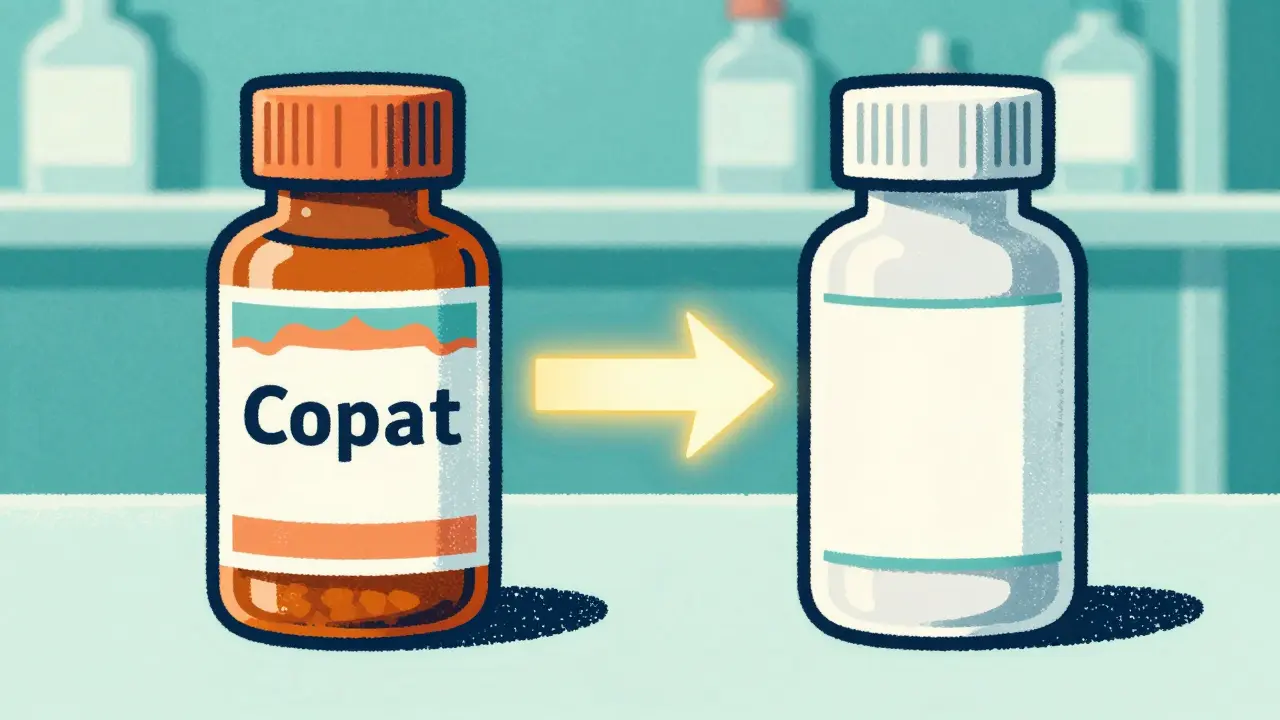
Imagine walking into your pharmacy and being told your usual brand-name medication is now available as a generic, but it's not a "typical" generic. The pharmacist calls it an authorized generic. You might wonder if this is just a marketing trick or if the medicine inside the bottle is actually the same. The short answer is yes: an authorized generic is an approved brand-name drug that is marketed without the brand name on its label . It is the exact same product, just with a different sticker on the box.
For many people, switching from a brand they trust to a generic can feel risky. There is often a worry that "cheaper" means "lower quality" or that different fillers might cause a reaction. This is where authorized generics bridge the gap. They offer the cost savings of a generic with the exact chemical makeup of the brand, removing the guesswork from the equation.
| Feature | Brand Name Drug | Authorized Generic | Typical Generic |
|---|---|---|---|
| Active Ingredient | Original Formula | Identical to Brand | Bioequivalent |
| Inactive Ingredients | Specific Brand Mix | Identical to Brand | May Vary (Fillers/Dyes) |
| FDA Approval Path | NDA | NDA (Same as Brand) | ANDA |
| Orange Book Listing | Listed | Not Listed | Listed |
| Cost | Highest | Lower | Lowest |
The Regulatory Secret: Why Authorized Generics Are Different
To understand why these drugs are equivalent, you have to look at how the FDA (Food and Drug Administration) approves them. Most generics go through an ANDA (Abbreviated New Drug Application). In that process, the generic company has to prove that their version is "bioequivalent"-meaning it works in the body in the same way as the brand. However, they don't have to use the exact same inactive ingredients, like binders or coatings.
Authorized generics take a different path. They are approved under the original NDA (New Drug Application) of the brand-name drug. Essentially, the company that invented the drug decides to sell the exact same pill they've been making, but they take the brand name off the label. Because they use the same manufacturing plant, the same raw materials, and the same quality controls, there is no "difference" to test for. They aren't just similar; they are identical.
This regulatory quirk means you won't find authorized generics in the "Orange Book," which is the FDA's famous list of therapeutically equivalent generic drugs. That's not because they aren't equivalent-it's actually because they are so similar that they don't need a separate equivalence evaluation. They are already the brand drug.
Therapeutic Equivalence in the Real World
Does this identity translate to the same results in your body? The consensus among medical experts is a resounding yes. Former FDA Director Dr. Janet Woodcock has noted that these products provide the same therapeutic effect as the brand-name version because the formulation doesn't change. Whether you take the brand or the authorized generic, the dose and the delivery method are the same.
A large-scale retrospective study involving over 5,000 patients compared those who switched to typical generics versus those who switched to authorized generics. The results showed that for the vast majority of people, there was no clinical difference. Rates of hospitalizations and urgent care visits remained virtually the same across both groups. This suggests that the "fear" of switching to a generic is often more about the psychology of the brand than the actual chemistry of the medicine.
However, it's worth mentioning that some doctors are more cautious with Narrow Therapeutic Index (NTI) drugs. These are medications where a tiny change in the dose can lead to a big change in how the drug works (like some blood thinners or seizure meds). In these specific cases, the absolute identity of an authorized generic is a huge advantage, as it eliminates any worry about minor batch variations that can sometimes happen with typical generics.
Navigating the Pharmacy: What You Need to Know
If you're looking to save money but are nervous about moving away from your brand-name med, here is how to handle the conversation at the pharmacy. First, understand that your pharmacist might see a different NDC (National Drug Code) for the authorized generic. This is just a tracking number for the packaging; it doesn't mean the medicine is different.
You should also be aware of the pricing. Authorized generics often sit in a "middle ground." They are usually cheaper than the brand name, but sometimes they cost a bit more than the most basic generic. This is because the brand company uses them as a strategic tool to keep a foothold in the market once their patent expires.
If you have a strong reaction to a specific dye or filler in typical generics, specifically ask your doctor if an authorized generic is available. Since the inactive ingredients are identical to the brand, you avoid the risk of a reaction to a new filler while still lowering your out-of-pocket costs.
The Big Picture: Market Strategy vs. Patient Benefit
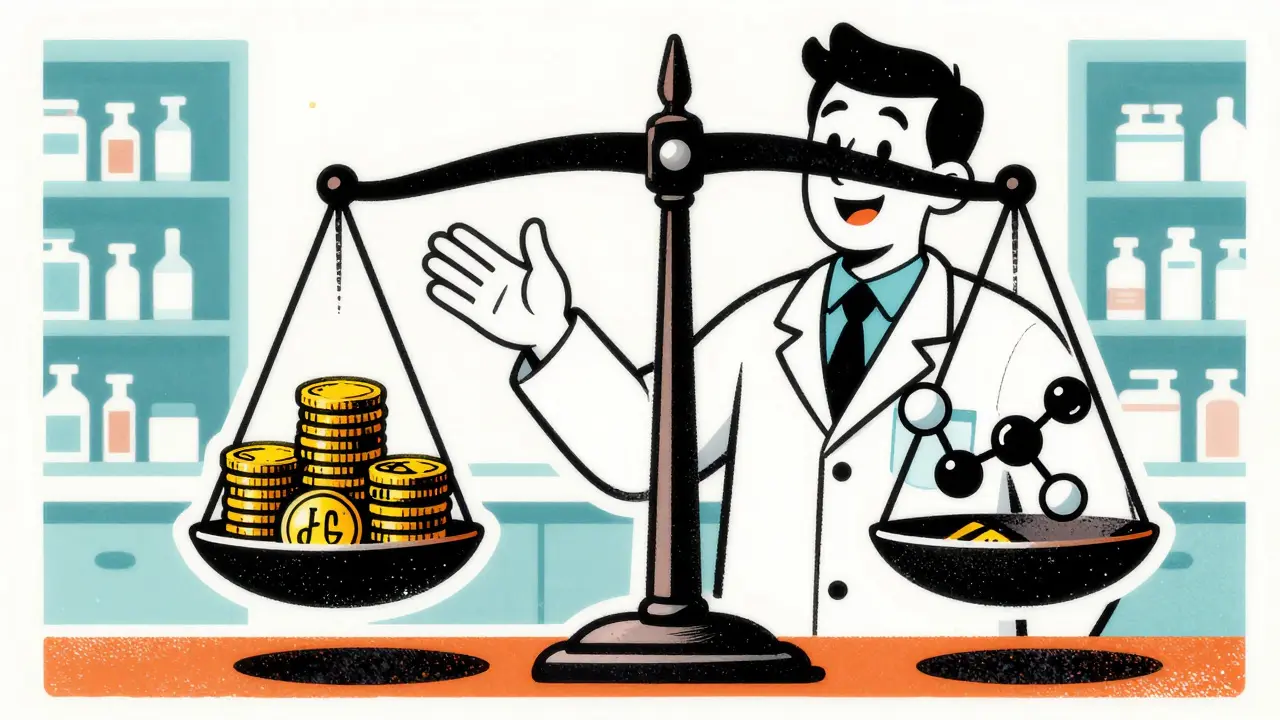
While the clinical side is clear, the business side of authorized generics is a bit more complex. Under the Hatch-Waxman Act, brand companies have several ways to manage their patents. Sometimes, a brand company will launch an authorized generic to compete with other generic manufacturers. Some critics argue this is a tactic to keep prices slightly higher than they would be if only typical generics existed.
Despite the corporate maneuvering, the benefit to the patient remains. For the person sitting in the pharmacy chair, an authorized generic is a win-win. You get the peace of mind that you are taking the exact same formula that was originally FDA-approved, but you don't have to pay the "brand premium" price.
Are authorized generics the same as typical generics?
No. Typical generics are made by different companies and must prove they are bioequivalent to the brand. Authorized generics are made by the brand company itself (or under its license) and are the exact same formulation, including the same inactive ingredients.
Why are authorized generics not listed in the FDA Orange Book?
The Orange Book lists drugs approved via the ANDA process. Because authorized generics are approved under the original brand's NDA, they are considered the same product and aren't listed separately as generic alternatives.
Will my insurance cover an authorized generic?
Most insurance plans do, but because they have a different NDC than the brand and typical generics, your coverage level might vary. It's best to check with your provider to see if they prefer a specific generic version.
Can an authorized generic look different from the brand?
Yes. Due to trademark laws, generics cannot look exactly like the brand-name drug. While authorized generics often look more similar because they come from the same factory, the color or shape may still differ slightly.
Are they safer than typical generics?
Both are safe and meet strict FDA quality standards. However, for people sensitive to inactive ingredients (fillers and dyes), authorized generics are "safer" in the sense that they guarantee no change from the brand formulation.
What to Do Next
If you are currently taking a brand-name medication and want to save money without changing your formula, start by asking your pharmacist: "Is there an authorized generic available for this drug?" If they say yes, you can move forward knowing the chemistry hasn't changed.
For those on high-risk medications, like anticoagulants or anti-epileptics, mention this to your prescribing doctor. They can help you determine if the absolute identity of an authorized generic is necessary for your specific health needs or if a typical bioequivalent generic is sufficient. In most cases, as long as the FDA has approved the product, you can expect the same clinical outcome.

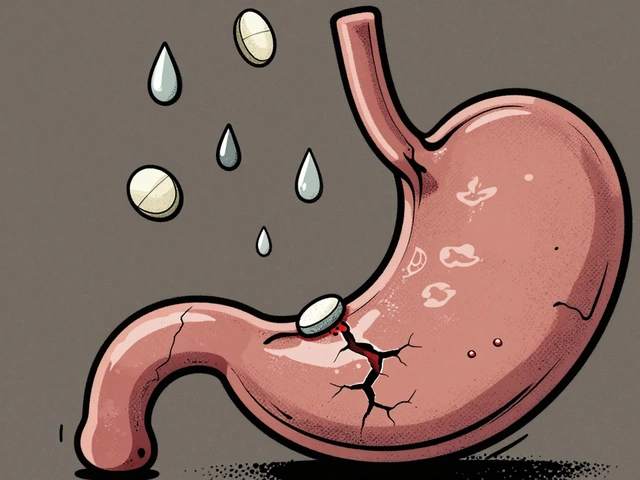
Actually just to add to this most people don't realize that the FDA has a very strict range for bioequivalence usually between 80% and 125% of the brand name Cmax and AUC which is why typical generics are still totally safe 💊✨ but the authorized ones are just the icing on the cake for those with sensitive stomachs! 😊
oh wow so the pharmaceutical companies just basically slap a different sticker on the same box and we're supposed to be all thrilled about it because it's only slightly cheaper... absolutely shocking that they'd do that 🙄
it's all very friendly and professional on the surface but you have to wonder why the government lets these giants decide who gets the NDA path versus the ANDA path because it smells like a closed loop where they control the supply chain and the pricing just to keep the populace dependent on a system that pretends to be for our health while actually just optimizing for quarterly dividends and keeping the real formula secrets hidden in plain sight for those of us who actually look at the data
absolute corporate greed masquerading as a convenience. these vultures just play with the labels to keep their grip on the market and we're all just pawns in their little game of pharmaceutical chess
The NDC tracking number is the only thing that actually matters here because if you don't cross-reference that with the manufacturer's registry you're basically guessing who made your meds
Omg why is everyone so stressed about this? Just ask the pharmacist and move on 💅 I personally can't stand the thought of a "typical" generic anyway because the dyes are always so tacky 🙄🙄
It is really helpful to have this breakdown so people can make an informed choice with their healthcare providers without feeling overwhelmed by the terminology.
this is such a win for everyone who wants to save a bit of cash but is still nervous about their meds!! let's all just be proactive and talk to our doctors about this
so exciting to see more options for patients
typical American bureaucracy at its finest 🙄 just let the free market handle it instead of these endless FDA loops and NDA nonsense! we need real competition not these corporate-sanctioned "authorized" shells @_@
The pharmacodynamic profile is virtually indistinguishable!!! One must consider the pharmacokinetic variance in NTI medications specifically!!! The volatility is simply unacceptable!!!
i just think its kind of wild how we all just accept the way pharmacy pricing works in this country like we just walk in and hope the insurance covers it and it's really nice that some people are actually looking into the differences between these drug types because i remember my aunt had a huge reaction to a filler in a generic once and she didnt even know why it was happening for the longest time and just having this kind of info out there makes the whole process feel a little less scary for people who are just trying to get through their day without worrying about a medical emergency caused by a dye they didnt know was in their pill
I appreciate the clarity on the NTI drugs.