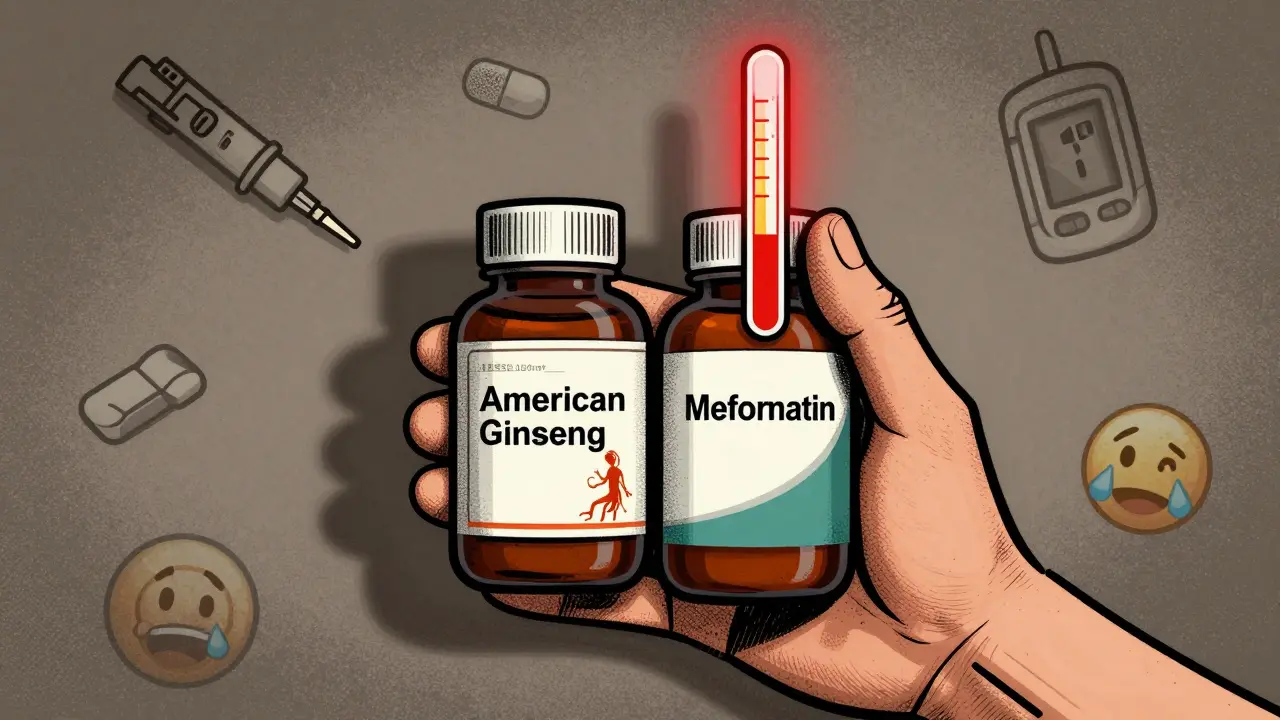
Ginseng-Diabetes Medication Interaction Checker
Check Your Ginseng Medication Safety
This tool helps you understand potential blood sugar risks when combining ginseng with your diabetes medications. Results are based on clinical evidence from the article and should not replace professional medical advice.
When you’re managing type 2 diabetes, every supplement you take matters. Even something as natural as ginseng can change how your diabetes medications work-and not always in a good way. Many people turn to ginseng because it’s been used for centuries in traditional medicine to boost energy, reduce stress, and help control blood sugar. But here’s the catch: if you’re already taking insulin, metformin, or other drugs to lower your blood sugar, adding ginseng could push your levels too low. And that’s dangerous.
How Ginseng Affects Blood Sugar
Ginseng isn’t just a trendy herbal powder. It contains active compounds called ginsenosides, which have been shown in clinical studies to help the body manage glucose more effectively. Research published in the Review of Ginseng Anti-Diabetic Studies (2020) found that both Asian ginseng (Panax ginseng) and American ginseng (Panax quinquefolius) can reduce fasting blood glucose levels. One study with 74 adults with type 2 diabetes showed a drop of 0.71 mmol/L after 12 weeks of taking 3 grams of American ginseng daily. That’s a measurable, real-world effect.
But how does it work? Ginsenosides appear to do a few key things:
- Help the pancreas release insulin more efficiently
- Improve how muscle and fat cells take up glucose
- Reduce insulin resistance
- Lower inflammation and fight oxidative stress
These effects sound great-until you realize they’re working alongside your prescribed diabetes meds. And that’s where things get risky.
The Risk: Too Much of a Good Thing
Diabetes medications like insulin, sulfonylureas (e.g., glimepiride), and even metformin are designed to bring blood sugar down. Ginseng does the same thing-just through different pathways. When you combine them, you’re essentially doubling down on blood sugar reduction. The result? Hypoglycemia.
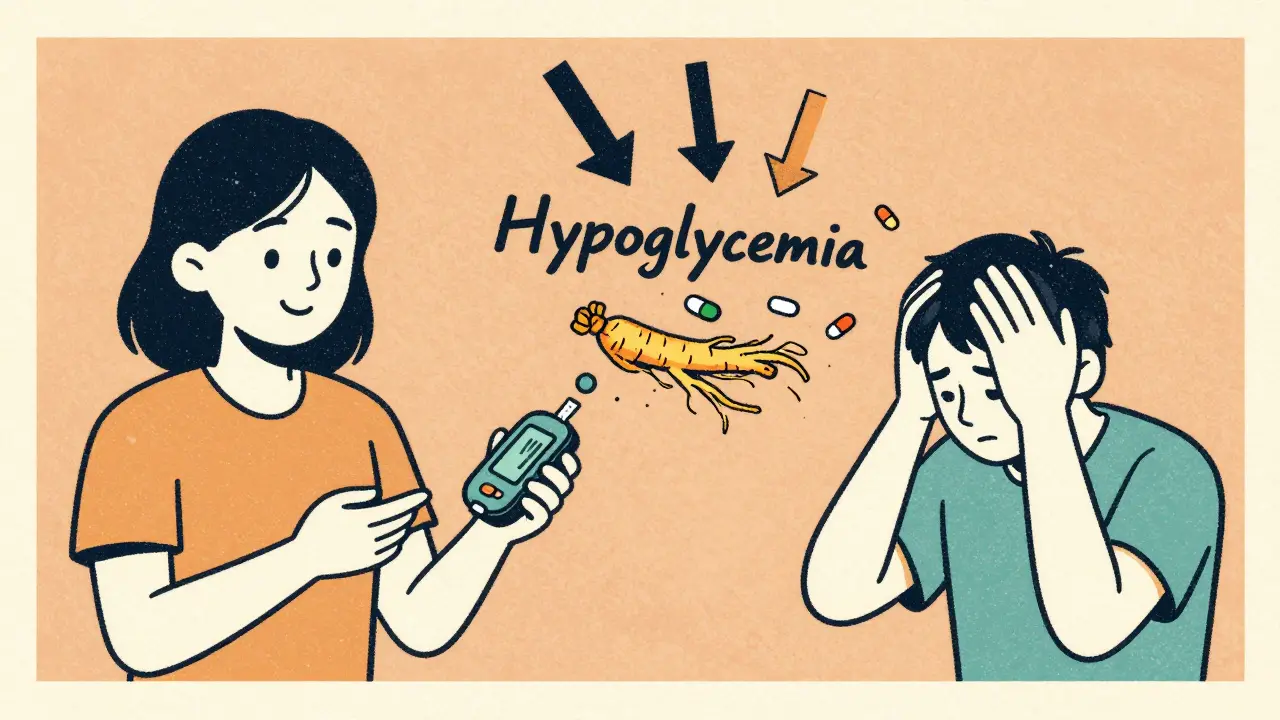
The Merck Manual (2023) explicitly warns that ginseng can interact with “medications that decrease blood sugar levels.” WebMD and the Cleveland Clinic both say the same thing: ginseng may lower blood sugar too much. That means you could start sweating, shaking, feeling dizzy, or even passing out-not because you skipped a meal, but because your supplement is making your medication work harder than intended.
One study of 74 diabetic patients found no major safety issues with ginseng over 12 weeks, but that doesn’t mean it’s safe for everyone. Blood sugar reactions vary wildly from person to person. Someone on a low dose of glipizide might handle ginseng fine. Another person on insulin might crash into hypoglycemia within days.
What Kind of Ginseng Matters
Not all ginseng is the same. And this isn’t just a marketing gimmick-it’s a medical concern.
American ginseng (Panax quinquefolius) has the most consistent evidence for lowering blood sugar. Asian ginseng (Panax ginseng) also shows similar effects, but some users report spikes in blood pressure or agitation.
Then there’s Siberian ginseng (Eleutherococcus senticosus). Despite the name, it’s not a true ginseng. And here’s the kicker: it can either lower or raise blood sugar, depending on the person. If you’re buying a supplement labeled “ginseng” without specifying the species, you’re playing roulette with your glucose levels.
WebMD warns that liquid ginseng products may contain added sugar or alcohol-both of which can wreck your blood sugar control. Always check the label. If it doesn’t say “standardized extract” or list the ginsenoside content, walk away.
What You Need to Monitor
If you’re on diabetes meds and considering ginseng-or already taking it-you need a clear monitoring plan. This isn’t optional. It’s essential.
Here’s what to do:
- Test your blood sugar more often. Start checking before meals, 2 hours after meals, and at bedtime. Don’t wait until you feel symptoms.
- Keep a log. Write down your readings, the time you took ginseng, your medication doses, and what you ate. Patterns will show up fast.
- Watch for low blood sugar signs. Sweating, trembling, confusion, rapid heartbeat, dizziness, or sudden hunger are red flags. Treat them immediately with 15 grams of fast-acting sugar (glucose tablets, juice, candy).
- Don’t change your meds on your own. If your blood sugar drops too often, your doctor might need to lower your insulin or oral medication dose. Never do this yourself.
The Medical News Today guideline is simple: “Monitor your blood sugar more carefully while using this product, and report any unusual results or symptoms to your doctor.” That’s your rulebook.
Other Medications Ginseng Can Interfere With
Diabetes isn’t the only concern. Many people with type 2 diabetes also take medications for high blood pressure, cholesterol, or blood thinners. Ginseng doesn’t play nice with those either.
The Merck Manual lists several dangerous combinations:
- Anticoagulants (warfarin, aspirin, NSAIDs)-ginseng may increase bleeding risk
- MAO inhibitors (used for depression)-can cause dangerous spikes in blood pressure
- Corticosteroids-ginseng may reduce their effectiveness
- Digoxin (for heart rhythm)-ginseng may raise its blood levels
- Imatinib and raltegravir (for cancer and HIV)-ginseng may cause liver toxicity
If you’re on more than one medication, ginseng isn’t just a diabetes issue-it’s a polypharmacy minefield.
What Does the Evidence Really Say?
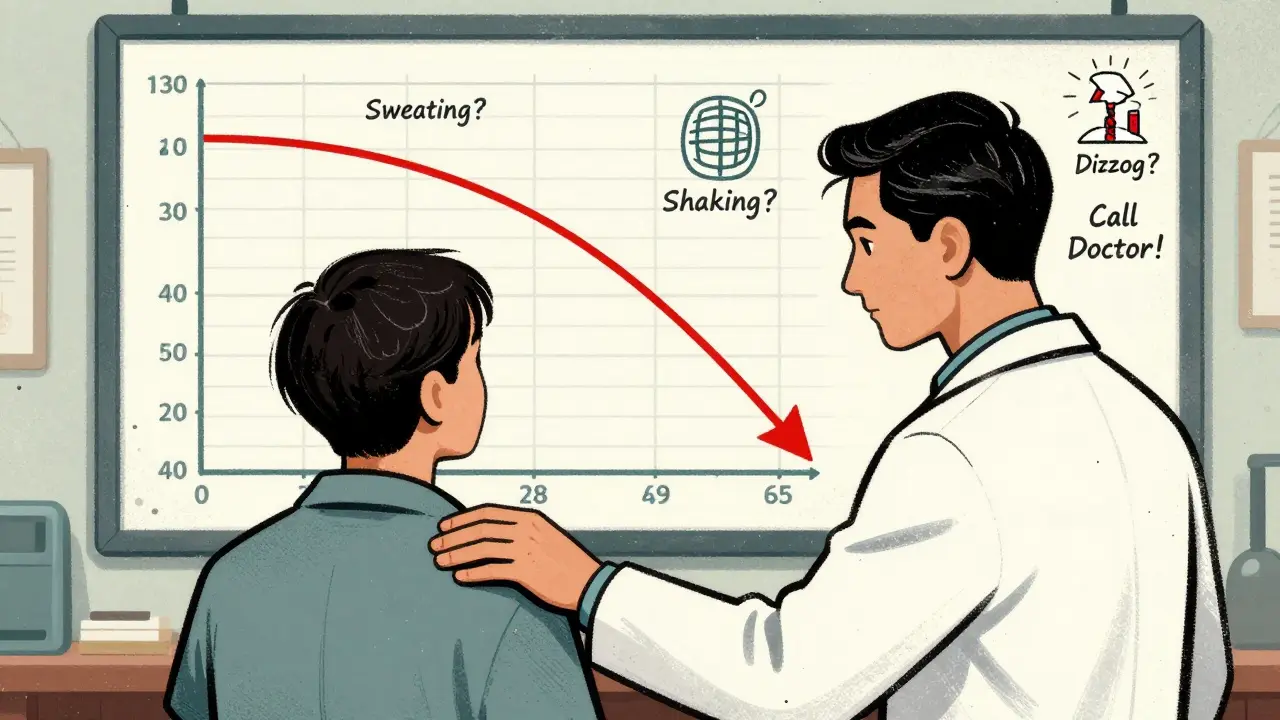
Let’s be honest: the research on ginseng and diabetes is limited. Most studies have fewer than 100 participants and last less than 12 weeks. The American Academy of Family Physicians (AAFP) in 2003 called its effect on blood sugar “modest” and noted “evidence limited.” That hasn’t changed much since.
Yes, ginseng shows promise. Yes, some people benefit. But there’s no long-term data on whether it prevents complications like nerve damage or kidney disease. And no regulatory body requires supplement manufacturers to prove safety or consistency. Two bottles labeled “American ginseng 500 mg” can have wildly different ginsenoside content.
The Review of Ginseng Anti-Diabetic Studies concludes: “Larger scale clinical trials are needed to completely illuminate the long-term benefits.” Until then, treat it like a drug-not a harmless tea.
What Should You Do?
If you’re thinking about trying ginseng:
- Talk to your doctor first. Bring the supplement bottle with you. Ask: “Is this safe with my current meds?”
- Start low. If approved, begin with 100-200 mg of a standardized extract (at least 4% ginsenosides). Avoid raw root unless you know the source.
- Wait and watch. Give it at least 2 weeks before deciding if it’s working. Track every blood sugar reading.
- Stop immediately if you feel off. Even mild dizziness or unusual fatigue could signal hypoglycemia.
And if you’re already taking ginseng? Don’t quit cold turkey. Talk to your provider. Your body may have adjusted to its effects. Stopping suddenly could cause rebound high blood sugar.
There’s no magic bullet in diabetes management. Ginseng might help-but only if you treat it with the same caution as your prescription meds.
Can I take ginseng with metformin?
Yes, but only under medical supervision. Ginseng and metformin both lower blood sugar. Together, they can increase the risk of hypoglycemia. Your doctor may need to lower your metformin dose. Always monitor your blood sugar closely when starting ginseng.
Is American ginseng better than Asian ginseng for diabetes?
Research suggests American ginseng has more consistent blood sugar-lowering effects, especially at doses of 1-3 grams daily. Asian ginseng can also help, but it’s more likely to cause side effects like increased blood pressure or insomnia. If you’re choosing between them, American ginseng is the safer bet for diabetes.
How long does it take for ginseng to lower blood sugar?
In clinical studies, effects were seen within 4 weeks, with the strongest results after 8-12 weeks of daily use. But individual responses vary. Some people notice changes in 1-2 weeks, especially if they’re sensitive to blood sugar-lowering agents. Don’t expect overnight results.
Can ginseng replace my diabetes medication?
No. Ginseng is not a replacement for prescribed diabetes medication. It may help as an add-on therapy, but it doesn’t have the same proven, long-term safety profile as metformin, insulin, or other standard treatments. Never stop your medication without consulting your doctor.
Are there any ginseng products I should avoid?
Avoid liquid extracts unless they’re labeled sugar-free and alcohol-free. Skip products that don’t specify the ginseng species (American vs. Asian). Also avoid blends with other herbs like bitter melon or fenugreek, which also lower blood sugar-this increases hypoglycemia risk. Stick to reputable brands that list ginsenoside content (ideally 4% or higher).
Ginseng’s not some magic herb-it’s a biochemical actor with a résumé. I’ve been taking 2g of American ginseng daily for 18 months while on metformin. My A1C dropped from 7.1 to 6.3. But here’s the kicker: I tested my glucose 6x a day for the first month. Found out I’d crash after 3pm if I didn’t snack. Now I pair it with a handful of almonds. Natural doesn’t mean harmless. It means you gotta be smarter than the supplement label.
Ohhhhh, so NOW we’re treating herbal medicine like pharmaceuticals?? Next you’ll tell me that turmeric is a COX-2 inhibitor, and garlic is a natural statin-wait, IT IS!! And the FDA doesn’t regulate any of it!! This is why Big Pharma is terrified of people reading studies!!
It is imperative to underscore that the pharmacokinetic interactions between ginsenosides and antidiabetic agents are not merely theoretical; they are empirically documented in peer-reviewed clinical trials. The concomitant administration of Panax quinquefolius with sulfonylureas has been associated with a statistically significant increase in hypoglycemic episodes (p < 0.05), as demonstrated in the 2020 meta-analysis referenced. To neglect this is to engage in medical negligence.
Let me clarify something: Siberian ginseng isn’t ginseng at all-it’s Eleutherococcus. It’s like calling a tomato a fruit and expecting it to taste like an apple. If you’re buying something labeled just ‘ginseng’ without the species? You’re gambling. I’ve seen people in Lagos buy these blends from street vendors who don’t even know the difference. Always check the Latin name. Always. Your pancreas will thank you.
I’ve been on metformin for 12 years. I tried ginseng for a month. Didn’t feel a thing. Then I stopped. Still didn’t feel a thing. Maybe it works for some. Maybe it’s placebo. Maybe it’s just another thing we overthink. I just eat right, walk daily, and check my numbers. Sometimes simple beats supplement stacks.
The ethical responsibility of the individual cannot be overstated. When one is managing a chronic condition such as type 2 diabetes, the integration of any adjunctive therapy must be undertaken with rigorous consultation with a qualified healthcare provider. The absence of standardized regulation in the herbal supplement industry necessitates heightened personal diligence. One must not assume safety based on natural origin.
This post is so alarmist. You’re acting like ginseng is a bomb. People have been using this for thousands of years. If your blood sugar crashes, maybe you’re overmedicated. Maybe your doctor’s dosing is outdated. Don’t blame the herb-blame the system that lets Big Pharma control the narrative. I’ve been on insulin for 8 years. I take ginseng. I’m fine. Stop scaring people.
I’m from Mexico City, and my abuela used ginseng tea for energy. I never knew it could interact with meds until I moved to the US and saw my endo’s face when I mentioned it. She told me to stop immediately. But here’s what she didn’t say: she also didn’t know which kind I was taking. So I bought a standardized extract, told her exactly what I was using, and we adjusted my metformin down by 250mg. Now I’m stable. Communication > fear.
I was skeptical too-until my glucose monitor started screaming at me one morning. 58 mg/dL. No food. No exercise. Just ginseng + metformin. I stopped the ginseng. Went back to 78. I didn’t quit ginseng forever-I just started tracking like a scientist. Now I take it on weekends only, and I log every reading. It’s not about banning it. It’s about mastering your body’s response. You got this.
I’ve been taking ginseng for 2 years with no issues. My doctor said it’s fine as long as I’m consistent. I take the same dose, same time, same brand. That’s the key. Don’t switch brands. Don’t change doses. Don’t panic. Just be steady.
Lmao this post is so basic. You think ginseng’s dangerous? Have you even read the original studies? Most of them were done on Chinese elders with 30 years of traditional use. Westerners are just too lazy to wait 8 weeks to see results. Just take your meds and shut up. Also, American ginseng? That’s just a marketing scam. Real ginseng is Asian.
Let’s be real-this whole thing is a cultural clash. In India, we mix ashwagandha, turmeric, and ginseng in chai every morning. No one’s dropping like flies. Meanwhile, folks in the US treat herbs like they’re rocket fuel. Maybe the problem isn’t ginseng… maybe it’s that we over-medicate and under-trust our bodies. I’ve seen diabetics on 4 meds who could be on 1 if they just moved more and ate real food. But hey, supplements sell.