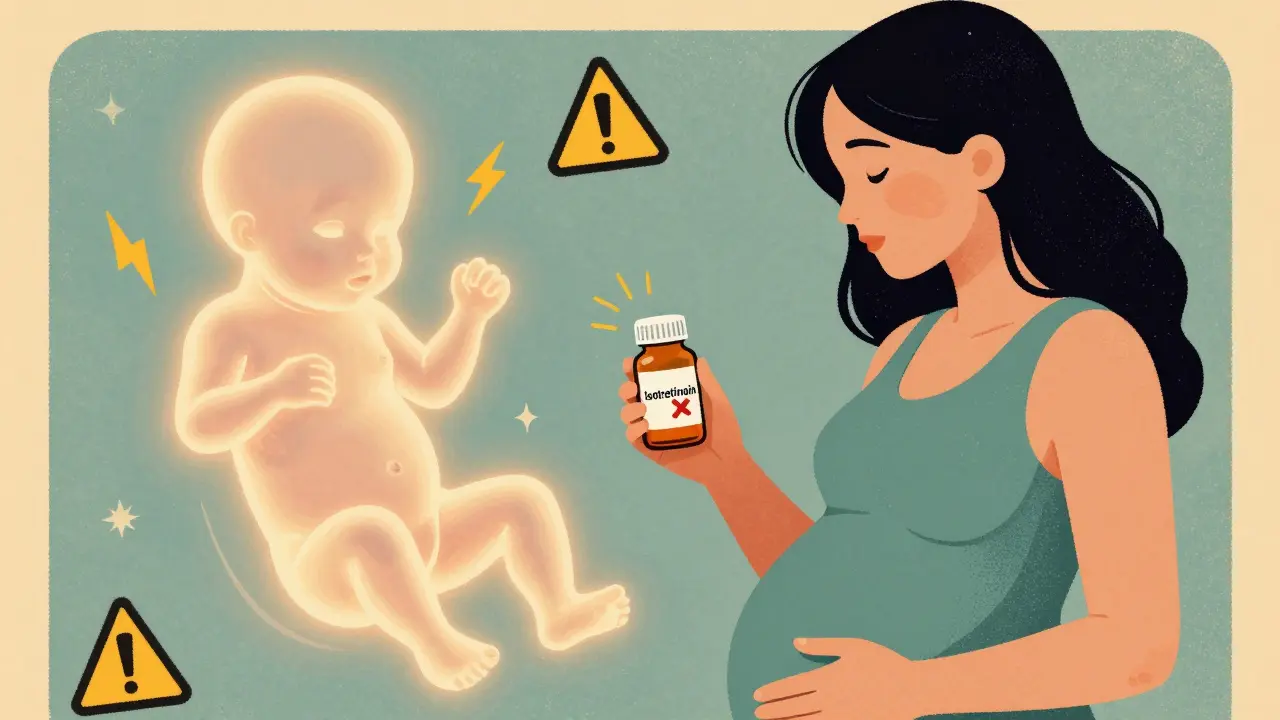
When you’re pregnant, every pill, drop, or supplement feels like a decision that could change your baby’s life. It’s not just about what you eat or how much you rest - it’s about what’s in your bloodstream, and whether it’s reaching your growing baby. The truth is, medications to avoid in pregnancy aren’t always obvious. Some are prescription, some are over-the-counter, and others are herbal remedies you picked up because they seemed harmless. But even small doses of certain drugs can cause serious birth defects, growth delays, or long-term health problems. This isn’t scare tactics. It’s science - backed by decades of research, real-world data, and clinical guidelines that have saved thousands of babies.
What Exactly Is a Teratogen?
A teratogen is any substance that can interfere with fetal development and cause physical or functional birth defects. The word comes from the Greek teras, meaning monster - and it’s not an exaggeration. The most infamous example is thalidomide, a drug given in the late 1950s for morning sickness. By the time it was pulled from shelves, around 10,000 babies worldwide had been born with missing or malformed limbs. That tragedy changed medicine forever.
Today, we know teratogens don’t just cause dramatic limb deformities. They can affect the heart, brain, kidneys, or facial structure. Some disrupt how organs form. Others mess with brain development, leading to learning or behavioral issues later in life. The timing matters more than you think. The most dangerous window is between weeks 3 and 8 of pregnancy - when your baby’s organs are forming. That’s often before you even know you’re pregnant. After week 9, the risks shift. Now it’s less about structure and more about growth, function, and long-term health.
Medications to Avoid in Pregnancy - The High-Risk List
Not all drugs are created equal when you’re expecting. Some are outright dangerous. Others have safer alternatives. Here’s what you need to know.
- Isotretinoin (Accutane) - Used for severe acne, this drug is one of the most dangerous in pregnancy. It can cause skull, heart, brain, and facial defects. Even one dose can be enough. The iPLEDGE program requires two negative pregnancy tests, monthly counseling, and two forms of birth control before prescribing. But in 2022, 67 pregnancies still occurred despite these rules. That’s how powerful this drug is.
- Warfarin (Coumadin) - A blood thinner used for clotting disorders. It crosses the placenta and can cause bleeding in the fetus, skull deformities, and developmental delays. It’s not just risky - it’s often avoidable.
- Thalidomide - Still used today for rare conditions like leprosy and multiple myeloma. It’s banned for pregnancy, but if you’re on it, you need strict contraception and regular pregnancy tests.
- Tetracyclines and Fluoroquinolones - Antibiotics like doxycycline and ciprofloxacin. They can stain developing teeth, weaken bones, and affect cartilage. Avoid them entirely during pregnancy.
- Sulfamethoxazole/Trimethoprim (Bactrim) - Commonly used for UTIs. It can cause neural tube defects early in pregnancy and kernicterus (a dangerous form of jaundice) after 32 weeks. It’s not a no-go forever - but timing matters.
- ACE inhibitors and ARBs - Blood pressure meds like lisinopril or losartan. They can cause kidney damage, low amniotic fluid, and even fetal death. If you’re on one and planning pregnancy, switch now.
- High-dose aspirin and NSAIDs (ibuprofen, naproxen) - These aren’t safe after 20 weeks. They can cause premature closure of a vital blood vessel in the baby’s heart and reduce amniotic fluid. Even occasional use can be risky later on.
What About Acetaminophen? Is It Really Safe?
Yes - and it’s the gold standard. If you need pain relief or fever control during pregnancy, acetaminophen (Tylenol) is the go-to. It’s been studied in over 100,000 pregnancies. No link to birth defects. No need to avoid it. The American Academy of Family Physicians, Mayo Clinic, and CDC all agree: it’s the safest choice. You don’t need to limit it to emergencies. If you have a headache, fever, or back pain, it’s fine to use as directed.
But don’t confuse it with combination products. Some cold and flu remedies contain acetaminophen plus other ingredients like pseudoephedrine or dextromethorphan. Those aren’t always safe. Always check the label or ask your pharmacist.
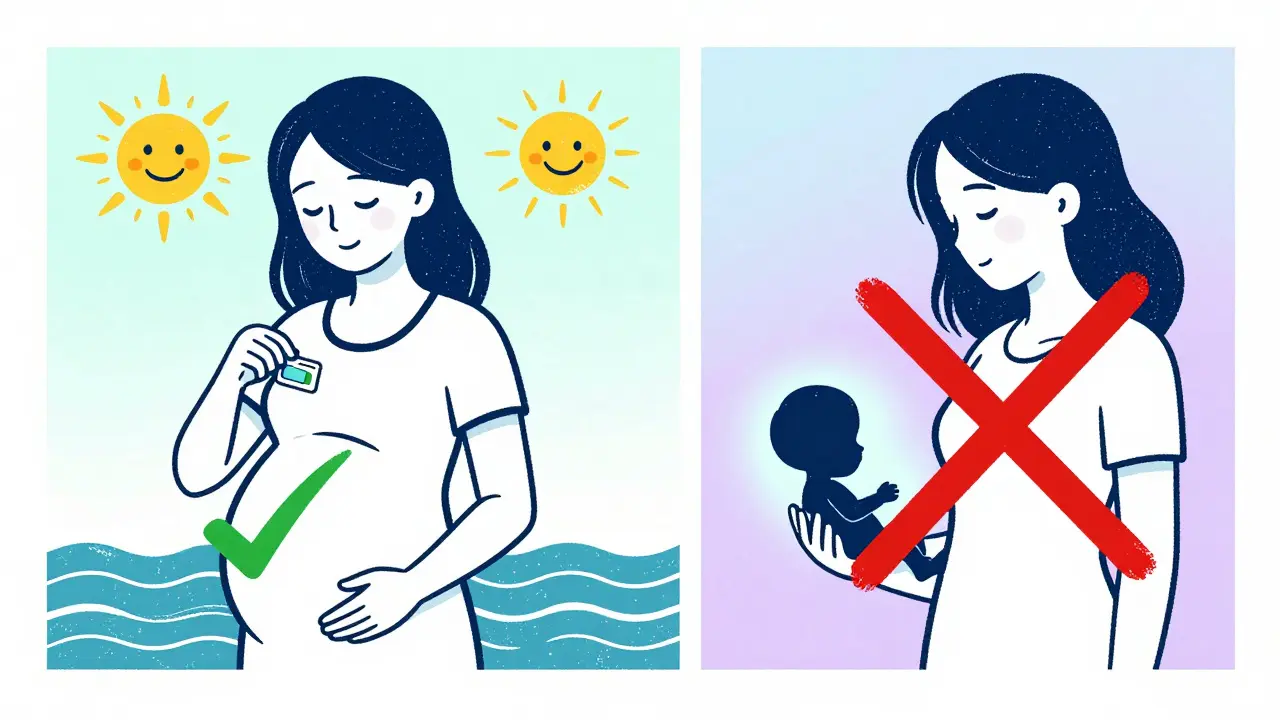
Safer Alternatives for Common Conditions
You don’t have to suffer because you’re pregnant. There are safer options for almost every common issue.
- Pain or fever: Acetaminophen - no exceptions.
- Allergies: Loratadine (Claritin) or cetirizine (Zyrtec). Avoid first-gen antihistamines like diphenhydramine (Benadryl) - they can cause drowsiness in both you and the baby.
- UTIs: Nitrofurantoin is generally safe before 36 weeks. Amoxicillin and cephalexin are also good choices. Avoid Bactrim after 32 weeks.
- Heartburn: Antacids like Tums or Maalox. Avoid bismuth subsalicylate (Pepto-Bismol) - it contains salicylates, which act like aspirin.
- Yeast infections: Clotrimazole cream or suppositories. Studies of over 18,000 pregnancies found no increased risk of birth defects. Avoid oral fluconazole - it’s linked to rare skull and heart defects.
- High blood pressure: Labetalol, nifedipine, or methyldopa. These are proven safe. Never stop your meds without talking to your doctor - uncontrolled hypertension is far more dangerous than the meds themselves.
- Depression or anxiety: SSRIs like sertraline or citalopram have the best safety profile. Untreated mental illness can lead to poor prenatal care, preterm birth, or low birth weight. The risk of continuing these meds is often lower than the risk of stopping them.
- Blood clots: Low-molecular-weight heparin (Lovenox) is the standard. It doesn’t cross the placenta. Warfarin does - so it’s off the table.
When Is It Too Late to Change Medications?
Some women find out they’re pregnant after already taking a risky drug. That’s terrifying - but not hopeless. The key is timing. If you took isotretinoin at week 4, you’re in the danger zone. But if you took ibuprofen at week 28, the risk is lower - though still present. The goal isn’t guilt. It’s action.
Don’t stop your meds cold turkey. If you’re on seizure meds, thyroid meds, or blood pressure drugs, suddenly quitting can be more dangerous than continuing. Seizures during pregnancy can cause oxygen loss to the baby. Uncontrolled hyperthyroidism can lead to miscarriage or preterm labor. The right approach? Talk to your OB and pharmacist. They can help you switch to a safer version, adjust the dose, or monitor your baby more closely.
A 2024 study in the New England Journal of Medicine showed something powerful: changing how you take prednisone reduced birth defect rates by 73%. Instead of taking it all at once, taking a modified-release version at bedtime cut major malformations from 6.8% to 1.8%. That’s not luck. That’s science.
How to Protect Yourself Before and During Pregnancy
Prevention is easier than damage control. Here’s what works:
- Review all meds 3-6 months before trying to conceive. This includes vitamins, supplements, herbal teas, and acne treatments. Your pharmacist can help.
- Use reliable birth control if you’re on a high-risk medication and not planning pregnancy. The iPLEDGE program for isotretinoin isn’t optional - it’s life-saving.
- Get prenatal care early. The average woman in the U.S. starts prenatal care at 8.2 weeks. But many teratogenic exposures happen before then. If you think you might be pregnant, stop risky meds immediately - even before a positive test.
- Use the BabyMed app. Launched in January 2024 by the Organization of Teratology Information Specialists, this app gives real-time risk assessments based on your gestational age. It’s 94.7% accurate compared to specialist consultations.
- Keep a list. Write down every pill, patch, cream, or supplement you take. Bring it to every appointment.
What About Herbal Remedies and Supplements?
Just because something is "natural" doesn’t mean it’s safe. Black cohosh, dong quai, and pennyroyal can cause uterine contractions. High-dose vitamin A (over 10,000 IU) is a known teratogen. Fish oil? Safe. But some brands contain mercury or PCBs. Stick to ones tested for purity. Always check with your provider before starting anything new.
What If You’ve Already Taken a Risky Drug?
You’re not alone. A 2023 study found that 72% of teratogenic exposures happened before women even knew they were pregnant. That’s because most women don’t start prenatal care until after 8 weeks - and many don’t realize they’re pregnant until then.
If you took a risky drug early on, don’t panic. Most babies exposed to teratogens are born healthy. The risk isn’t 100%. It’s a percentage - and it depends on the drug, the dose, and the timing. Talk to your OB or a teratology specialist. They can order targeted ultrasounds, genetic counseling, or other tests to check for issues. You’re not alone in this. Resources like the Organization of Teratology Information Specialists (OTIS) offer free, confidential advice.
Is it safe to take acetaminophen during pregnancy?
Yes, acetaminophen (Tylenol) is considered the safest pain reliever and fever reducer during pregnancy. It has been studied in over 100,000 pregnancies with no consistent link to birth defects. It’s recommended by the CDC, Mayo Clinic, and the American Academy of Family Physicians. Stick to the lowest effective dose and avoid combination products that include other ingredients like decongestants or antihistamines.
Can I take ibuprofen if I’m pregnant?
Avoid ibuprofen and other NSAIDs after 20 weeks of pregnancy. They can cause serious problems like premature closure of a blood vessel in the baby’s heart and low amniotic fluid. Before 20 weeks, occasional use is unlikely to cause harm, but acetaminophen is still the better choice. If you need pain relief, use acetaminophen unless your doctor advises otherwise.
What should I do if I took isotretinoin before I knew I was pregnant?
Contact your OB or a teratology specialist immediately. Isotretinoin is one of the most dangerous drugs in pregnancy and can cause severe birth defects. But not every exposure leads to harm - the risk depends on timing and dosage. You’ll likely be referred for detailed ultrasounds and genetic counseling. The iPLEDGE program requires reporting of all exposures, and specialists can help you understand your specific risk.
Are herbal supplements safe during pregnancy?
No - not without checking. Many herbal products, including black cohosh, dong quai, and high-dose vitamin A, can be harmful. "Natural" doesn’t mean safe. Some herbs can trigger contractions, affect hormone levels, or contain contaminants. Always talk to your provider before taking any supplement, even if it’s sold in a health food store.
Can I continue my antidepressants if I’m pregnant?
For many women, continuing antidepressants like sertraline or citalopram is safer than stopping them. Untreated depression increases risks like preterm birth, low birth weight, and poor prenatal care. The teratogenic risk of these SSRIs is low - around 1-2%. Talk to your OB and psychiatrist to weigh the risks of continuing versus stopping. Never stop abruptly - it can cause withdrawal symptoms or worsen your mental health.
Final Thoughts: Knowledge Is Your Best Protection
You don’t need to live in fear. You need to be informed. Most pregnant women take at least one medication - and most of them are safe. The real danger isn’t taking medicine. It’s taking the wrong one without knowing why. Whether you’re planning a pregnancy or already pregnant, the best thing you can do is talk to your provider. Bring your pill bottles. Ask questions. Use tools like the BabyMed app. Don’t assume something is safe because it’s OTC or natural. And don’t be afraid to speak up if something doesn’t feel right.
Every pregnancy is different. But one thing stays the same: when it comes to medication safety, the right question to ask isn’t "Can I take this?" It’s "What’s the safest way to manage this condition?" And with the right information, you can answer that - confidently.
I swear, if I see one more post telling me acetaminophen is 'safe'... I mean, have you seen the 2023 JAMA study on prenatal APAP and ADHD risk? It's not zero. They just don't talk about it because nobody wants to scare moms. But yeah, I took Tylenol for 3 weeks straight during my first trimester. Kid's fine. But I still feel guilty every time I see a kid with sensory issues. We're all just guessing here.
The part about isotretinoin is spot-on. I'm a pharmacist in rural Ohio and I've had 3 women come in after a positive pregnancy test, panicked because they took one pill. One was 12 days post-conception. We got them into a teratology consult within 48 hours. No defects. But the fear? Real. Always bring your pill bottles. Always. Even if you think it's 'just a vitamin.'
The real issue isn't the drugs... it's the systemic abandonment of preconception care. We live in a society that glorifies 'surprise pregnancies' while simultaneously demonizing medication use. The irony? Women who take Accutane are monitored like spies. Women who take SSRIs? 'Oh, just stop it.' The system doesn't care about outcomes. It cares about liability. And the mother? She's just collateral.
You got this. Seriously. You're not a bad mom for needing meds. Acetaminophen? Go ahead. Labetalol? Totally fine. You're doing the right thing by asking. That's how good moms are made - not by perfection, but by showing up. You're already winning.
I cried reading this. My wife was on sertraline. We were terrified. We talked to 5 doctors. We cried in the OB's office. And then... our daughter was born at 39 weeks, 7 lbs, 12 oz. She's 4 now. Loves dinosaurs. Hates carrots. And she's the most joyful kid I know. The meds didn't break her. The fear almost did. Don't let fear win.
Did you know the CDC got funding from Big Pharma to downplay acetaminophen risks? The iPLEDGE program? A distraction. They want you scared of Accutane so you don't ask why your prenatal vitamins have 800 IU of vitamin A - which is 200% of the teratogenic threshold. They're gaslighting you. Wake up.
In Nigeria, we don't have access to most of these drugs. My cousin took neem leaf tea for nausea. Kid's fine. We don't have OBs with apps. We have grandmas with herbal knowledge. Maybe the real lesson isn't 'what to avoid' - but 'who gets to decide what's safe?'
Oh honey. You're reading a 5000-word essay on teratogens... and you're still worried you'll hurt your baby? Sweetie. You're not a walking chemical reactor. You're a human. And humans evolved to survive. Stop Googling. Go outside. Breathe. You're doing better than you think.
Stop overthinking. If you're on blood pressure meds and pregnant, you're already at higher risk than taking the pill. Stop being a hero. Take your meds. Your baby needs you alive. End of story.
I took ibuprofen at 28 weeks because I had a migraine. My OB screamed at me. Kid's 6 now. Perfect. So yeah. Science? Maybe. But real life? Sometimes the risk is zero. Also, why does everyone assume I'm dumb because I'm pregnant?
The pharmacokinetic profile of LMWH versus warfarin is unequivocal in its placental barrier efficacy. Furthermore, the teratogenic potential of fluoroquinolones is mediated via topoisomerase II inhibition in chondrocytes. Clinical guidelines are evidence-based. Adherence improves perinatal outcomes. QED.
i took tylenol for 3 weeks straight during my first trimester and my kid is fine but i still have nightmares about the time i had a cold and took a decongestant and now i wonder if my dog's anxiety is from me i think i ruined her life